 China International Pet Show
The 2nd Aquatic Industry Convention Day 3 Review | Special Species & Innovations: Deep Dives into Profitable or lconic Species, Plus New Technologies
From November 13 to 15, the 2nd Aquatic Industry Convention was held under the theme "Potential Through Hard Times: Reform, Innovation, and Aquatic Development Under Globalization and Regionalization." Aimed at exploring the industry's future with a forward-looking perspective, the conference focused on reform breakthroughs, technological innovation, and sustainable development, setting a benchmark for the global aquatic industry.
On November 15, the conference entered its third day, continuing the core theme of "Potential Through Hard Times." The day’s key agenda was themed "Characteristic Species and Innovative Practices: In-depth Analysis of High-Value, Iconic Species Combined with New Technology Exploration—Focusing on Innovation Empowerment and Fish Health Assurance."
From the establishment of technical systems for high-quality koi breeding and the technological revolution in coral conservation and propagation, to the transformation of aquatic trade by artificial intelligence (AI) and sustainable trade practices for new species introduction, the technological innovation and ecological development pathways of the aquatic industry are being dissected from multiple dimensions.
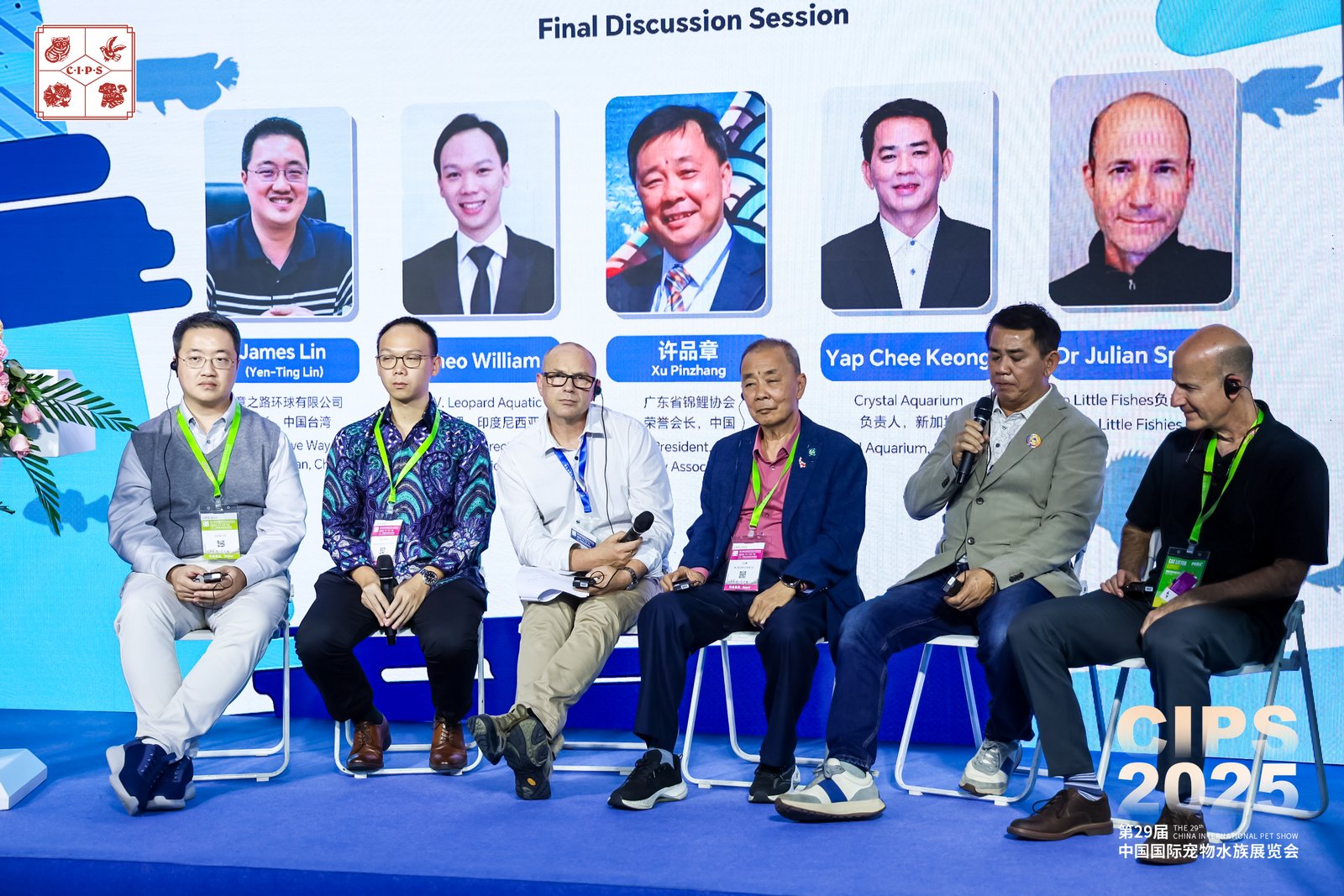
uJames Lin, exploring the empowerment of aquatic trade through artificial intelligence
uTheo William, Managing Director of Leopard Aquatic Indonesia, providing insights into the sustainable trade of new species
uXu Pinzhang, Honorary President of the Guangdong Koi Association, a seasoned researcher specializing in high-quality koi breeding
uYap Chee Keong, Principal of Crystal Aquarium, analyzing the development trends of the arowana industry
uDr. Julian Sprung, Principal of Two Little Fishes, focusing on coral conservation and propagation technologies
Industry experts and enterprise representatives demonstrated the diversified innovative development directions of the aquatic industry from multiple perspectives, including technological R&D, ecological conservation, industrial upgrading, and trade sustainability.
James Lin (Yen-Ting Lin)
Application of A.l. in the Aquarium Trade
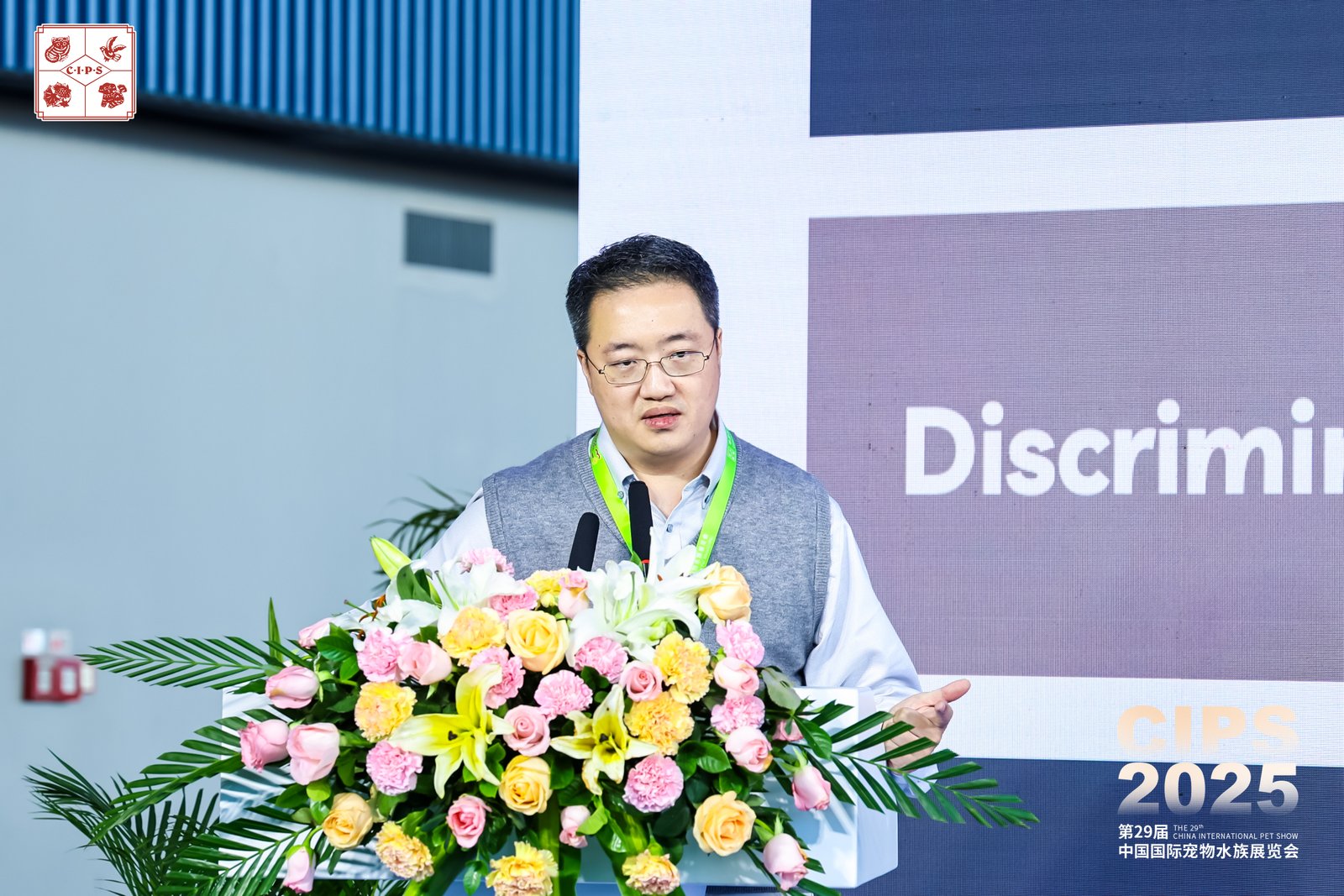
AI technology is evolving from an auxiliary tool to a core decision-making driver, enabling precise operations through data-driven approaches and becoming a watershed for the future competitiveness of aquatic trade enterprises. Mr. James Lin, Chairman of Creative Path Global Limited, shared the innovative applications of AI technology in aquatic trade. Drawing on 15 years of industry experience, the company has developed an AI business system specifically tailored for the ornamental fish trade. The conference presentation detailed three key AI technology applications in this field: Generative AI generates new samples by learning data distributions; Discriminative AI performs classification and decision-making by identifying data boundaries; Hybrid AI combines the advantages of both, simulating market scenarios and identifying optimal decisions.
In practical applications, the AI system has achieved four core functions: calibrating species scientific names and commodity information through data comparison; automatically counting quantities, identifying species, and measuring body sizes using image recognition technology; conducting data analysis through anomaly detection and pattern recognition; and ultimately providing strategic recommendations for supply chain strategies, precision marketing, and product portfolios. Taking the "Betta Procurement System" as an example, Mr. James demonstrated a complete workflow: Generative AI creates betta descriptions, which are combined with Discriminative AI to analyze inventory holding periods, enabling precise marketing recommendations.
Theo William
New Species for the Ornamental Fish Trade, A Case Study on Best Practise and Marketing of Geosesarma Crabs
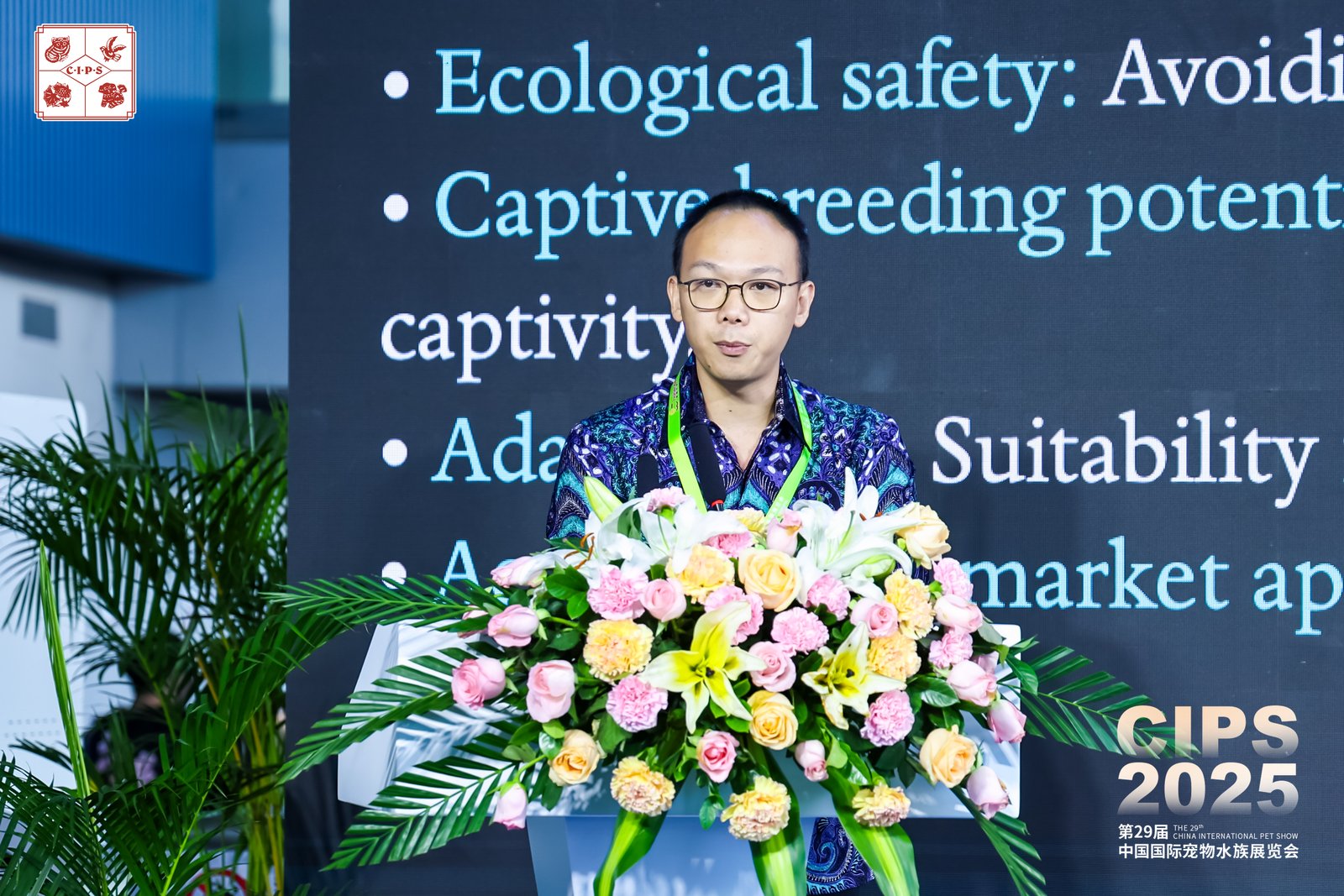
The commercial success of new species depends not only on market appeal but also on the ability to establish a comprehensive sustainable system encompassing education, breeding, and ecological conservation. The future of the industry lies not in how many species we sell, but in how many species we can support.
Mr. Theo William, Managing Director of Leopard Aquatic Indonesia, shared sustainable practices for introducing new species to the market, using vampire crabs as a case study. He noted that the global ornamental fish trade covers over 2,000 species with an annual trade volume of approximately USD 350–400 million. Against this backdrop, the successful introduction of new species must strike a balance between ecological security and market demand. Mr. Theo proposed four key criteria for the trade of new species:
uEcological Safety: Avoiding invasive risks and respecting IUCN status
uCaptive Breeding Potential: Prioritizing species that are easy to breed in artificial environments
uEnvironmental Adaptability: Possessing strong vitality and compatibility with captive care
uMarket Appeal: Featuring unique visual characteristics and consumer interest
Taking vampire crabs as an example, this species has become a hotspot in emerging markets due to its small size, vibrant colors, complete lifecycle in pure freshwater environments, and extremely low breeding system setup costs (under USD 50). Mr. Theo emphasized that successfully introducing new species requires establishing a robust support system, including regulatory compliance, captive care education, and close collaboration with local institutions such as the Indonesian Freshwater Fish Foundation and Prigen Conservation Breeding Center. His company plans to release at least 10% of artificially bred individuals from Indonesia’s endemic populations back into the wild by 2026, contributing to the restoration of species populations in their natural habitats and promoting truly sustainable trade.
Source: UN Comtrade Database
Xu Pinzhang
The Artificial Breeding of Koi
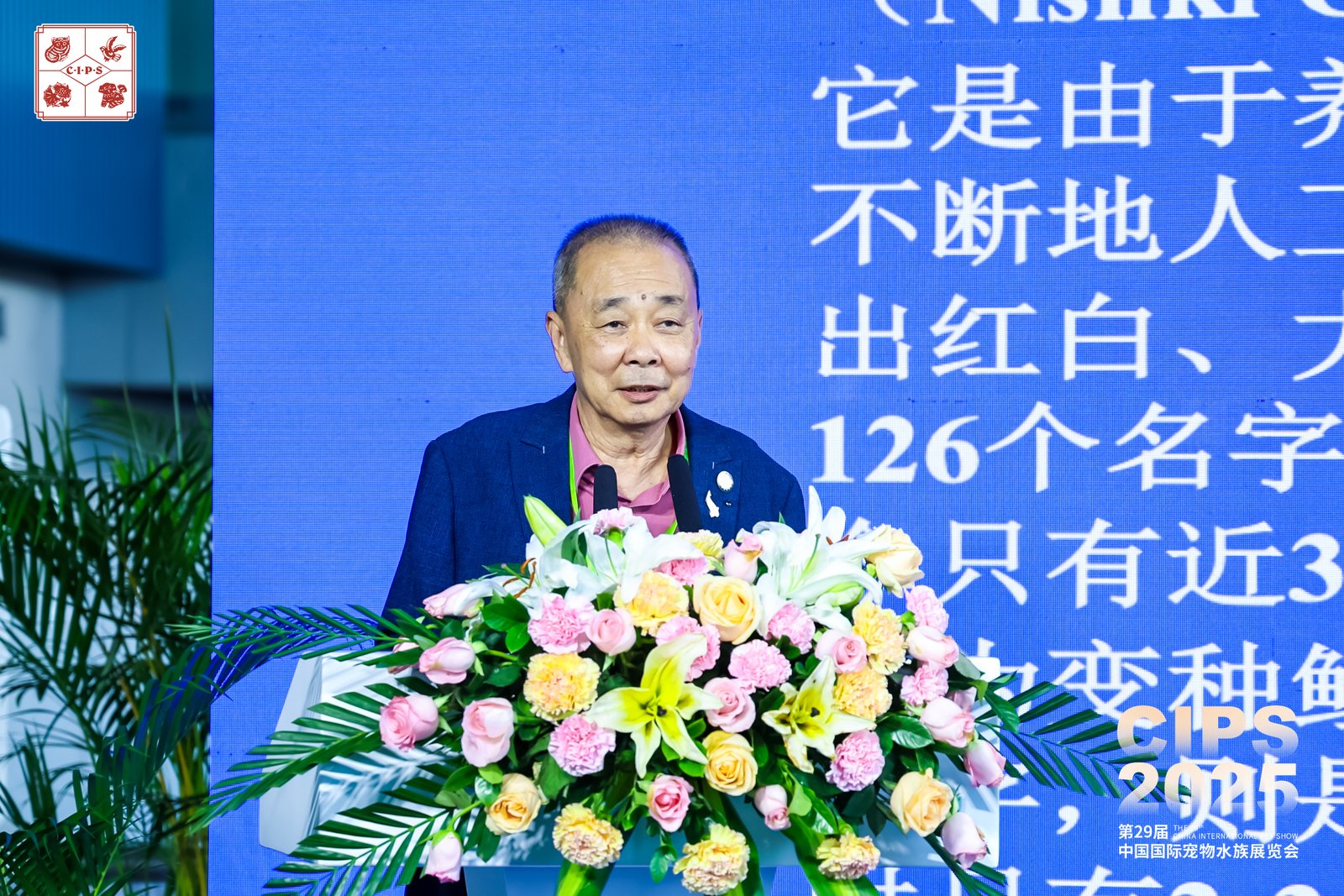
The quality improvement of high-quality koi breeding can be achieved through two core pathways—bloodline management and graded selection—by establishing quantitative appreciation standards, addressing key industry challenges, and facilitating the sector’s integration with international practices. Mr. Xu Pinzhang, Honorary President of the Guangdong Koi Association, systematically elaborated on professional solutions for high-quality koi breeding during his presentation.
Facing the core challenge of "generally low-quality output" in China’s koi industry, he emphasized the need to build a comprehensive technical system covering broodstock sourcing, selective breeding, and quality appraisal. This system implements quality upgrading through two pathways:
Pathway 1: Strengthened Bloodline Management
Establish a breeding foundation based on high-quality broodstock with pure bloodlines and distinct breed characteristics. Five key criteria for broodstock selection are defined—pure lineage, prominent breed traits, excellent color quality, graceful body shape, and robust health—ensuring offspring quality at the genetic level.
Pathway 2: Implemented Graded Selection
Develop a scientific three-stage screening mechanism and tailored breeding plans for major varieties such as Kohaku, Taisho Sanshoku, and Showa Sanshoku. Precise selection is completed during the critical window of 35 to 60 days post-hatching, significantly improving the efficiency of identifying high-quality individuals.
Mr. Xu specifically highlighted three pressing industry challenges: a shortage of high-quality broodstock, lack of systematic breeding practices, and insufficient professional talent. To address these, he proposed organizing regular premium variety exhibitions and professional competitions to build industry exchange platforms and promote the advancement of breeding technologies.
In terms of quality assessment, a 100-point evaluation system has been established, quantifying appreciation standards into core indicators: body shape (40 points), color quality (25 points), and pattern (25 points). Top-tier koi are required to possess well-defined "clean edges" between colors, rich and lustrous coloration, and evenly distributed personalized patterns.
By constructing a complete technical closed loop of "bloodline management + graded selection + standardized appraisal," this system provides a actionable solution to elevate the grade of China’s koi industry and narrow the gap with internationally advanced levels.
Yap Chee Keong
Arowana's Future
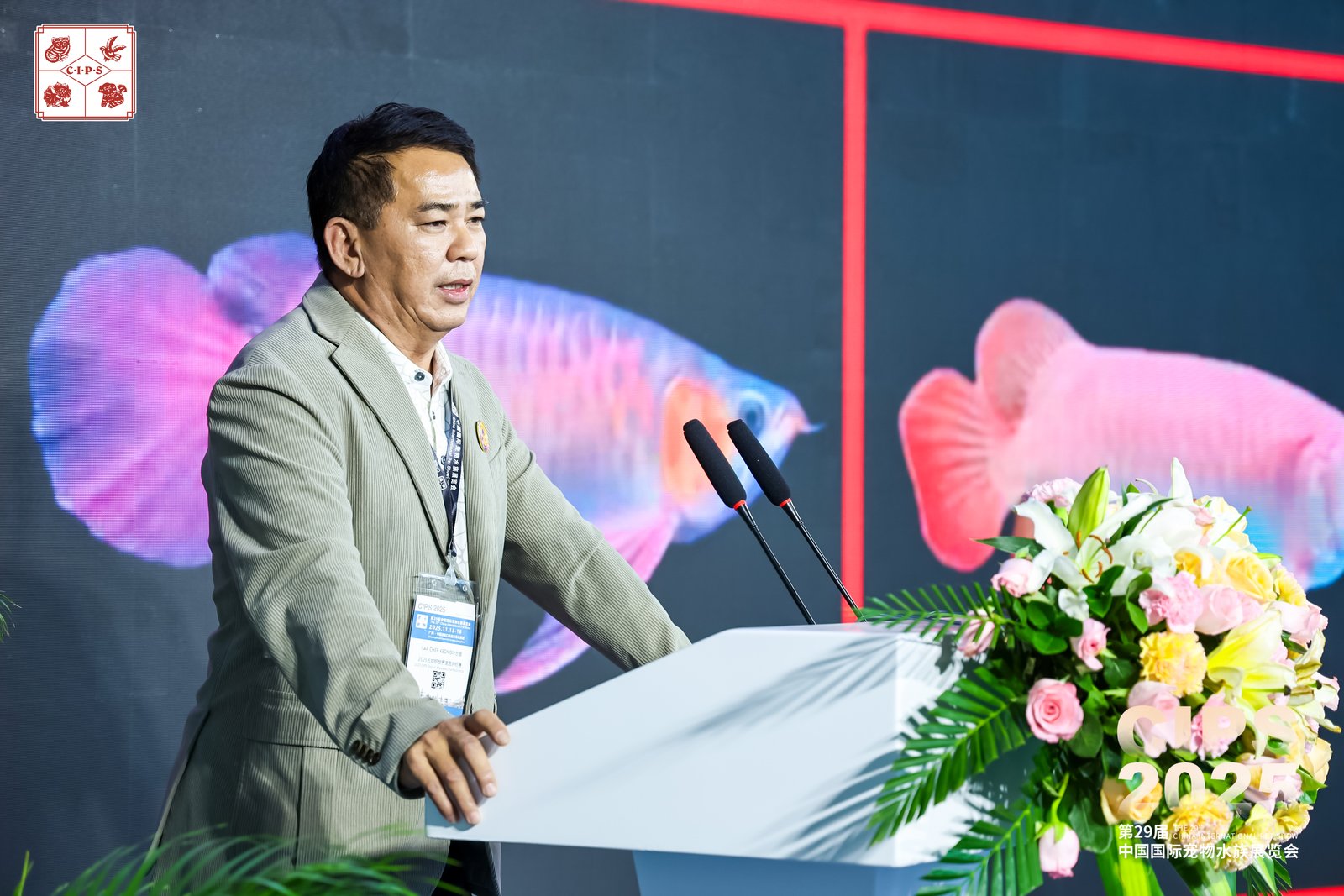
Mr. Yap Chee Keong, Principal of Crystal Aquarium in Singapore, shared the quality evaluation system and sustainable breeding practices for high-end ornamental fish, using competition-grade arowanas as a case study. He noted that the global high-end arowana trade focuses on breed purity and quality grading, with core consumer markets seeing a sustained surge in demand for pedigree certification and competition-level performance. Against this backdrop, the value proposition of high-quality arowanas must achieve a balance between breed purity and health stability.
The standardization of arowana scoring criteria has not only established a unified evaluation framework for the quality grading of high-end arowanas but also guided practitioners to focus on compliant breeding and care. It provides purchasing references for consumers and facilitates the orderly development of the global high-end arowana trade.
Dr Julian Sprung
Coral Conservation and Spawning Moves from the Sea to Land Based Farms. Aquarium Hobby and Industry Innovations Lead the Way to Protecting Endangered Corals
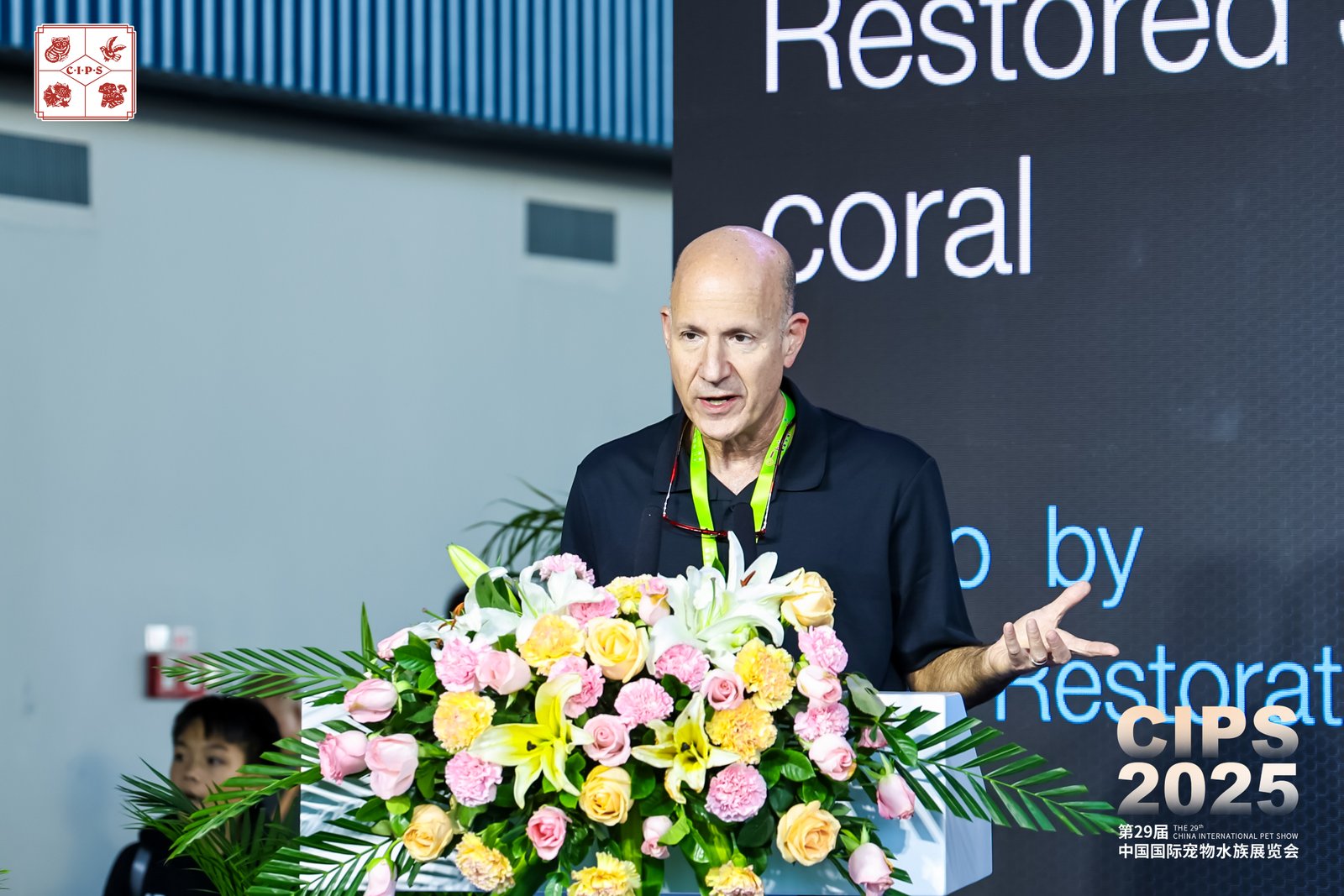
Aquarium keeping has emerged as a crucial driver of coral conservation. With successive breakthroughs in technologies such as fragmentation and artificial induced spawning, coral restoration projects have been launched worldwide, transitioning coral propagation techniques from laboratory research to widespread practical application.
Dr. Julian Sprung, Principal of Two Little Fishes, systematically elaborated on the technological advancements in coral conservation and captive breeding at the conference. He emphasized that aquarium hobbies and industry innovation are becoming pivotal forces for protecting endangered corals. For a long time, the academic community widely believed that corals could not survive or be cultivated in artificial environments, but the practical achievements of aquarium enthusiasts worldwide have completely reshaped this perception.
The core breakthrough in coral farming technology began with the popularization of "fragmentation"—a technique similar to horticultural pruning. This method spurred the development of the ornamental coral farming industry and led to the evolution of specialized techniques such as micro-fragmentation to accelerate production. Ken Nedimyer, founder of the Coral Restoration Foundation (now leading Reef Renewal), successfully applied this technology to offshore coral nurseries, enabling large-scale coral propagation.
A truly revolutionary advancement came from Dr. Jamie Craggs at the Horniman Museum in the UK. Utilizing LED lighting and computer control systems developed by the aquarium industry, he precisely regulated photoperiods, lunar phases, and temperatures to achieve predictable induced spawning of corals in artificial environments for the first time—even enabling multiple spawning events per year. This milestone means coral larvae can be produced on demand anywhere in the world, eliminating reliance on nighttime wild collection. More importantly, it laid the foundation for the popularization of coral propagation technology: today, practitioners like Richard Ross are demonstrating how this technical system can be applied in home settings. Building on these innovations, numerous large-scale global projects are driving coral restoration:
uThe KAUST Coral Restoration Initiative is developing the world’s largest coral restoration project in the Saudi Red Sea, aiming to transplant 2 million corals by 2030. Its land-based nursery spans five football fields with a designed annual output of 400,000 corals, while its marine nursery near Shusha Island has an annual capacity of 100,000 corals.
uLed by Keri O'Neil, The Florida Aquarium achieved the world’s first successful induced spawning of endangered pillar coral (Dendrogyra cylindrus) in a laboratory setting and has successfully bred 14 local coral species. Its Coral Conservation & Research Center has also cultivated various corals including Mussa angulosa.
uSECORE International developed the Coral Restoration In-Situ Breeding (CRIB) system, enabling coral larval rearing and settlement without the need for land-based facilities.
uFounded by Vincent Chalias, Ocean Gardener transitioned from an ornamental coral farm to a coral restoration organization. Its five-year restoration results demonstrate the feasibility of restoring multiple Acropora species from fragments to thriving colonies.
uThe Florida Coral Rescue Center, a collaborative project involving SeaWorld, Disney, and other institutions, counts Justin Zimmerman as a key participant, responsible for coral egg collection and artificial insemination.
Despite challenges such as coral bleaching and disease, researchers are developing more resilient coral strains through cross-regional hybridization. As technologies mature, coral propagation has expanded beyond specialized laboratories to broader applications. This technology revolution, sparked by aquarium hobbies, proves that coral farming is not merely a pastime but an innovation and technology incubator benefiting multiple sectors—offering new hope for the conservation of global coral reef ecosystems.
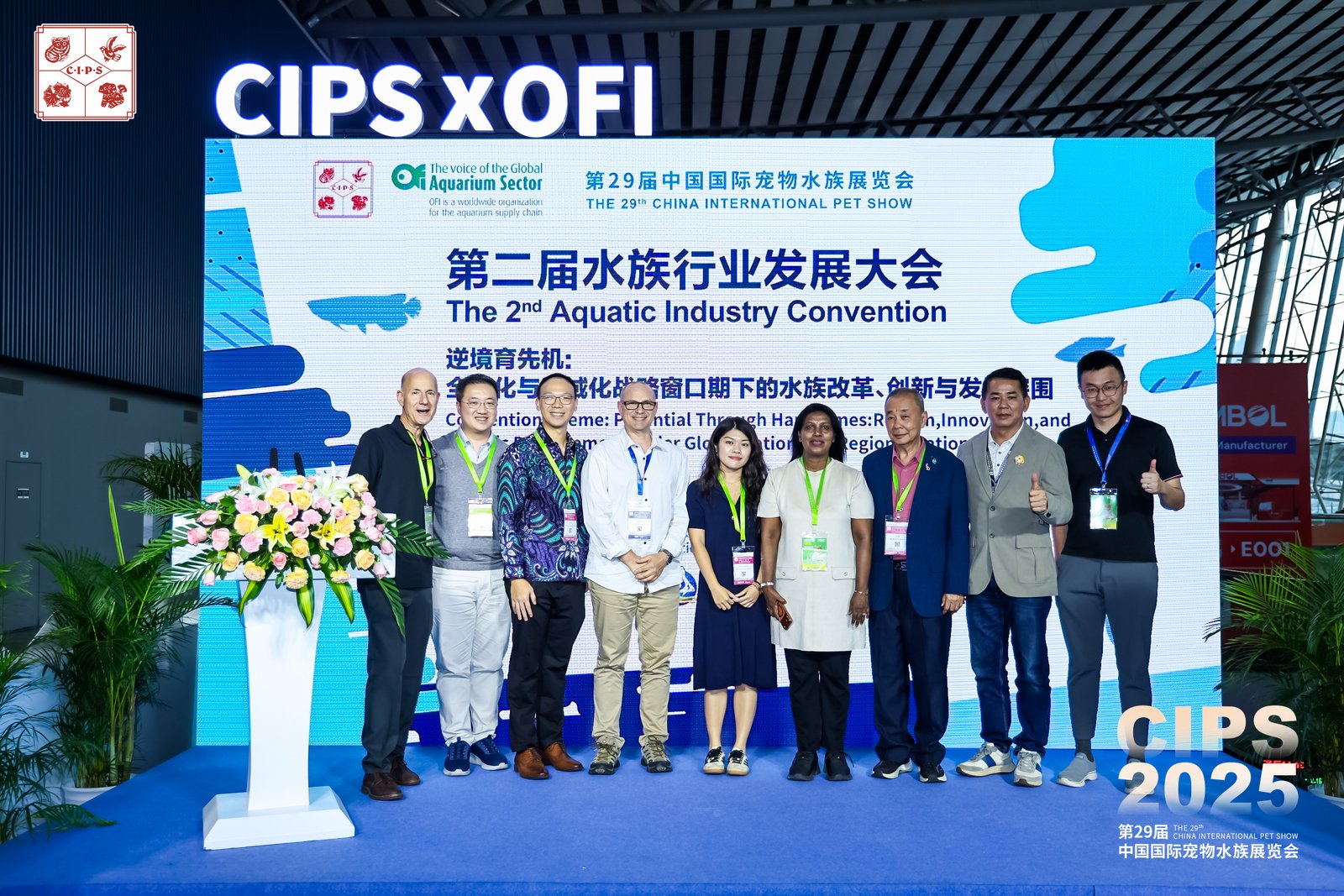
Consensus Forged, Path Forward Clear
Session 1: Global Shifts and Market Restructuring
Detailed Review The 2nd Aquatic Industry Convention Day 1 Review | Global Data & Traditional Markets: Analysis of Established Markets
The analysis of mature markets—covering North American tariff impacts, European compliance frameworks, and Japan’s value systems—explored how to transform market challenges into resilient strategies amid drastic geopolitical and trade policy changes. Experts noted that globalization is not retreating but restructuring: enterprises must shift from reactive responses to proactive planning, building anti-fragile capabilities amid volatility through regional diversification, proactive compliance, and in-depth value cultivation.
Session 2: Rapid Growth of Emerging Markets and Reform Explorations in a New Environment
Detailed Review The 2nd Aquatic Industry Convention Day 2-1 Review | Which Emerging Regions Hold the Keys to International Market Growth?
The global aquatic industry is evolving toward a more multi-dimensional competitive landscape. On the demand side, there is a trend toward younger and more diversified consumers; on the supply side, a balance is being sought between professionalization and sustainability; and on the technological side, intelligence is reshaping industry standards. In an era of coexisting growth and challenges, all stakeholders across the industrial chain are jointly driving the global aquatic industry toward a more mature and open future.
Session 3: New Conditions & Reforms: Examination of political shifts, Environmental Legislation, and Sustainable Business Models
Detailed Review The 2nd Aquatic Industry Convention Day 2-2 Review | What is the reform path in the new environment
The global aquatic industry is evolving toward a more multi-dimensional competitive landscape. On the demand side, there is a trend toward younger and more diversified consumers; on the supply side, a balance is being sought between professionalization and sustainability; and on the technological side, intelligence is reshaping industry standards. In an era of coexisting growth and challenges, all stakeholders across the industrial chain are jointly driving the global aquatic industry toward a more mature and open future.
Session 4: Technological Innovation and Ecological Symbiosis: Focus on Koi
The conference centered on the professional system for high-quality koi breeding, technological breakthroughs in coral conservation and propagation, AI-enabled aquatic trade, and sustainable trade practices for new species. It focused on exploring how to drive industrial upgrading through technological innovation and safeguard ecological balance amid development.
The 2nd Global Aquatic Industry Development Conference (CIPS 2025) has concluded successfully.
This marks a brand-new starting point of "Seizing Opportunities Amid Adversity and Forging New Paths Through Breakthroughs"—and more importantly, a fresh milestone for the industry to unite forces and embark on a collective journey. We look forward to witnessing more vivid practices of synergy between globalization and regionalization, as well as parallel advancement of reform and innovation at our next gathering. We also anticipate that aquatic industry peers worldwide will join hands to forge a more resilient and compassionate path toward sustainable development.
Copyright © 2008-2026 | China Great Wall International Exhibition Co., Ltd.