 China International Pet Show
The 2nd Aquatic Industry Convention Day 2-1 Review | Which Emerging Regions Hold the Keys to International Market Growth?
From November 13 to 15, the 2nd Aquatic Industry Convention was held under the theme " Potential Through Hard Times: Reform, Innovation, and Aquatic Development Under Globalization and Regionalization." Aimed at exploring the industry's future with a forward-looking perspective, the conference focused on reform breakthroughs, technological innovation, and sustainable development, setting a benchmark for the global aquatic industry.
On November 14, the conference entered its second day, continuing the core theme of "Potential Through Hard Times." Authoritative experts from home and abroad gathered to discuss " Emerging Markets: Focus on Rapidly Growing Regions."
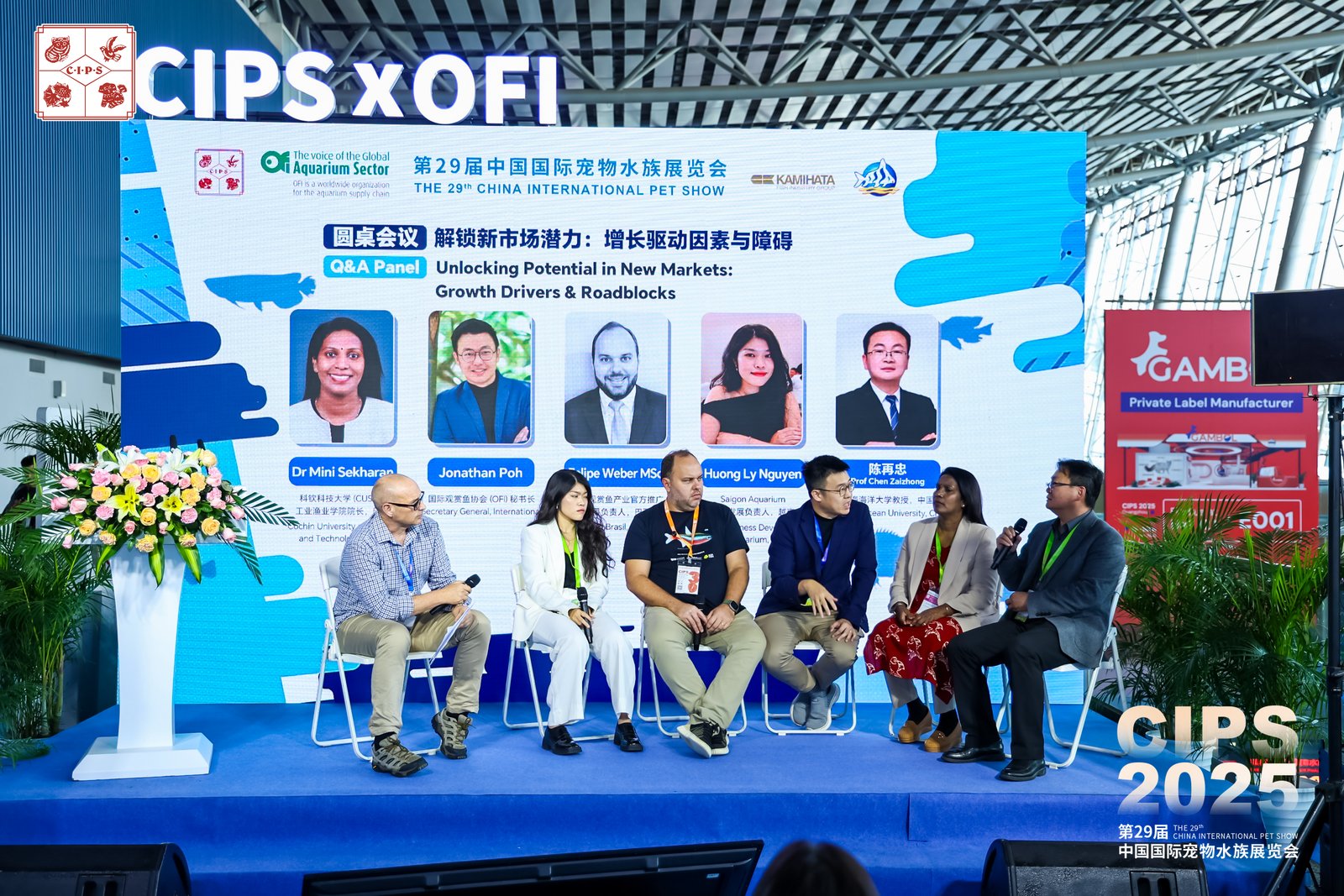
During the morning session of the second day: From the breeding dilemmas of native species in India, to the innovative layout of aquatic trade in Southeast Asia, the standardized development of Brazil's industry, the global integration of Vietnam's market, and the intelligent upgrading of China's aquatic sector, the opportunities and challenges of emerging markets were comprehensively analyzed by:
uDr. Mini Sekharan, a leading researcher specializing in India's ornamental fish market
uJonathan Poh, Secretary General of OFI who steers the development direction of Southeast Asia's aquatic industry
uFelipe Weber, Technical Consultant at ABLA with insights into Brazil's new aquatic industry landscape
uMs. Huong Ly Nguyen, Director of Business Development at Saigon Aquarium, who shared Vietnam's aquatic industry transformation journey
uProfessor Chen Zaizhong from Shanghai Ocean University, an interpreter of China's aquatic market trends
Experts from multiple sectors presented the development context of different emerging markets from perspectives including regional characteristics, industrial models, and technological innovation.
Dr. Mini Sekharan
Swimming Ahead - Market Trends in Indian Ornamental Fish Industry
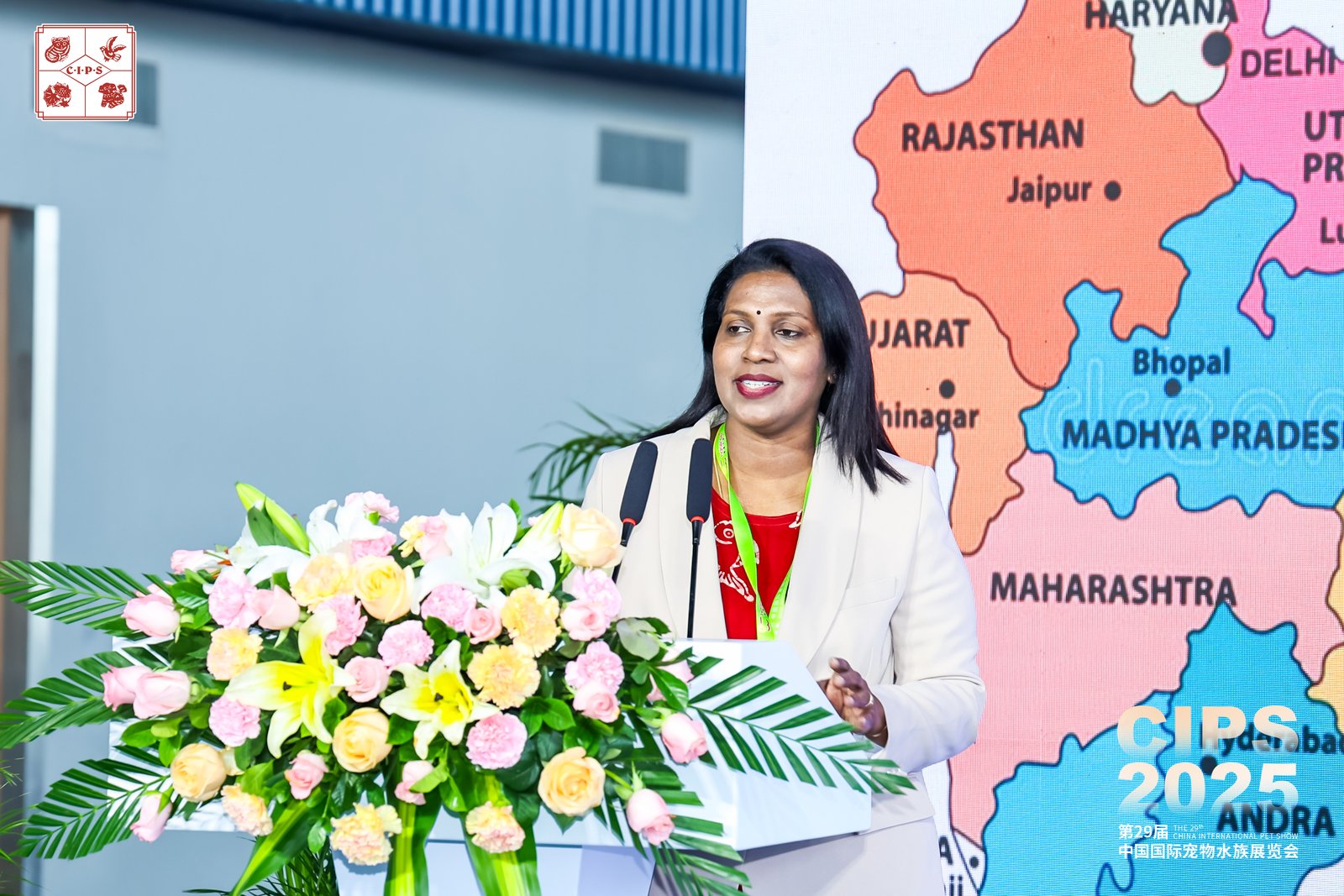
India's market boasts immense growth potential, presenting significant opportunities for global industry players. Dr. Mini Sekharan, Director of the College of Industrial Fisheries at Cochin University of Science and Technology, analyzed India's ornamental fish industry at the conference. She pointed out that India boasts rich aquatic biodiversity, with over 350 native species holding commercial value. However, the domestic market (accounting for 99%) is dominated by imported international varieties, while the export market (representing 99%) relies on native species.
Data indicates that the scale of India's aquatic industry is projected to grow from approximately USD 160 million in 2024 to around USD 288 million by 2030. Driven by domestic demand, imports have surged from INR 60 million (equivalent to approximately USD 6 million) in 2014 to INR 1.65 billion (about USD 165 million) in 2025. The industry is highly concentrated in West Bengal, Tamil Nadu, Kerala, Karnataka, and Maharashtra. Nevertheless, domestic production fails to meet the enormous domestic demand, resulting in a high dependence on imports: ornamental fish are mainly sourced from Malaysia, Thailand, Singapore, Sri Lanka, and Indonesia, while equipment and accessories are predominantly imported from China.
Despite government support through the "PM Matsya Sampada Yojana" scheme, exports still face multiple challenges: high air freight costs, small production scales with no export surplus, restrictions on the export of wild native fish, outdated management strategies for marine ornamental fish, and the lack of popularization of large-scale breeding technologies for native species.
Jonathan Poh
A Comprehensive Overview of Recent Key Developments, Innovations, Regulations, and Challenges in the Aquarium Fish Industry Across South East Asian Countries
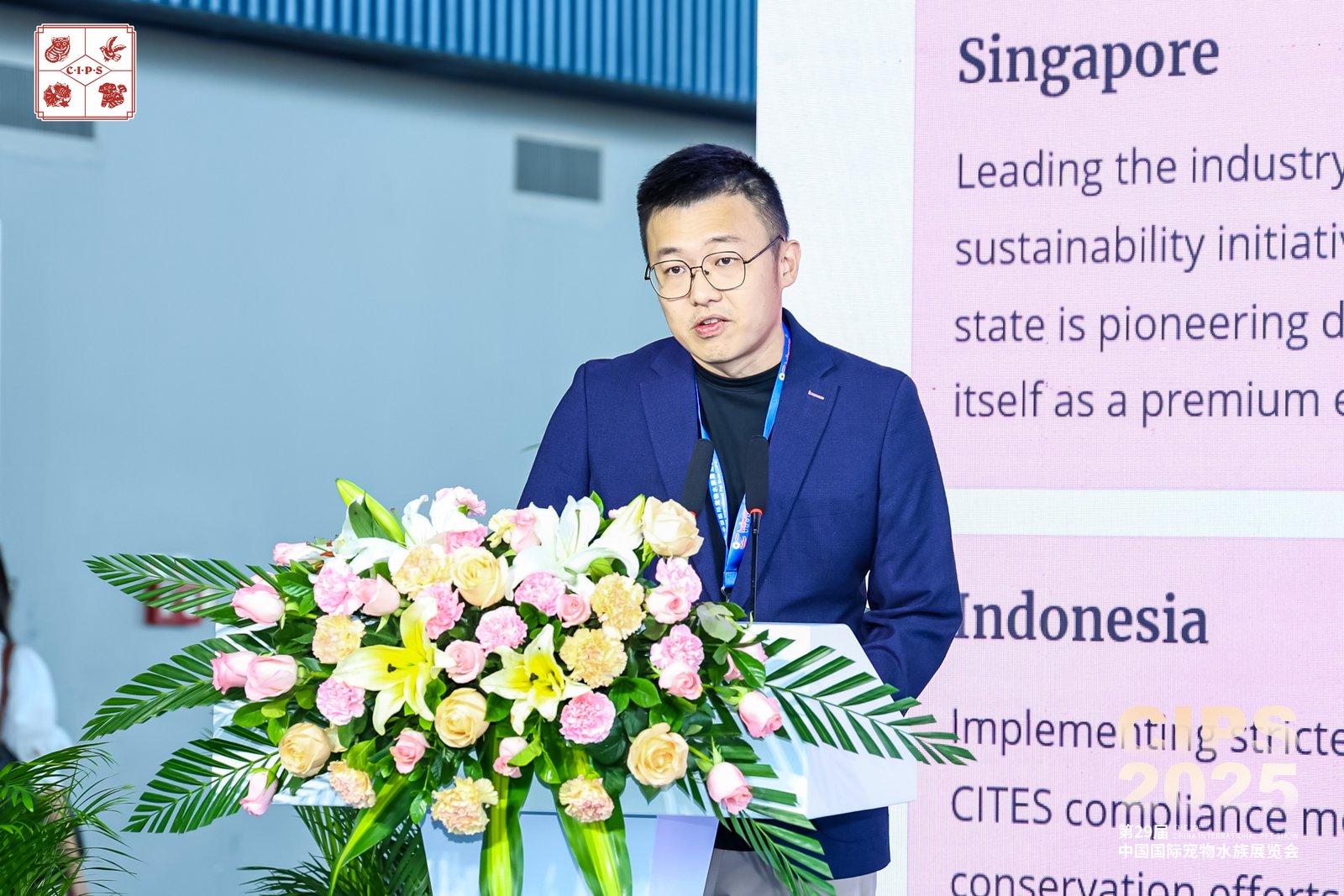
Leveraging its advantages in tropical climate, abundant water resources, and decades of professional breeding experience, Southeast Asia has developed into a global core hub of the ornamental fish industry, contributing 43% of the world’s total export volume. Mr. Jonathan Poh, Secretary General of Ornamental Fish International (OFI), elaborated on the differentiated development paths of countries in Southeast Asia:
uSingapore is actively promoting industrial transformation. Through sustainability initiatives and ecological certification programs, it has taken the lead in adopting a digital health certification system, striving to build a quality-oriented high-end export hub.
uThailand excels in high-end fish breeding, focusing on the strain improvement of Bettas and Mollies. Taking the "Balloon Molly" as an example, it has successfully tapped into the high-end market with a price of USD 2,000 per pair through innovations in unique color patterns and fin shapes.
uIndonesia has strengthened CITES compliance supervision while balancing biodiversity conservation and market supply, consolidating its position as a major global exporter.
uVietnam has expanded its export markets to over 40 countries worldwide through species diversification and facility upgrades, with key destinations including Japan, South Korea, the United States, and multiple EU member states.
Facing changes in the regulatory landscape, Mr. Jonathan emphasized that the EU’s new animal welfare regulations and the CITES digital tracking system are reshaping industry standards. Meanwhile, technological innovation has become crucial to overcoming challenges: AI-powered monitoring systems optimize aquaculture management; Black Soldier Fly circular production reduces feed costs by 40%; and the development of niche species coupled with live e-commerce has opened up new growth channels.
Mr. Jonathan concluded that "sustainable development has become an industry access standard." From circular economy models to artificial propagation programs, responsible aquaculture is transforming from a compliance requirement into a core competitiveness. Despite challenges such as a 35-50% increase in logistics costs and a 20-30% extension in customs clearance time, he affirmed that Southeast Asia will continue to maintain its global leadership position by 2030 through industrial collaboration, quality upgrading, and green transformation.
Felipe Weber
New Panorama of Aquariums in Brazil
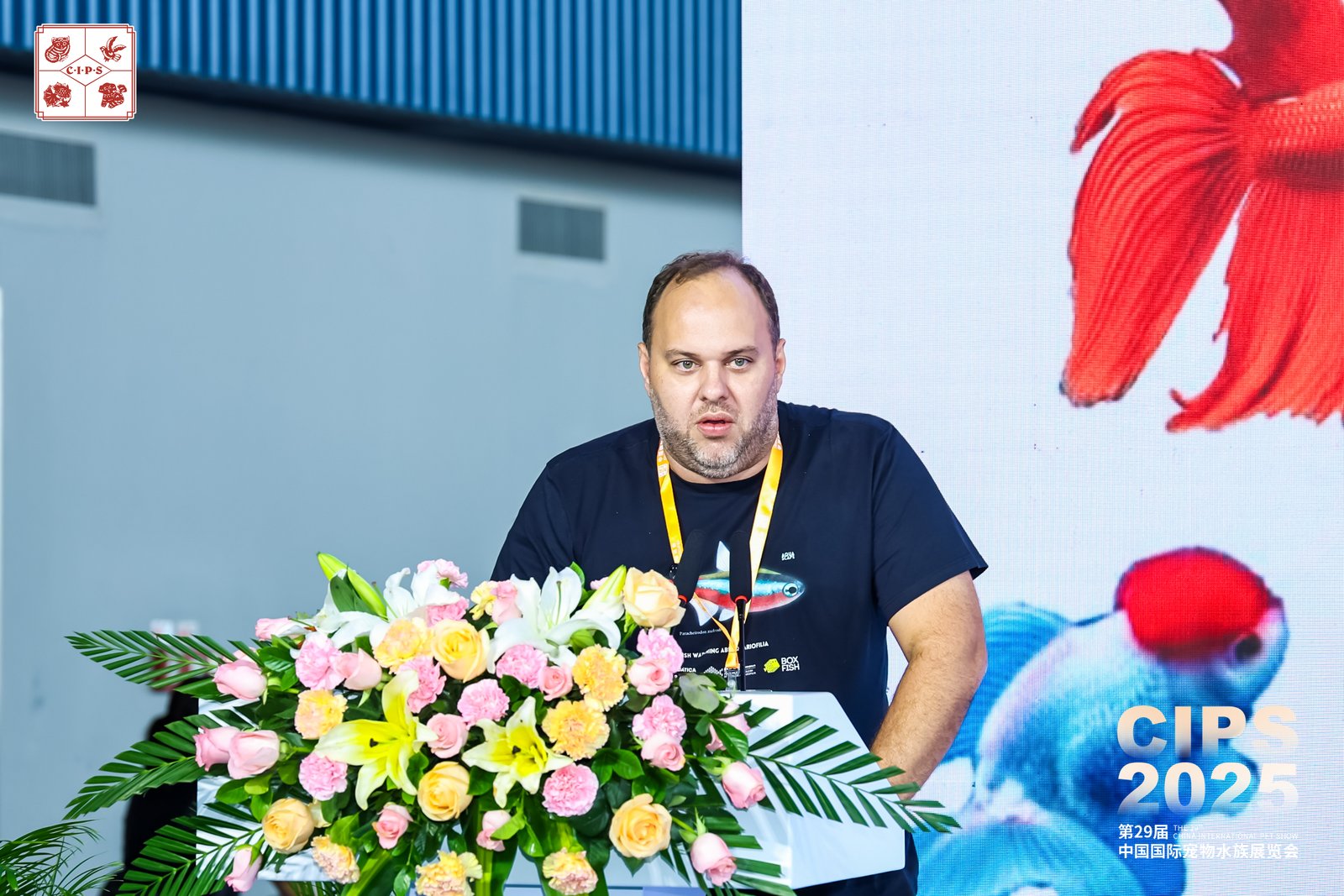
Brazil's aquaculture species exhibit a clear market differentiation: the domestic market is dominated by introduced species, while the export market relies primarily on native wild fish. This distinctive feature has positioned Brazil uniquely in the global aquatic trade.
Mr. Felipe Weber, Technical Consultant at the Brazilian Aquatic Association (ABLA), systematically presented the new landscape of Brazil's aquatic industry at the conference. As an industry association representing 70% of Brazil's market share, ABLA brings together members across the entire industrial chain, from breeders and retailers to importers and exporters. Citing data, Mr. Felipe noted that fish rank as the world's largest pet category, with a total population of 655.8 million. Against this backdrop, the number of ornamental fish kept in Brazilian households reaches approximately 18 million, demonstrating substantial potential in its domestic consumer market. In terms of industrial scale, Brazil is home to 262,231 aquatic-related enterprises, 90% of which are engaged in live animal trade. However, only 16% of these enterprises currently hold IBAMA certification. The industry generates 128,605 jobs, a scale exceeding that of the automotive sector.
Regarding the regulatory framework, Brazil has established a comprehensive legal system: Decree SAP/MAPA No. 17/2021 sets sustainable utilization standards for 725 native fish species; Decree IBAMA No. 102/2022 regulates the import and export processes of ornamental fish. The export market has witnessed rapid growth, with a growth rate of 129.36% between 2020 and 2021.
Mr. Felipe emphasized that Brazil's market competitive advantages lie in its abundant authorized species, government support policies, quality certification systems, and animal welfare standards. He invited the international industry to enter the Brazilian market through ABLA-certified compliant enterprises, jointly promoting the sustainable development of the industry.
Huong Ly Nguyen
Vietnam's Aquarium Industry Through Reform, Innovation, and Global Integration
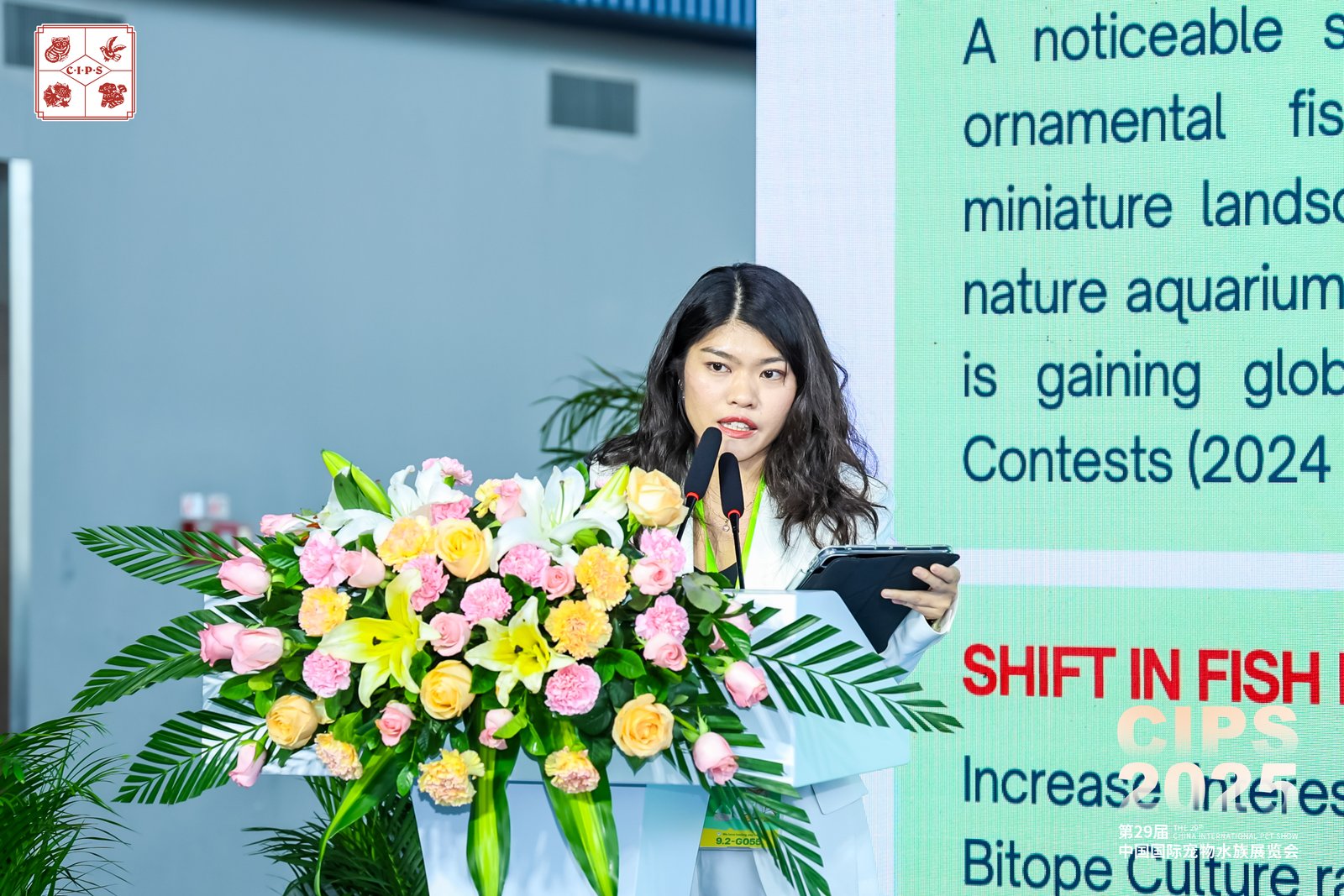
Ms. Huong Ly Nguyen, Director of Business Development at Saigon Aquarium, systematically elaborated on the transformation journey of Vietnam’s aquatic industry at the conference. She pointed out that the industrial cluster centered in Ho Chi Minh City has expanded to 90 hectares, gathering nearly 300 breeding enterprises and households. In 2024, the region exported 15 million ornamental fish, with Saigon Aquarium contributing 13 million. The export market is dominated by Europe (63%) and Asia (28%), while the Americas and other regions account for 9%. The domestic market is undergoing a profound transformation: aquatic landscaping has evolved from traditional Vietnamese miniature landscapes (hòn non bộ) to modern natural aquascapes and biotope tanks, gaining recognition in international competitions. New consumer demand trends have emerged: biotope culture has boosted attention to native fish species; the imported fish market has become diversified, with Chinese fish maintaining a dominant position in the traditional market and Indonesian imported fish seeing a growing share.
The breeding sector is experiencing generational renewal, with young breeders focusing on developing high-end guppy and betta varieties. Meanwhile, ornamental shrimp, balloon mollies, and medaka have gained significant market popularity. Export performance continues to improve: Saigon Aquarium’s total exports increased by 10.5% year-on-year in 2024, and shrimp exports rose by 36.67% year-on-year in the first half of 2025. The industry is forming a dual-track development model featuring coordinated growth between niche breeders and large-scale exporters, with continuous improvements in breeding standardization, quarantine processes, and fish quality.
Ms. Huong emphasized that the core drivers of domestic demand include an urbanization rate of 40.2% and the steady expansion of the middle class (projected to account for 50% of the population by 2030). Additionally, 76.2 million social media users (75% of the population) shape consumption trends through platforms such as Facebook (89.6%), Zalo (86.6%), and TikTok (80.9%). However, the industry still faces challenges such as logistics bottlenecks, documentary compliance barriers, and a fragmented breeding network. Looking ahead, she stressed that priority will be given to promoting environmental protection practices and strengthening the construction of disease detection laboratories. The commissioning of Long Thanh International Airport in 2026 will improve logistics conditions. With enhanced industrial capabilities, Vietnam’s exports are expected to become further diversified, exploring new international markets.
Prof Chen Zaizhong
China's Aquatic Market: Professionalization and Intelligence Drive New Industrial Opportunities

Professor Chen Zaizhong from Shanghai Ocean University delivered an in-depth interpretation of the development trends in China’s aquatic market at the conference. According to statistics from the China Fisheries Association, the total output value of China’s ornamental fish industry reached USD 1.7 billion in 2023, a 39.7% increase compared with 2019, with a compound annual growth rate (CAGR) of 7.94%.
The industry presents a three-tier market structure: live organisms as the core, equipment supply as the highland of technological innovation, and the service & cultural market contributing the highest added value. In the live organism market, traditional goldfish and koi maintain an important position, while tropical ornamental fish, marine fish, and specialty species such as stingrays and arowanas have achieved more significant growth. Data from the China Fisheries Association shows that Guangdong Province recorded an output value of USD 550 million in 2023, accounting for 32.83% of the national total. Foshan City produced over 210 million fish in 2024, with an output value of USD 300 million, driving related trade volume to nearly RMB 100 billion.
The consumer market features distinct characteristics: males aged 30-49 account for 60% of consumers, and female users are growing at a faster rate. Demand is divided into three tiers: novices opt for entry-level kits priced at RMB 200-400; advanced hobbyists focus on aquascaping and smart equipment, with an average customer unit price of several thousand RMB; senior enthusiasts invest over RMB 10,000 annually, pursuing professional equipment and rare species.
Notable achievements have been made in technological innovation: the penetration rate of Recirculating Aquaculture Systems (RAS) has reached 30%, and AI monitoring systems have increased seedling survival rates by 25%. Enterprises such as Xiaomi have launched AI-enabled smart aquariums, realizing biometric identification and health monitoring. Orders for built-in aquariums have grown by 40%, with customized services averaging RMB 5,000-20,000. Innovation in environmentally friendly materials is advancing simultaneously, and functional products such as biodegradable artificial aquatic plants have witnessed impressive sales growth.
The regional pattern is highly concentrated: Foshan (Guangdong), Zhangzhou (Fujian), and Hangzhou Bay (Zhejiang) form the three core production bases. The Hangzhou Bay area accounts for 40% of the national output of recirculating water equipment.
The consumer market is clearly stratified: Beijing, Shanghai, Guangzhou, and Shenzhen account for 45% of national high-end sales, while products dominate mid-to-low-tier markets priced below RMB 500. Parent-child education scenarios and upgrades among existing hobbyists constitute the growth drivers. Insufficient consumer awareness and fragmented brands on the supply side remain the core challenges. Professor Chen suggested that enterprises should establish independent supply chains, the industry should strengthen popular science education, and scientific research should focus on technological breakthroughs such as recirculating aquaculture to promote the professionalization and intelligentization of the industry.
Consensus Forged, Path Forward Clear
Session 1: Global Shifts and Market Restructuring
Detailed Review The 2nd Aquatic Industry Convention Day 1 Review | Global Data & Traditional Markets: Analysis of Established Markets
The analysis of mature markets—covering North American tariff impacts, European compliance frameworks, and Japan’s value systems—explored how to transform market challenges into resilient strategies amid drastic geopolitical and trade policy changes. Experts noted that globalization is not retreating but restructuring: enterprises must shift from reactive responses to proactive planning, building anti-fragile capabilities amid volatility through regional diversification, proactive compliance, and in-depth value cultivation.
Session 2: Rapid Growth of Emerging Markets and Reform Explorations in a New Environment
The global aquatic industry is evolving toward a more multi-dimensional competitive landscape. On the demand side, there is a trend toward younger and more diversified consumers; on the supply side, a balance is being sought between professionalization and sustainability; and on the technological side, intelligence is reshaping industry standards. In an era of coexisting growth and challenges, all stakeholders across the industrial chain are jointly driving the global aquatic industry toward a more mature and open future.
Stay tuned for an in-depth interpretation of Session 3.
Copyright © 2008-2026 | China Great Wall International Exhibition Co., Ltd.