 China International Pet Show
The 2nd Aquatic Industry Convention Day 2-2 Review | What is the reform path in the new environment
From November 13 to 15, the 2nd Aquatic Industry Convention was held under the theme " Potential Through Hard Times: Reform, Innovation, and Aquatic Development Under Globalization and Regionalization." Aimed at exploring the industry's future with a forward-looking perspective, the conference focused on reform breakthroughs, technological innovation, and sustainable development, setting a benchmark for the global aquatic industry.
On November 14, the conference entered its second day, continuing the core theme of "Potential Through Hard Times." In the afternoon, authoritative industry experts conducted in-depth discussions on the special topic "New Conditions & Reforms: Examination of political shifts, Environmental Legislation, and Sustainable Business Models."
From the integration of tradition and innovation in Japan’s aquatic culture, Brazil’s ecological conservation practices, and the development of a standardized service system for professional reef marine aquariums, to the new opportunities emerging as the aquatic consumer market shifts from large-scale expansion to refined operations, the aquatic industry in emerging markets has showcased diverse exploration pathways across cultural, ecological, technological service, and market operation dimensions.
uXiao Ping, Head of Aquatic Business at Taobao & Tmall, who analyzed the new opportunities in the aquatic consumer market as it transitions from large-scale expansion to refined operations
uNaoya Yamada, Representative President of AQUARIUM TALLMAN Co., Ltd., a seasoned researcher specializing in Japan’s aquatic culture
uScott Dowd, Executive Director of Project Piaba, a key driver of sustainable fisheries development in Brazil
uJeff Turner, Principal of Reef Aquaria Design, who shared insights into the professional reef marine aquarium service system
On the afternoon of the 14th, industry professionals from various perspectives-including cultural inheritance, ecological conservation, and technological services-presented the diverse development paths of the aquatic industry.
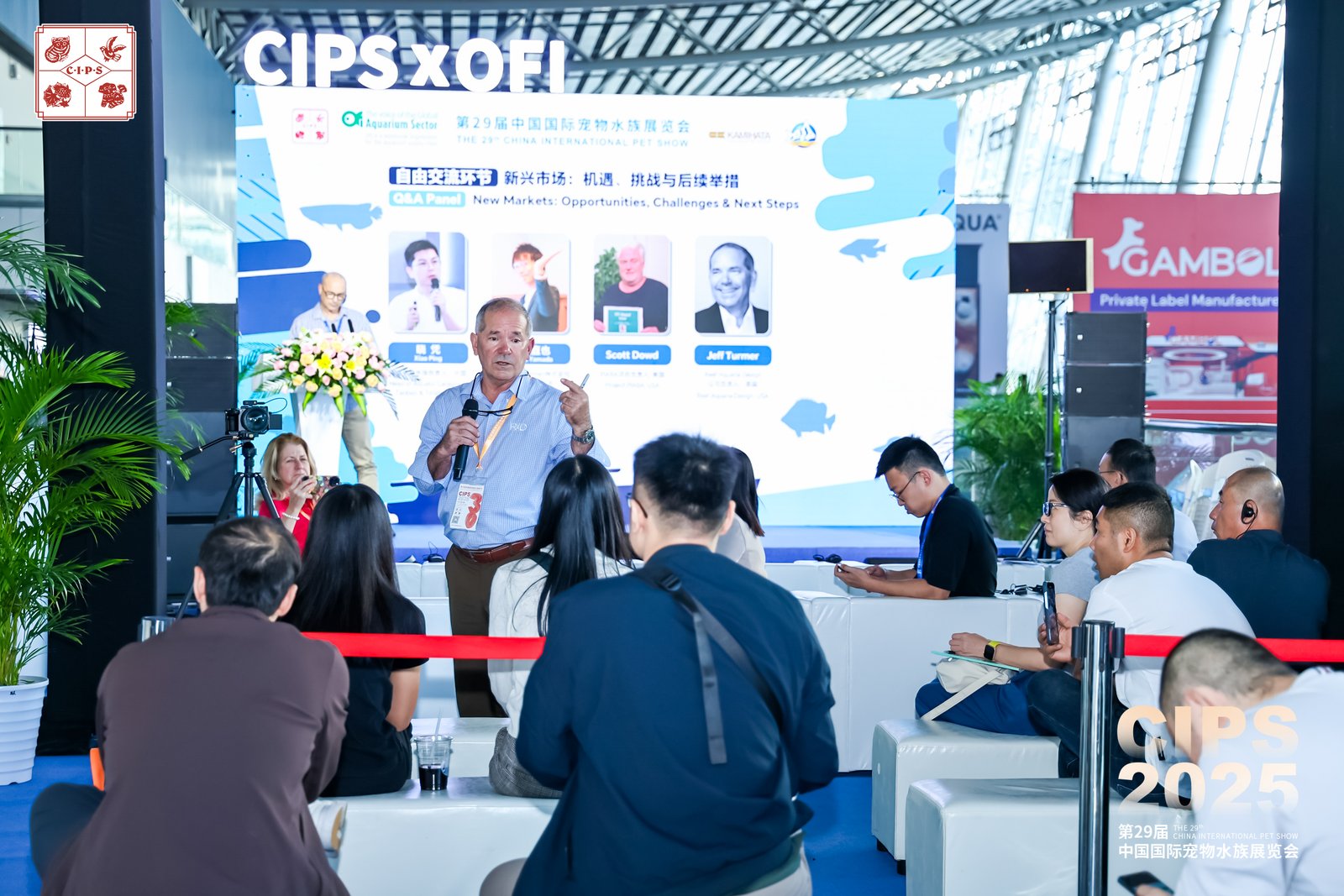
Xiao Ping
2025 Taobao & Tmall Aquatic Consumption Trend Report: Analyzing New Demographic Profiles,Product Upgrades and Scenario Expansion in the Aquatic Industry
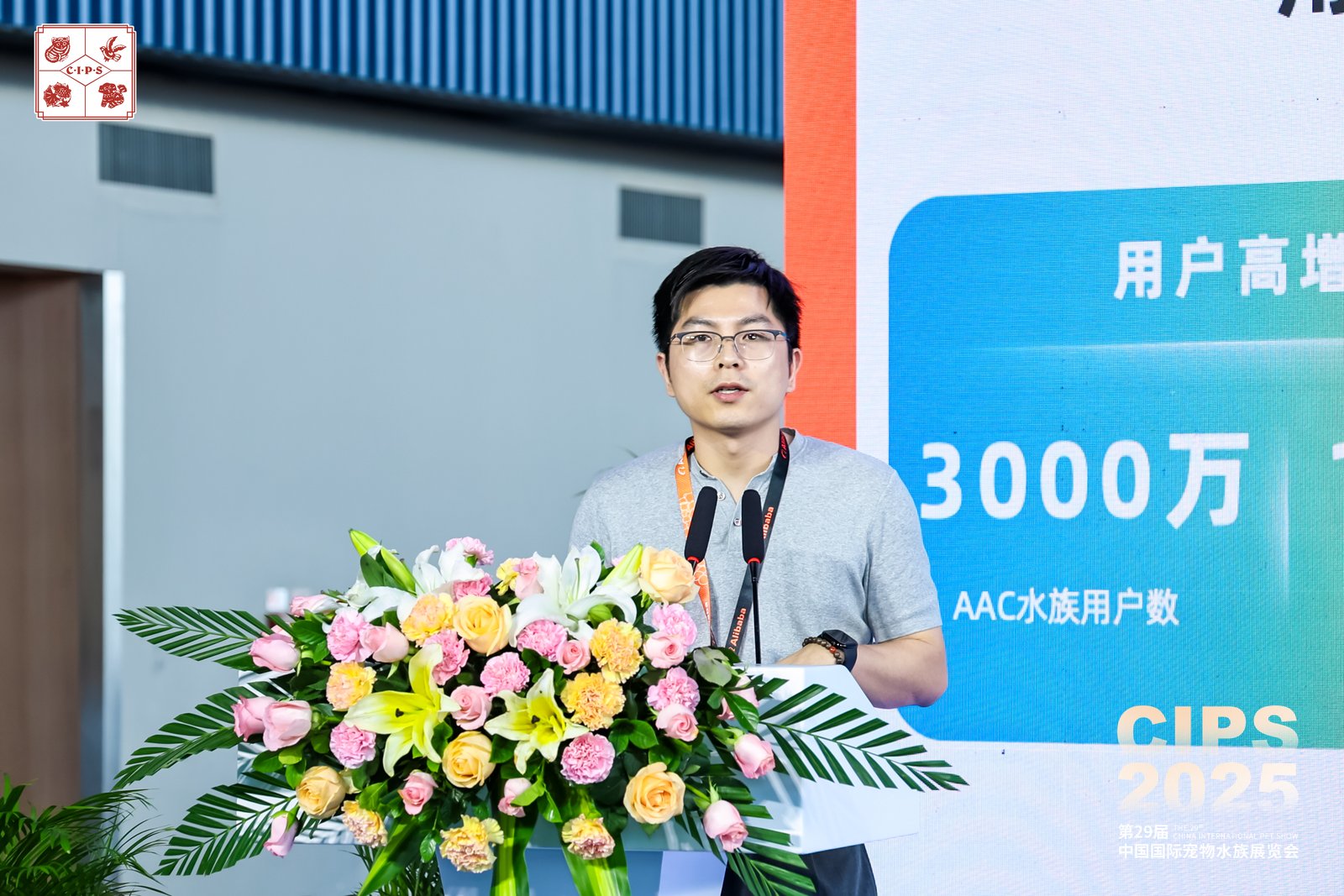
Once a niche segment under the traditional pet economy, the aquatic sector has now emerged as a "new growth engine" within the pet industry, driven by doubled penetration rates, a standardized policy environment, and refined consumer demands. Xiao Ping, Head of Aquatic Business at Taobao & Tmall, noted that the aquatic market has entered a phase of "scale expansion coupled with normative upgrading." From an industrial perspective, China’s pet economy has maintained double-digit growth since 2015, with the aquatic category outperforming others. Its penetration rate nearly doubled from 7.3% in 2022 to 13.4% in 2024, fueled by the rising demand for "ornamental value, home decoration, and emotional companionship." At the policy level, the national government introduced full-chain regulations covering pet diagnosis, treatment, and transportation in 2025. Locally, cities like Wuxi plan to cultivate 16 above-scale aquatic enterprises and build 2-3 pet industrial parks, laying the foundation for the industry’s healthy development.
On the consumer side, the demographic structure exhibits the characteristics of "stable core consumer base and explosive growth in emerging segments." Males (nearly 60%) and the 35-49 age group (over 50%) remain the core, with more than half having over three years of breeding experience. Meanwhile, three emerging consumer groups are driving growth: females (18% year-on-year increase), the post-50s silver-haired generation (growth rate exceeding 20%), and parent-child families (accounting for nearly 50% of the parenting stage). These groups have spurred strong sales of exquisite aquariums, low-maintenance systems, and parent-child kits, respectively. Consumers are also becoming more rational, with nearly 60% prioritizing comprehensive e-commerce platforms for after-sales services and cost-effectiveness. Usage scenarios have expanded beyond homes to offices and outdoor spaces, boosting the growth of segmented products. Product innovation has shifted toward "segmented scenario-driven development." In terms of equipment, smart integrated aquariums have become a trend, with turtle tanks seeing over 100% growth. In the live organism market, niche categories such as crabs, corals, and sea anemones have achieved significant growth, while senior enthusiasts favor high-end rare species. In the food sector, "species-specific nutrition" has become mainstream, with freeze-dried and low-temperature cooked technologies widely adopted.
Xiao Ping emphasized that in 2025, the aquatic market is transitioning from "scale expansion" to "quality improvement." Enterprises that grasp segmented demands, intelligent technologies, and service standardization will seize opportunities, and consumers will benefit from more professional products and services.
Naoya Yamada
Japanese Aquatic Culture from Eastern Aesthetics - lts Development, Challenges, and Future
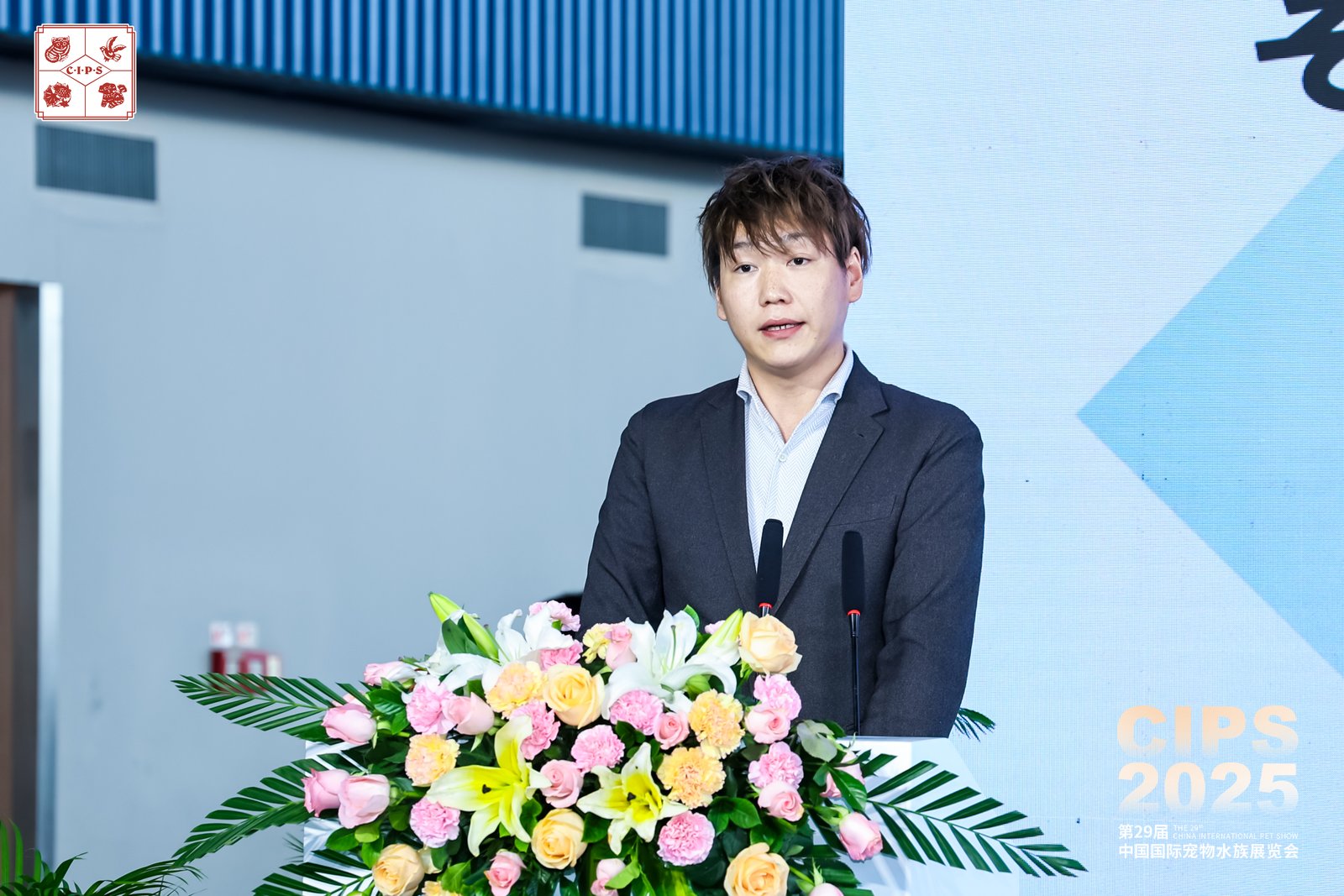
Mr. Naoya Yamada, Representative of AQUARIUM TALLMAN Co., Ltd., shared the evolutionary journey of Japan’s aquatic culture at the conference. He highlighted that Tallman’s aquarium stores, centered in Osaka, go beyond mere product sales and are committed to fostering the philosophy of "rooting aquatic culture in daily life."
Amid global technological innovation, Mr. Yamada specifically noted that technologies from China are driving industry transformation at an astonishing pace—particularly in areas such as water pumps, lighting fixtures, CO₂ systems, and filters—with a steady stream of high-quality, cost-effective products emerging. In practice, his company focuses on applying automation technology to real-world scenarios, having successfully introduced fully automatic water change systems in Tallman’s Umeda Osaka store and ordinary households, aiming to simplify complex maintenance work. He also acknowledged innovative products like the "Hyalaea" fully automatic rainforest aquarium system developed by LEDSTAR, which enables full smartphone control of lighting, misting, ventilation, and water supply.
This led Mr. Yamada to pose a critical question: "Is inconvenience really a bad thing?" He argued that while automation brings convenience, the careful observation during manual water changes allows hobbyists to detect subtle changes—such as the color of aquatic plants and the vitality of fish—and this "time of connection" is itself the core joy of the aquatic hobby. Looking ahead, he anticipated that user values will become more diversified, citing various user types ranging from those pursuing efficiency to those enjoying the process. He emphasized that "all ways of enjoying the hobby are valid," and the industry should respect diverse values while collectively exploring effective ways to promote aquatic culture.
In conclusion, Mr. Yamada stated that the aquatic hobby is a rich lifestyle that provides healing and inspiration. Making this culture accessible to more people is not only Tallman’s mission but also the shared goal of the entire industry.
Scott Dowd
Project PIABA
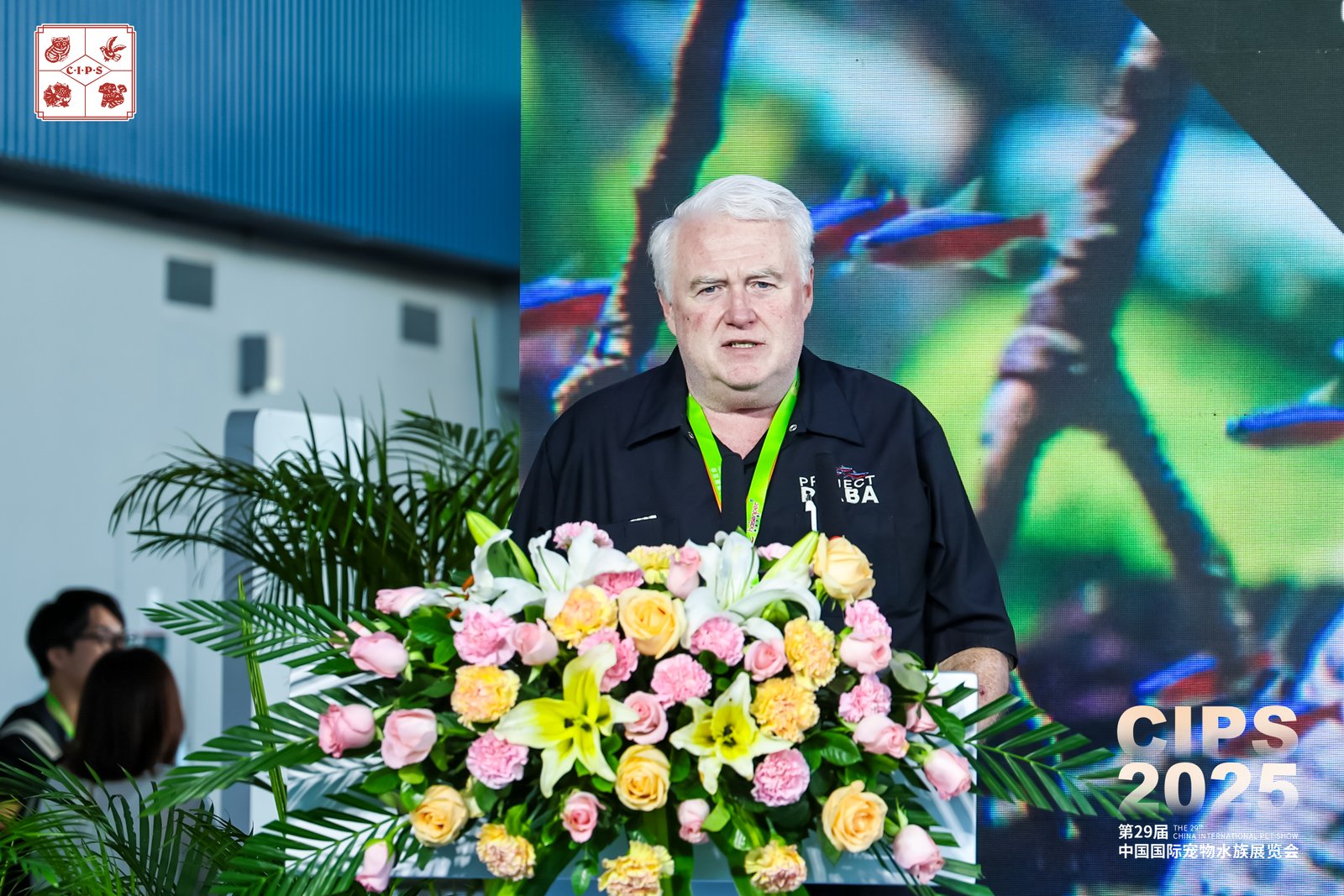
Project Piaba, with its core philosophy of "Conservation Through Commerce," regulates trade, promotes value-driven sustainable fisheries, and addresses industry challenges—serving as a model for achieving win-win outcomes for both ecosystems and local communities. Mr. Scott Dowd, Executive Director of Project Piaba, shared the core concept of this Brazilian sustainable fisheries initiative at the conference. Guided by the slogan "Buy a Fish, Save a Tree," the project provides economic incentives to local communities through the establishment of sustainable ornamental fish trade, thereby protecting Amazon rainforest habitats.
The project adopts a dual strategy to drive the development of fisheries in the Rio Negro region:
[Strategy 1] Focus on fish quality, animal welfare, and trade suitability—enhancing fish welfare by assessing and improving operational standards across the entire chain from capture to export.
[Strategy 2] Prioritize marketing and storytelling—conveying the project’s values to potential enthusiasts through participation in industry exhibitions and collaborations with public aquariums.
Mr. Scott highlighted that the industry faces multiple challenges: pressure from animal rights organizations, regulatory and policy constraints, air transport and supply chain issues, tariff barriers, a decline in young enthusiasts, and competition from captive-bred Amazonian fish species overseas. He emphasized that building a sustainable fisheries model is not only about species conservation but also closely linked to local cultural identity and community livelihoods. By implementing best practices and improving nutrition and acclimatization processes, the project is committed to enhancing fish welfare.
Data shows that over 20 million neon tetras are exported annually from Brazilian floodplains to aquariums in European and American households. This sustainable fishing model provides local residents with a viable alternative to logging and mining, creating a virtuous cycle of "conservation equals income."
Through innovative solutions, Project Piaba has demonstrated that responsible ornamental fish trade can serve as an effective tool for protecting ecosystems and supporting local communities—offering a crucial model for the sustainable development of the global aquatic industry.
Jeff Turner
The growing home aquarium market
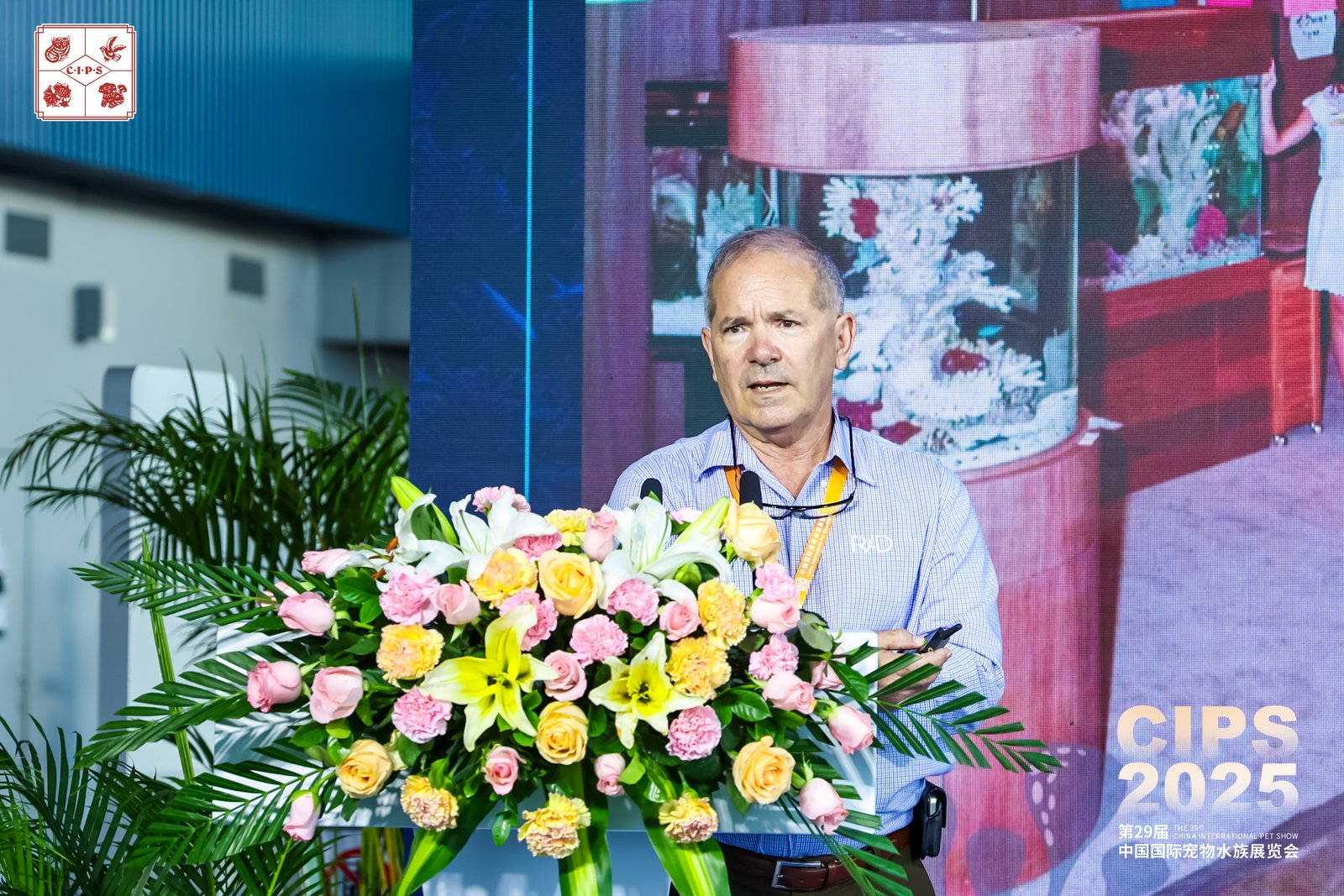
The professional reef marine aquarium service system covers a full-chain standardized solution—from sales processes and technical installation to intelligent maintenance—supporting the standardized development of the industry. Mr. Jeff Turner, Principal of Reef Aquaria Design, shared the comprehensive service system for professional reef marine aquariums. With a legacy tracing back to the award-winning team of the Florida Marine Aquarium Society in 1971, the team has evolved into a professional "A-Team of Aquariums."
Mr. Jeff systematically elaborated on the entire process of professional reef marine aquariums from concept to operation. In the sales phase, he detailed a 26-step standardized process (A to Z), forming a complete service closed loop—from initial customer needs analysis, on-site assessment, and budget planning, to mid-stage equipment procurement and system installation, and finally to post-commissioning water quality debugging and ongoing maintenance. At the technical implementation level, Mr. Jeff proposed an interconnected set of installation quality standards. Built on structural safety, the standards require a load-bearing design of 10 pounds per gallon, while comprehensively addressing backup power systems for electrical configurations, HVAC requirements for optimal room temperature, and water supply/drainage pipeline design. Core system construction includes professionally drilled aquarium tanks, integrated filtration solutions with protein skimmers and automatic top-off systems, and diversified lighting options covering fluorescent, metal halide, and LED technologies. For intelligent management, the system emphasizes the mandatory configuration of timing control systems, coupled with monitoring equipment featuring data logging and remote alarm functions. Stable operation is ensured through systematic water quality testing and logkeeping. Ultimately, the long-term healthy operation of the reef marine ecosystem is achieved through scientific biological introduction strategies and continuous maintenance services.
This proven comprehensive solution provides the industry with professional standards from sales to installation, demonstrating the trend of aquatic services evolving from traditional craftsmanship to systematic and standardized development.
Consensus Forged, Path Forward Clear
Session 1: Global Shifts and Market Restructuring
Detailed Review The 2nd Aquatic Industry Convention Day 1 Review | Global Data & Traditional Markets: Analysis of Established Markets
The analysis of mature markets—covering North American tariff impacts, European compliance frameworks, and Japan’s value systems—explored how to transform market challenges into resilient strategies amid drastic geopolitical and trade policy changes. Experts noted that globalization is not retreating but restructuring: enterprises must shift from reactive responses to proactive planning, building anti-fragile capabilities amid volatility through regional diversification, proactive compliance, and in-depth value cultivation.
Session 2: Rapid Growth of Emerging Markets and Reform Explorations in a New Environment
Detailed Review The 2nd Aquatic Industry Convention Day 2-1 Review | Which Emerging Regions Hold the Keys to International Market Growth?
The global aquatic industry is evolving toward a more multi-dimensional competitive landscape. On the demand side, there is a trend toward younger and more diversified consumers; on the supply side, a balance is being sought between professionalization and sustainability; and on the technological side, intelligence is reshaping industry standards. In an era of coexisting growth and challenges, all stakeholders across the industrial chain are jointly driving the global aquatic industry toward a more mature and open future.
Session 3: New Conditions & Reforms: Examination of political shifts, Environmental Legislation, and Sustainable Business Models
The global aquatic industry is evolving toward a more multi-dimensional competitive landscape. On the demand side, there is a trend toward younger and more diversified consumers; on the supply side, a balance is being sought between professionalization and sustainability; and on the technological side, intelligence is reshaping industry standards. In an era of coexisting growth and challenges, all stakeholders across the industrial chain are jointly driving the global aquatic industry toward a more mature and open future.
Stay tuned for an in-depth interpretation of Session 4.
Copyright © 2008-2026 | China Great Wall International Exhibition Co., Ltd.