 China International Pet Show
What Did Deputies Say for Pet at This Year’s Two Sessions?
On the morning of March 11, the Fourth Session of the 14th National Committee of the Chinese People’s Political Consultative Conference (CPPCC) successfully concluded all its agenda. Shortly after, on the afternoon of March 12, the Fourth Session of the 14th National People’s Congress (NPC) also concluded successfully. With this, the highly anticipated Two Sessions of 2026 officially came to a close.
During this year’s Two Sessions, deputies and members put forward numerous proposals on pressing social issues, with the rapidly growing pet economy and its industry regulation emerging as a major focus. Addressing the entire industry chain—covering pet travel, medical care, trading, funeral services, and pricing—many participants offered targeted suggestions to promote high-quality development of the pet sector.
Key Features of the Proposals: Balancing Macro and Micro Approaches
The proposals are characterized by a dual focus on macro-level legislation and micro-level governance:
On one hand, they call for national-level legislative improvements to fill legal gaps in top-level design, providing a fundamental basis for regulation.
On the other, they zero in on specific segments such as travel, medical care, and funeral services, directly tackling market disorders like chaotic pricing and uneven service quality, aiming to resolve industry pain points with precise policies.
As the Two Sessions wrap up, Chong Ye Jia reviews the key proposals related to the pet industry from the 2026 meetings.
1. Proposals to Improve Legal Frameworks for Animal Protection and Regulate the Pet Economy
This year’s Two Sessions sent a strong signal for the pet industry: multiple deputies and members jointly called for national-level legislation on pet-related matters.
This could break the long-standing dilemma of inconsistent local regulations and vague standards. For compliant enterprises, unified legislation will raise entry barriers but also weed out unqualified competitors, fostering a fairer market environment.
Xu Shilong (CPPCC Member, Chairman of Shanghai Harbor Group)proposed a comprehensive approach to regulate the pet economy through improved legislation, strict law enforcement, epidemic prevention, and qualification management to drive healthy and orderly development.
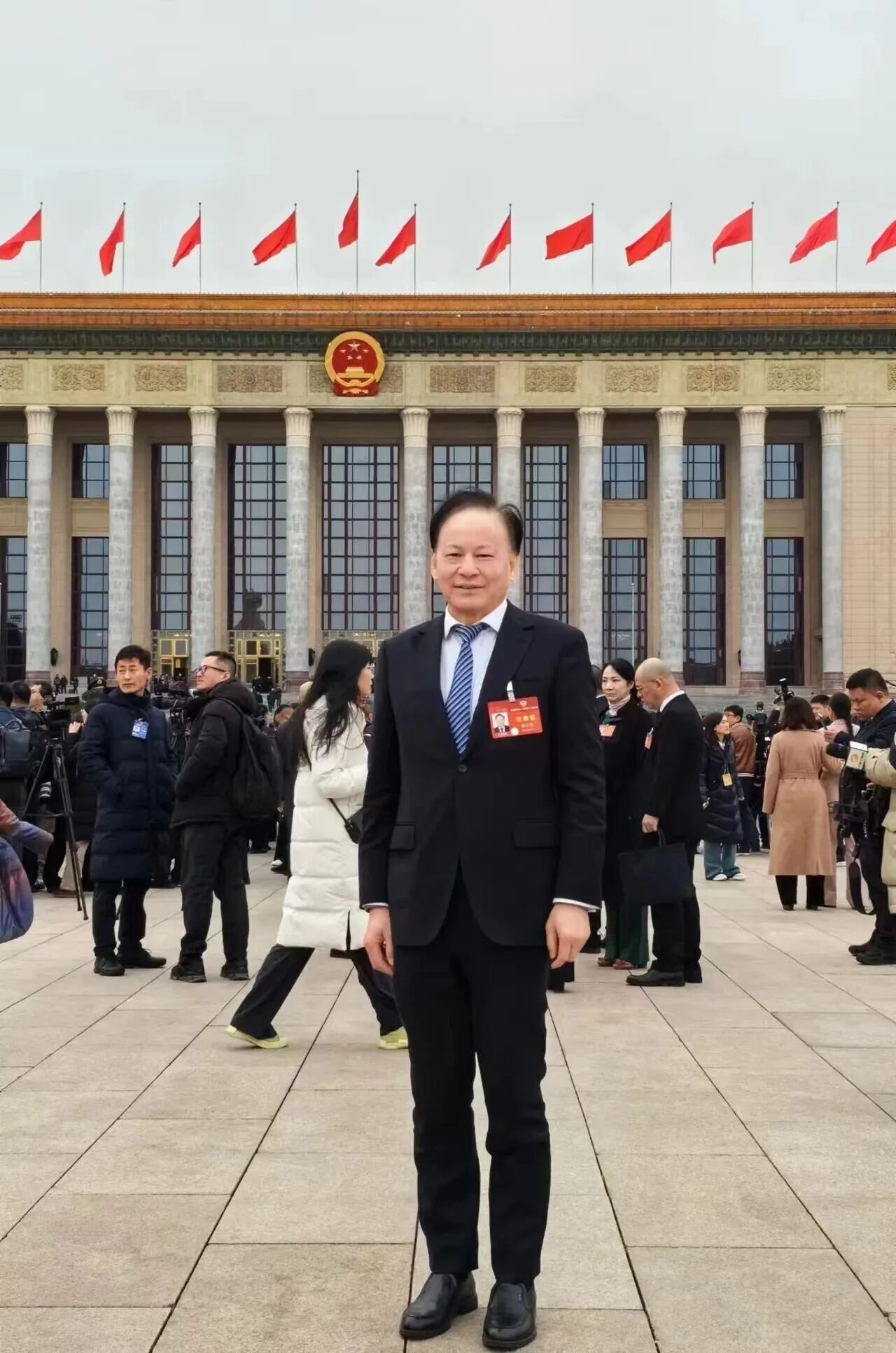
Xu Shilong
The top priority is to accelerate legislative progress and improve the regulatory system. The state should speed up research and formulation of laws and regulations for the pet economy to fill regulatory gaps.
For emerging sectors like pet funeral services, training, and medical care, encourage qualified regions to pilot specific management standards and service norms, setting clear boundaries for businesses and providing a basis for dispute resolution.
Addressed prominent issues including fragmented regulation, difficulties in consumer rights protection, public health risks, and industry qualification management with targeted recommendations.
Zhao Wanping (NPC Deputy, Vice President of Anhui Academy of Agricultural Sciences) advocated for improving the legal system for animal protection and opposing animal cruelty. Pets have evolved from mere animals to important family members, and societal tolerance for animal abuse is declining—legal and policy improvements are urgent.

Zhao Wanping
Strengthen supervision of animal medical activities, hold veterinary institutions accountable, and crack down on unlicensed practice, overreach by registered veterinarians, and improper prescription practices.
Establish a cross-departmental coordination mechanism: procuratorates should strengthen collaboration with agriculture and rural affairs, ecology and environment, and health authorities to oversee the entire process of medical waste disposal and penalize violations.
Improve relevant laws to bring pet medical standards and stray animal protection under legal governance, preventing disease transmission at the source.
Xing Qingsong (NPC Deputy, Secretary of Party Branch of Maocheng Village, Gaochun District, Nanjing) proposed accelerating legislation for the standardized and healthy development of the pet economy.
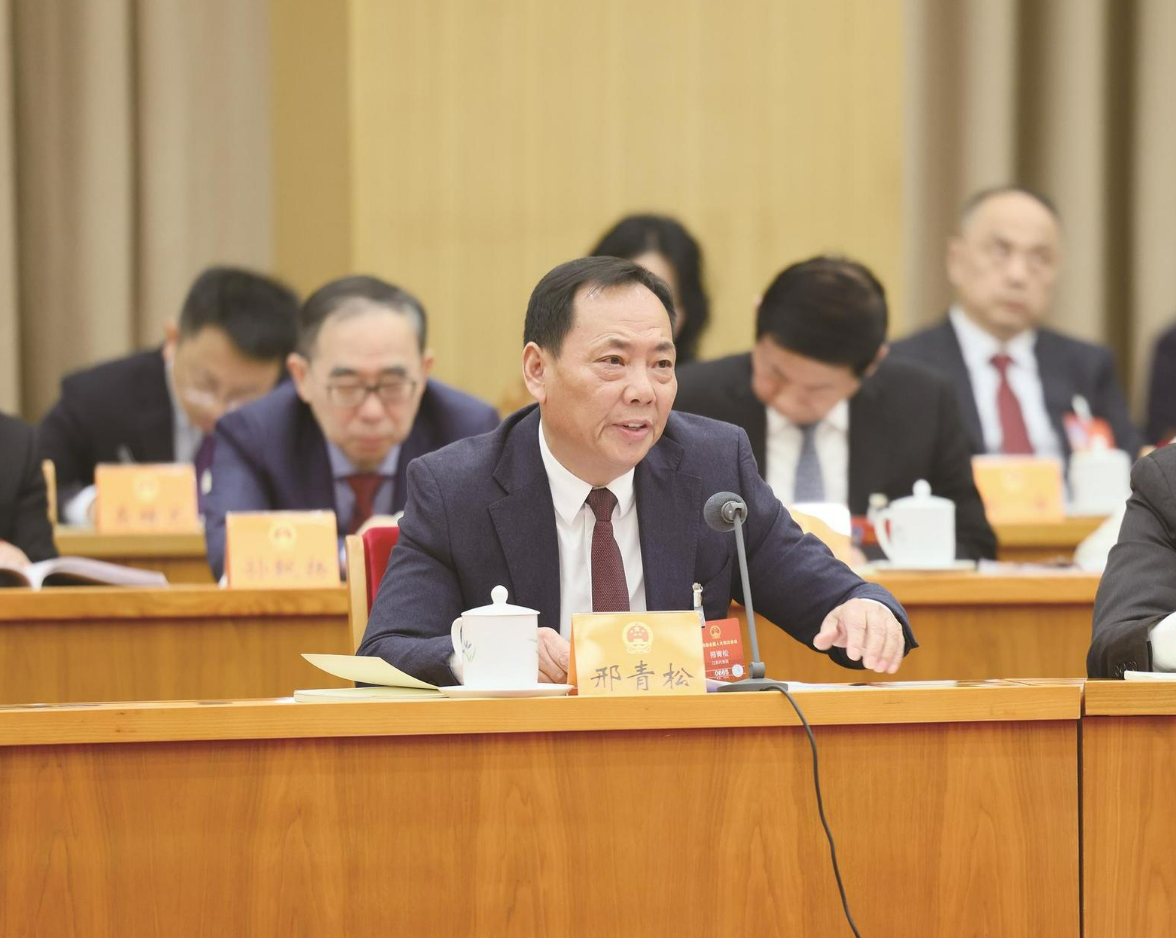
Xing Qingsong
Strengthen top-level design: issue guiding documents and development plans for the pet economy, clarifying goals, key sectors, and implementation paths to accelerate industrial layout.
Formulate laws and regulations for standardized development, defining pet management scope and improving rules for breeding, trading, food, supplies, epidemic prevention, medical care, and services.
Develop industry standards across six core segments: breeding, pharmaceuticals, food, supplies, medical care, and services. Establish specific guidelines for breeding, trading, and fast-track approval for innovative pet drugs to promote standardization.
Zhang Yimin (NPC Deputy, Secretary of Party Branch of Lusheng Village, Pujin Subdistrict, Minhang District, Shanghai) called for faster legislative progress and refined laws covering high-conflict areas such as pet waste disposal, abandonment, and funeral services.
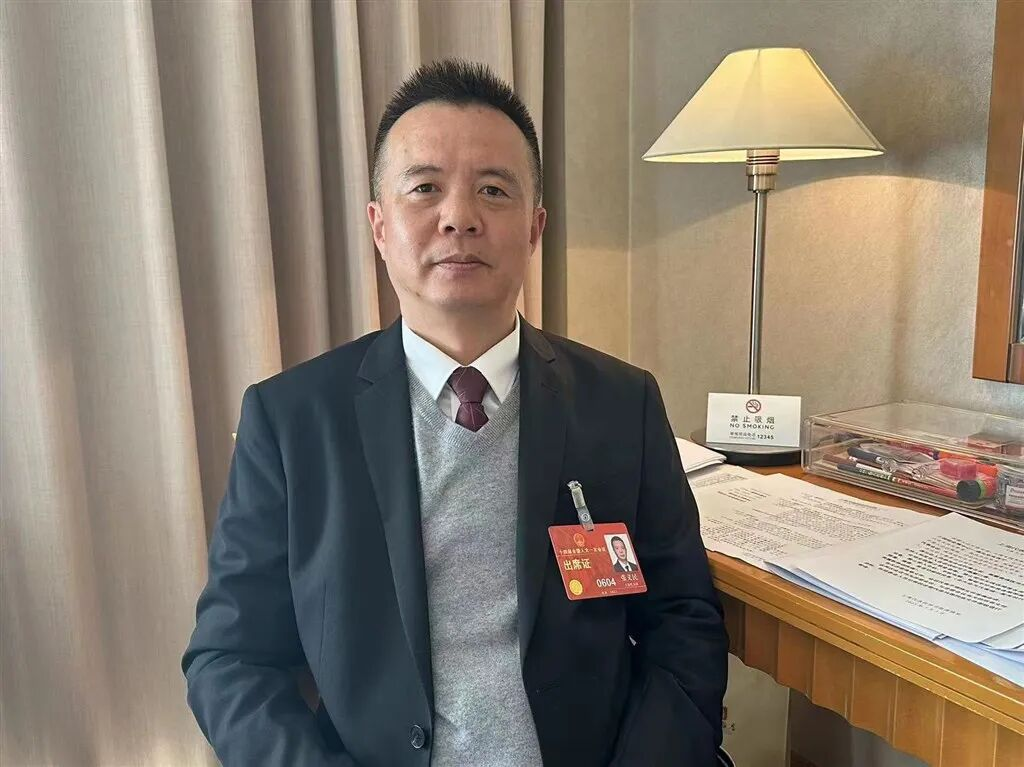
Zhang Yimin
In addition, efforts should be made to improve industry standards and strengthen market regulation. An in-depth analysis should be conducted on the characteristics and trends of the pet consumption market, and unified industry standards should be formulated for key sectors such as pet funeral services.
Market access management shall be strictly enforced in terms of professional qualification review, publicity of fee standards, and environmental protection requirements. Daily supervision will be strengthened to severely investigate and punish business entities that violate industry standards or lack relevant qualifications.We will ensure the sound and orderly development of the pet consumption market through law-based measures, and effectively meet the public’s demand for high-quality pet companionship.
2. Pet Travel, Product Pricing, "Week Pets": Deputies Put Forward Suggestions on High-Frequency Pet Consumption Scenarios and Issues
In addition to proposing legislative support, some deputies also offered specific suggestions for segmented sectors of the pet industry, covering pet travel, industry pricing, and crackdowns on dishonest practices such as selling "week pets". These proposals aim to promote the standardized development of relevant fields and put an end to exorbitant profits and market chaos at the source.
Tang Lijun (NPC Deputy, Dean of School of Food and Biotechnology, Sichuan Vocational and Technical College) proposed transparent pricing in the pet industry. Market regulators should conduct in-depth research on pricing irregularities and carry out regular inspections, requiring businesses to publicly display service contents and price lists in prominent locations to support long-term healthy development.

Tang Lijun
Tu Hongyan (NPC Deputy, Chairperson of Wensli Group) focused on industrializing AI-powered smart equipment for pet travel, with five key recommendations:
Strengthen top-level design: Develop national unified technical specifications for smart pet travel equipment (e.g., smart pet carriers, monitoring terminals) and include mature products in mandatory certification. Revise relevant regulations for legal support.
Build a national data platform: Establish a national pet management and smart travel data sharing system, piloting in Zhejiang. Integrate immunization, quarantine, electronic ID, and travel records to realize “one pet, one code, seamless travel”. Connect with government big data systems for safe data sharing.
Pilot in Zhejiang: Support Zhejiang to launch a pilot program of “smart equipment access + time-limited scenario access + closed-loop data supervision,” allowing qualified smart carriers and pets with valid electronic quarantine certificates to take subways and buses during off-peak hours on designated routes, creating a replicable “Zhejiang Model.”
Promote industrial integration: Include AI+pet travel equipment in policies supporting consumption and new quality productive forces. Encourage local governments to use consumption vouchers for promotion. Foster collaboration between tourism, hotels, insurance, equipment manufacturers, and travel platforms to develop integrated service packages.
Establish cross-departmental coordination: Set up an industrial coordination mechanism to address standards, certification, scenario access, and data sharing. Summarize successful models like digital quarantine and smart equipment standards to create “local benchmarks” and promote pet-friendly city best practices.
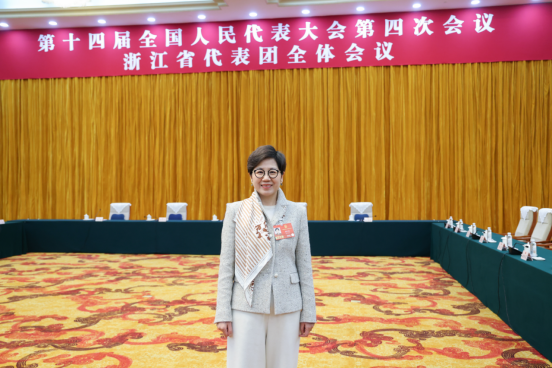
Tu Hongyan
Sheng Hong (NPC Deputy, Secretary of Party Branch of Gubei Ronghua Fourth Community, Hongqiao Subdistrict, Changning District, Shanghai) proposed a special campaign against “week pets”.

Sheng Hong
Urge procuratorates to strengthen coordinated governance with administrative authorities, launch special rectification, and build an information-sharing platform for stronger protection.
Enhance public legal awareness through typical case releases and community lectures to improve consumers’ ability to identify risks and protect their rights.
Collaborative Governance and Standard Implementation: Laying a Foundation for High-Quality Development
3. Beyond legislation and addressing sector-specific issues, ensuring policy implementation and building long-term governance mechanisms were also key themes.
Collaborative Supervision
Deputies proposed a multi-departmental coordination mechanism involving agriculture and rural affairs, health, and market regulation to resolve the regulatory dilemma of “those who see cannot govern, those who govern cannot see.” Strict qualification reviews and regular inspections for institutions and practitioners in pet medical and funeral services will be enforced, with unqualified operators removed.
Transparent Pricing and Consumer Rights Protection
Against chaotic pricing and information opacity in pet medical and funeral services, deputies called for mandatory public disclosure of services and prices, cracking down on price fraud and false advertising. They also proposed streamlined complaint channels and mediation/arbitration mechanisms to improve dispute resolution efficiency.
Public Health and Safe Disposal
Recommendations include government procurement of services to guide NGOs in scientific stray animal sheltering, vaccination, sterilization, and adoption. Mandatory technical standards for pet carcass disposal are urgently needed to prevent disease spread and safeguard public health.
Talent Development
Proposed optimizing the veterinary licensing exam with greater weight on clinical practice, and establishing mandatory continuing education for practitioners drawing on international experience. Industry associations should lead certification and rating systems to 提升 professionalism and drive standardization.
These proposals outline a path for the pet industry to shift from “wild growth” to “refined development”—requiring legal safeguards at the top, precise governance in implementation, and overall improvement of professional competence.
As these recommendations are gradually implemented, the pet industry is poised to enter a new era of more standardized, transparent, and healthy development.
*Published by Chong Ye Jia. The views expressed in the reproduced content represent those of the original author only and are for reference purposes.
Copyright © 2008-2026 | China Great Wall International Exhibition Co., Ltd.