 China International Pet Show
Beyond Growth: Looking to the Future of the Pet Industry
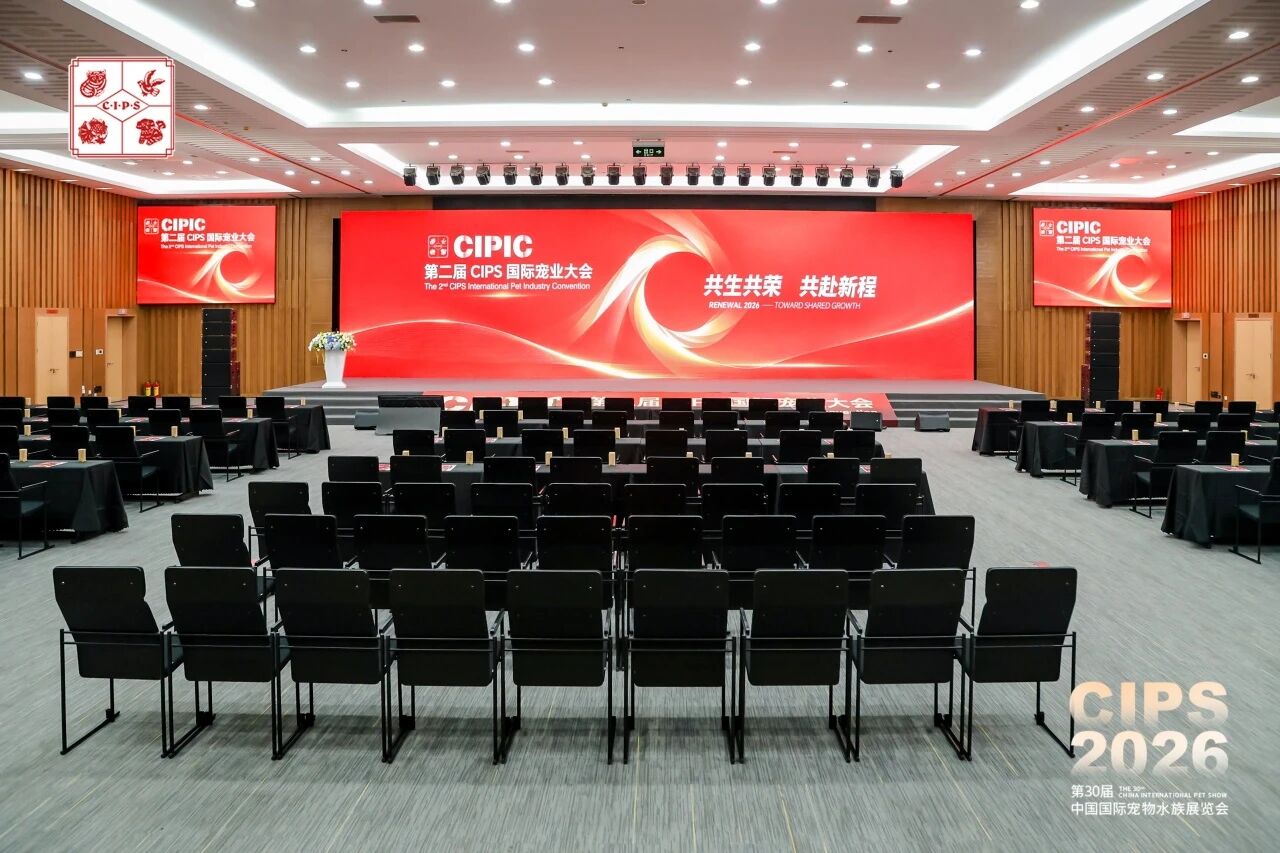
CIPIC 2026 Brings Global Industry Perspectives Together to Explore the Next Wave of Opportunity
Chinese manufacturers can now produce an ever-wider range of products. But which of those products truly deserve a place in international markets?
If a pet product can be sold in Europe, does that necessarily mean it meets local requirements and reflects local approaches to pet keeping?
An international industry guest, having travelled from afar, brought out a pet leash treasured for many years, taking the audience back to the fundamental relationship that gave rise to the pet industry.
These reflections, coming from different perspectives, are about more than the size of the market or how long growth can continue. They ask how businesses understand change, create value and help shape the industry’s future.
On November 11, 2026, the 2nd CIPS International Pet Industry Convention (CIPIC 2026) took place in Guangzhou, one day before the opening of the 30th China International Pet Show (CIPS 2026).
Under the theme “Renewal – Toward Shared Growth,” this year’s convention brought together representatives of international pet industry associations, global retailers, brands, manufacturers and market research organisations. Through keynote presentations, panel discussions and showcases of innovation, participants examined the global market landscape, value-chain collaboration, industry regulations and standards, technological innovation and sustainable development.
As an important extension of CIPS as an international trade platform, CIPIC looks beyond markets and commercial opportunities. It brings together experience from different countries and across the industry value chain, providing a bridge for more substantive, practical exchange and cooperation within the global pet industry.
1. Rethinking Growth: How Is the Global Pet Market Changing?
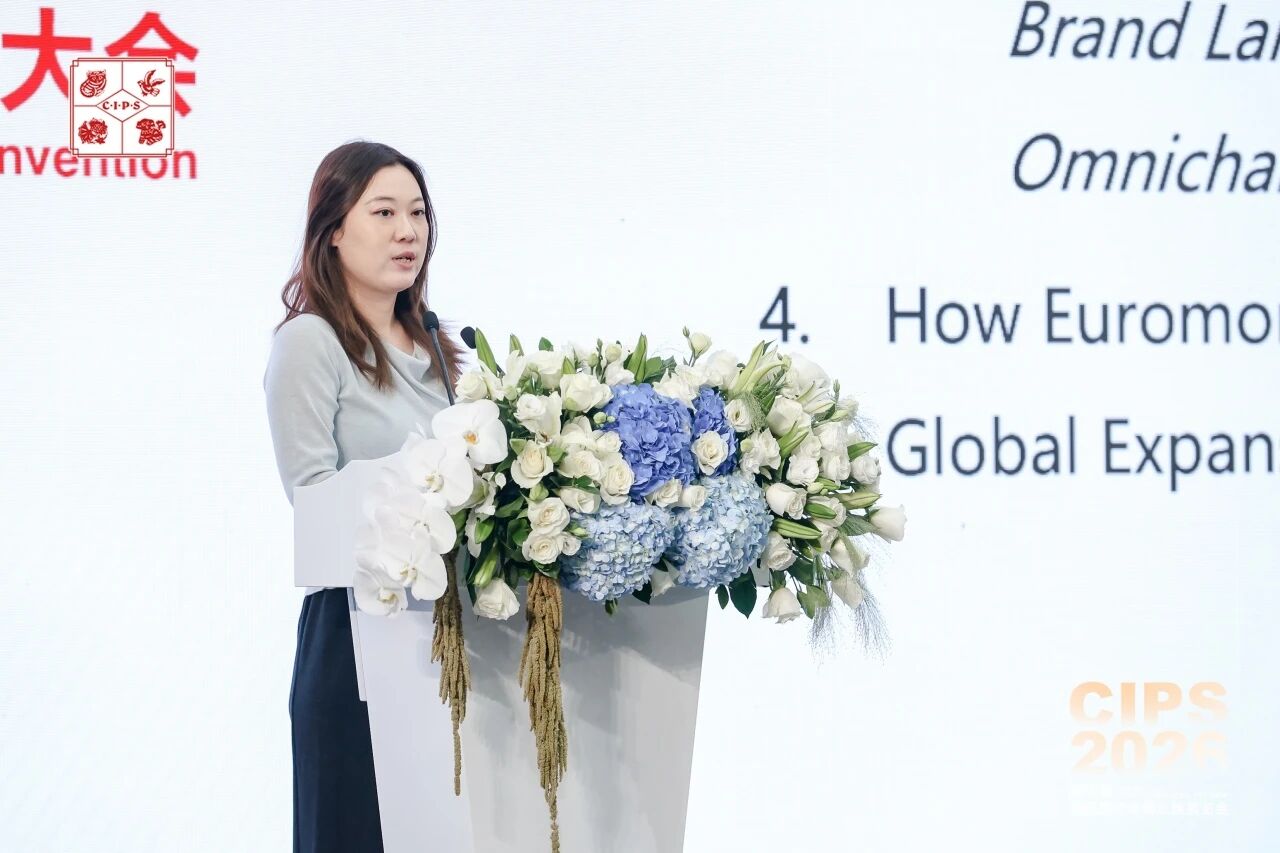
The global pet industry continues to grow. For businesses, however, the more important questions are where that growth is taking place and what demand is driving it.
In her keynote, “The Pet Economy in a Global Context: A Changing Landscape and Opportunities for China,” Kelly Tang, Global Market Expansion Insights Manager at Euromonitor International, drew on global market research to examine the industry’s growth prospects and the structural shifts taking place across regions, brands and distribution channels.
According to Euromonitor International’s forecast, the global pet care market could reach US$257 billion by 2031. More significantly, global sales value is expected to grow faster than sales volume, suggesting that pet spending is becoming less dependent on the expansion of consumption in sheer numbers and increasingly driven by higher product value and changes in the consumption mix.
At the same time, growth patterns are diverging across markets.
In mature markets such as North America, growth is increasingly tied to premiumisation, specialised nutrition and healthcare. In emerging markets such as Southeast Asia, opportunities remain in the wider adoption of commercial pet food and growth in consumption volume. In Japan and South Korea, demographic change and ageing pet populations are creating demand for more specialised and targeted products.
These differences mean businesses face distinct competitive conditions from one market to another. Some markets are still expanding basic consumption, while others require functional innovation and higher-quality offerings to create new value.
Consumers are also reassessing the relationship between price and quality. “Affordable premium” is an emerging direction worth watching: people want better products and experiences, but are increasingly concerned with whether prices are justified and products deliver genuine value.
In brand competition, leading international companies continue to adjust their product portfolios, while regional brands and retailers’ private-label ranges are gaining ground. E-commerce and social content are changing how consumers discover products; nevertheless, the expertise, service and trust offered by specialist retailers remain important.
These changes create fresh opportunities for Chinese businesses, while also raising expectations.
Strong manufacturing capabilities and well-developed supply chains provide an essential foundation for entering global markets. But only by understanding consumers, product positioning and channel characteristics in each market can companies turn those capabilities into lasting competitive advantages.
2. Beyond Business: How Can the Pet Industry Create Lasting Value?
If market research helps explain how the industry can grow, an equally important question is what value that growth should ultimately create.
In his keynote, “The European Pet Industry: Beyond Business — Market Trends, Social Value and Sustainable Growth,” Gordon Bonnet, CEO of the German Pet Trade & Industry Association (ZZF) and WZF, shared his perspective on the industry’s purpose, beginning with the relationship between people and animals.

He introduced a pet leash that carried family memories, illustrating how pet products are more than a combination of materials, design, manufacturing and sales. They are also part of the experiences and emotional connections shared by people and animals.
“It was not the pet industry that created the relationship between people and animals; it was that relationship that created the pet industry.”
Drawing on pet ownership, demographics and consumer trends in Europe, Gordon noted that pets have become an integral part of life for many households. Consumer attention to specialised nutrition, health management, product safety and transparency is also growing.
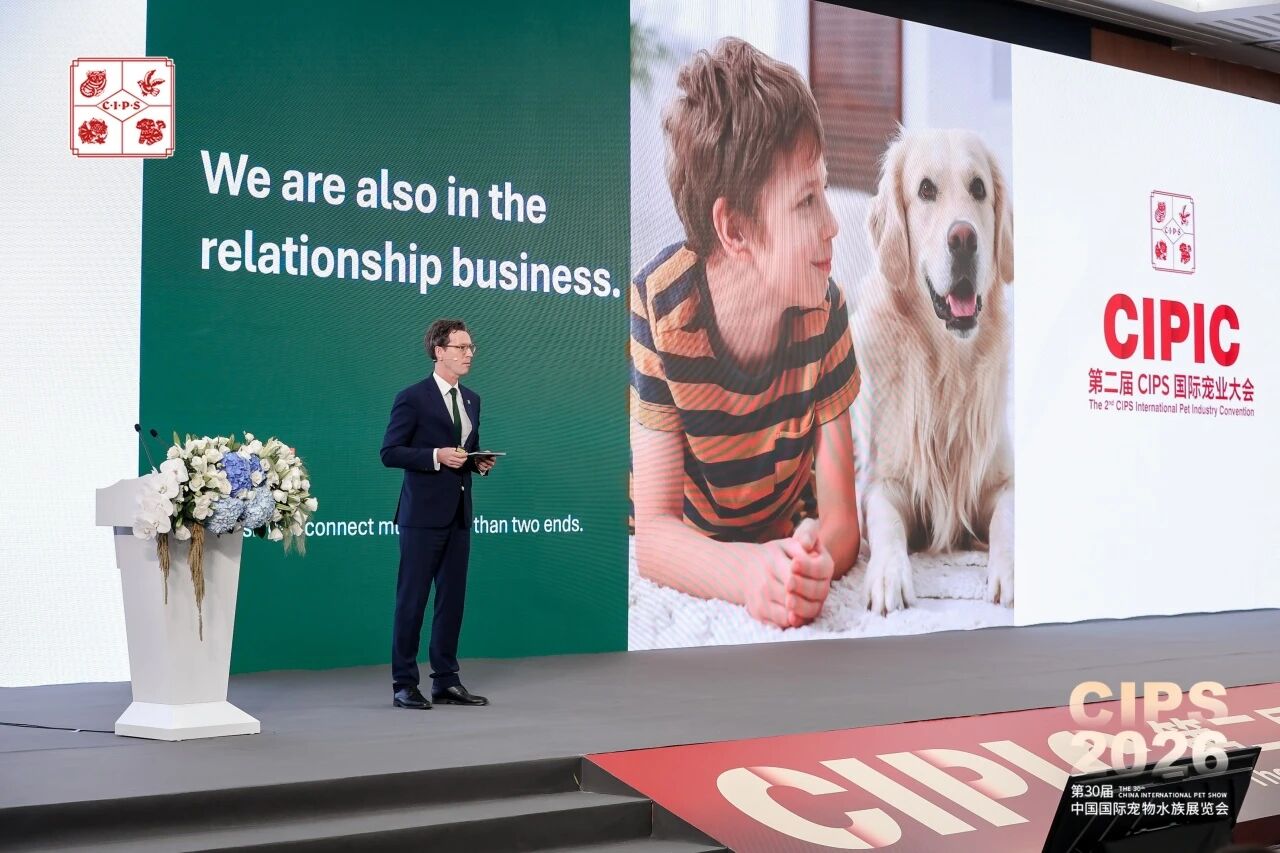
In his view, innovation should not simply mean adding smart features or making products more complex. Its purpose should be to enable animals to live healthier, safer and more appropriate lives. Animal welfare, resource efficiency, supply-chain transparency and biodiversity are therefore shared priorities for the industry’s long-term sustainable development.
Progress should be measured not only by market expansion, but also by the lasting value the industry creates for animals, people and society.
From the wider purpose of the industry to the rules governing markets, responsibility is also reshaping how pet businesses operate around the world.
Svein A. Fosså, President of the European Pet Organization (EPO), explored these issues in his keynote, “The Changing Regulatory Environment in Europe: Implications for the Global Pet Sector,” drawing on European policy developments and market practices.
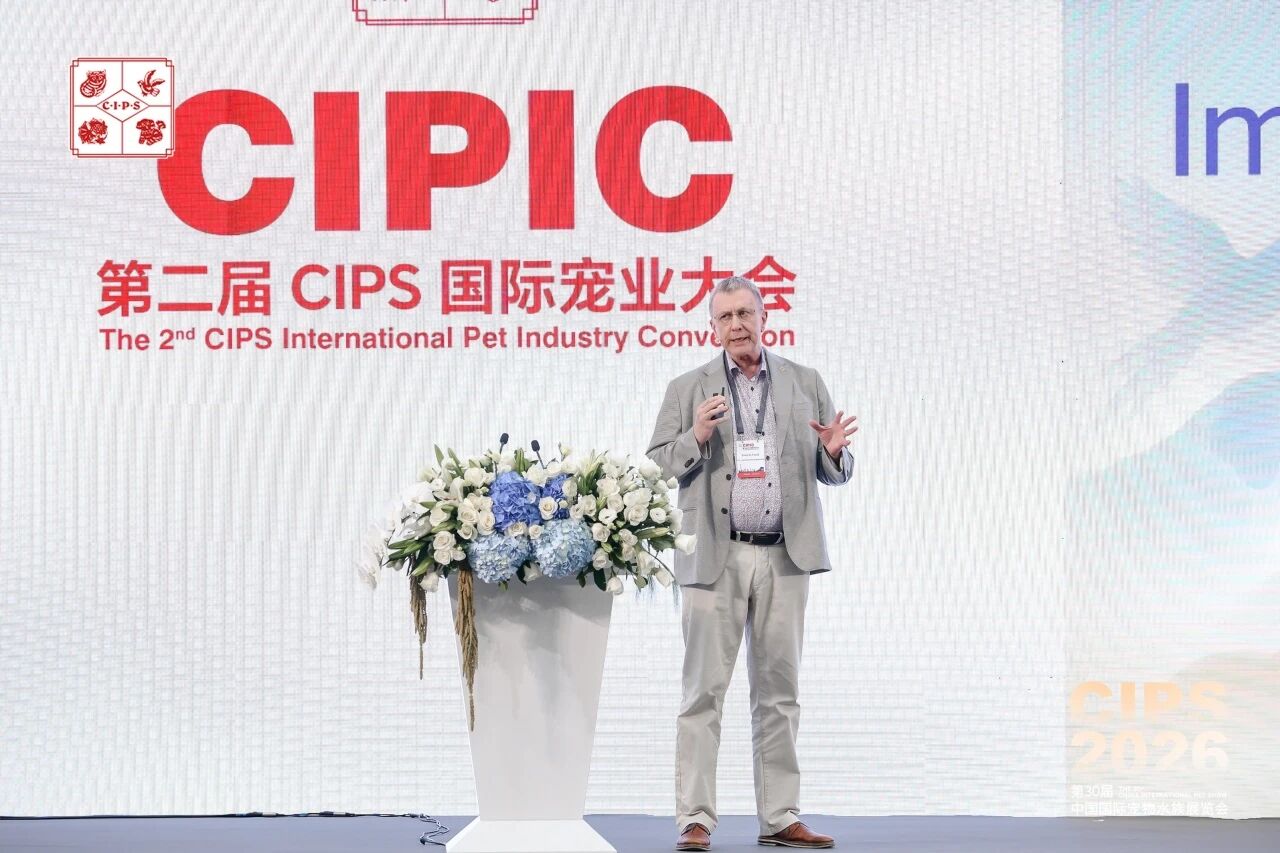
He stressed that European markets are shaped not only by legislation, but also by consumer expectations and public attitudes.
As animal welfare gains greater attention, product safety, living conditions for animals, product suitability, instructions for use and supply-chain traceability are all becoming essential considerations for companies entering European markets.
Through examples of pet-keeping requirements, animal welfare policies and market practices in various European countries, Svein encouraged businesses to understand the practical needs and regulatory differences of their target markets. The fact that a product can enter a local sales channel does not necessarily mean its actual use complies with local requirements.
He also emphasised that effective regulation should be grounded in science and balance animal welfare with practical enforceability. Industry associations, through professional dialogue and international cooperation, have an important role to play in supporting responsible pet keeping and sustainable industry development.
From product development to market entry, and from animal welfare to consumer trust, these discussions highlighted the close relationship between international trade and industry responsibility, offering valuable insights for Chinese companies participating in global markets.
3. From Manufacturing to Retail: How Can the Value Chain Capture the Next Opportunity?
Ultimately, businesses must turn market changes into practical action.
CIPIC 2026 featured three panel discussions, exploring value-chain collaboration, global market growth and innovation in China from different perspectives.
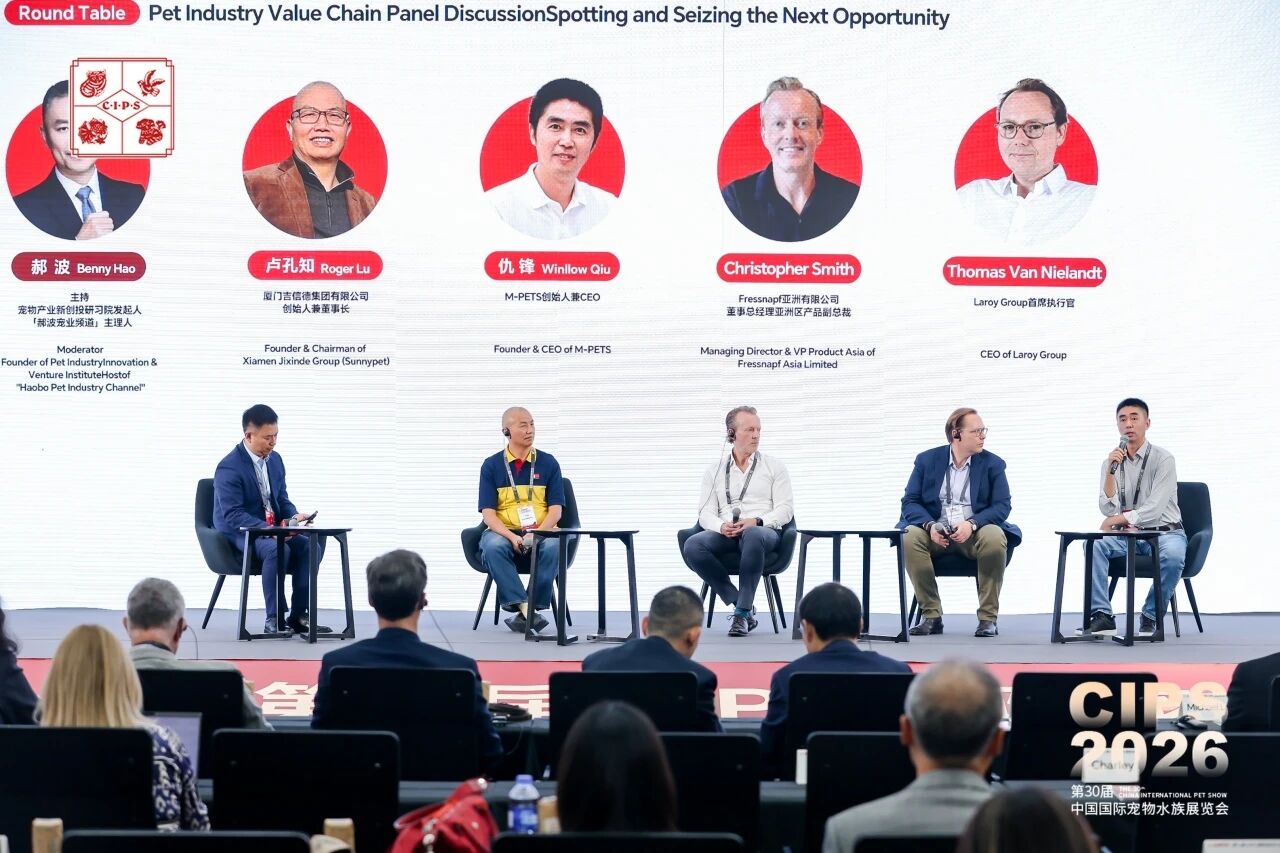
The first session, “Pet Industry Value Chain: Who Will Spot the Next Opportunity, and How Can It Be Seized?”, brought together representatives from Xiamen Jixinde Group (Sunnypet), M-PETS, European pet retail group Fressnapf and Laroy Group. Speaking from the perspectives of manufacturing, branding, distribution and retail, they shared how they see and respond to changes in global markets.
Consumer needs are becoming increasingly diverse. Some markets place a premium on new products and category innovation; others prioritise durability, environmental performance and long-term value; still others are particularly price-sensitive. These differences are prompting businesses to rethink product positioning, brand portfolios and supply-chain management.
For manufacturers, market uncertainty and changing order patterns call for more flexible production and faster responses. Smart manufacturing, flexible production systems and digital management are helping companies improve their supply-chain adaptability.
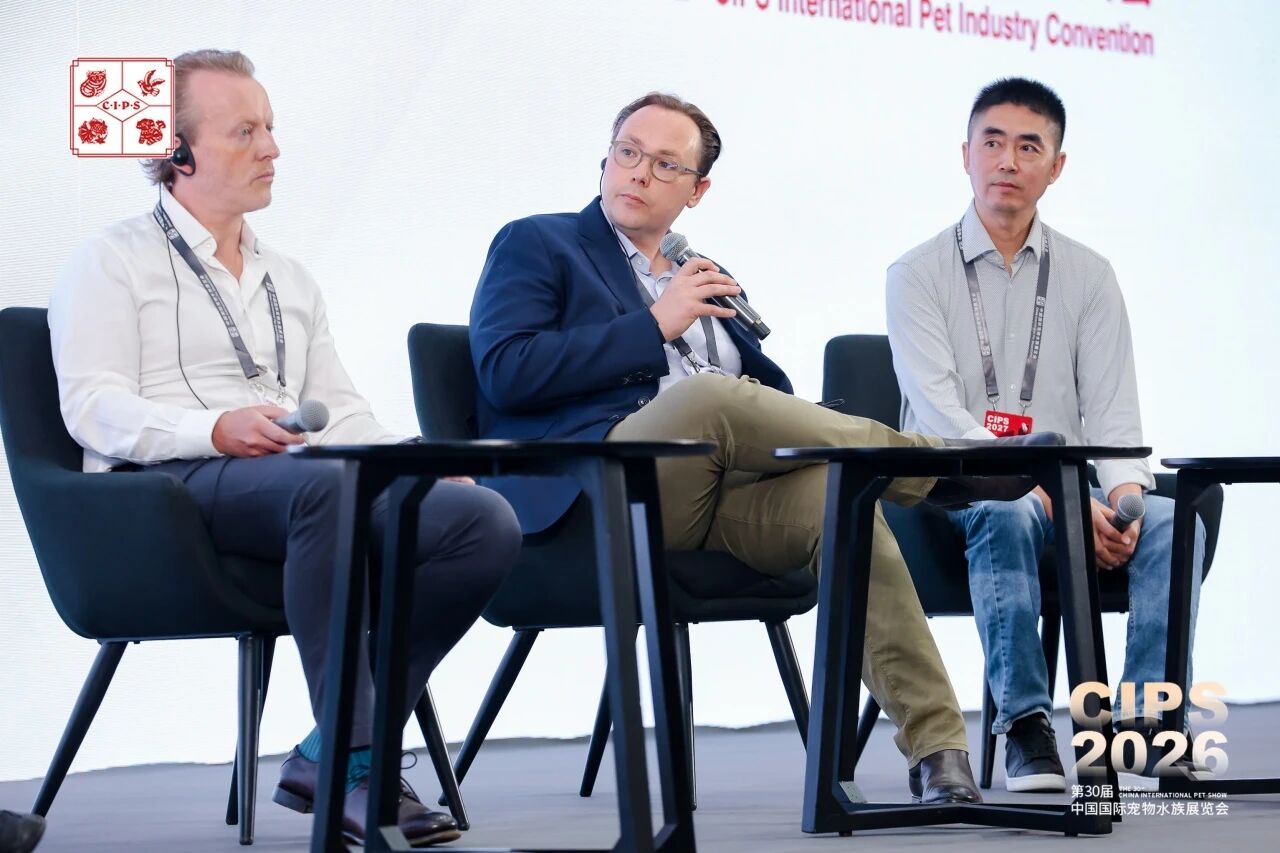
Yet stronger manufacturing capabilities also raise a question about the direction of innovation. As Laroy Group observed during the discussion, as Chinese manufacturing continues to advance, product development is no longer just about whether something can be made, but whether it is genuinely worth bringing to market.
International retailers, meanwhile, are deepening their understanding of consumers, strengthening category planning and the use of data, and exploring closer co-development with suppliers.
Discussions about retailers’ private-label products also examined the relationship between brand value, product innovation and channel partnerships.
As Chinese manufacturers build stronger design and R&D capabilities, international brands and retailers are exploring closer forms of collaboration.
The industry is moving beyond traditional purchasing and order fulfilment towards jointly understanding markets, defining products, conducting R&D and validating market demand. This creates new opportunities for collaboration throughout the value chain.
The discussion also illustrated the potential for deeper partnerships between Chinese manufacturing businesses and global brands and distribution channels.
4. Different Markets, One Question: Where Will the Next Wave of Growth Come From?
While the first panel discussion focused on how companies can respond to change, the second broadened the discussion to markets around the world.
The “Global Markets: Where Will the Next Wave of Growth Come From, and What Will Sustain It?” brought together representatives from the UK’s Pet Industry Federation (PIF), the Thai Pet Product Industries Association (TPIA), the World Pet Association (WPA) and China Gift & Leisure Products Association – Pet Industry Branch to share regional growth drivers and market experience.
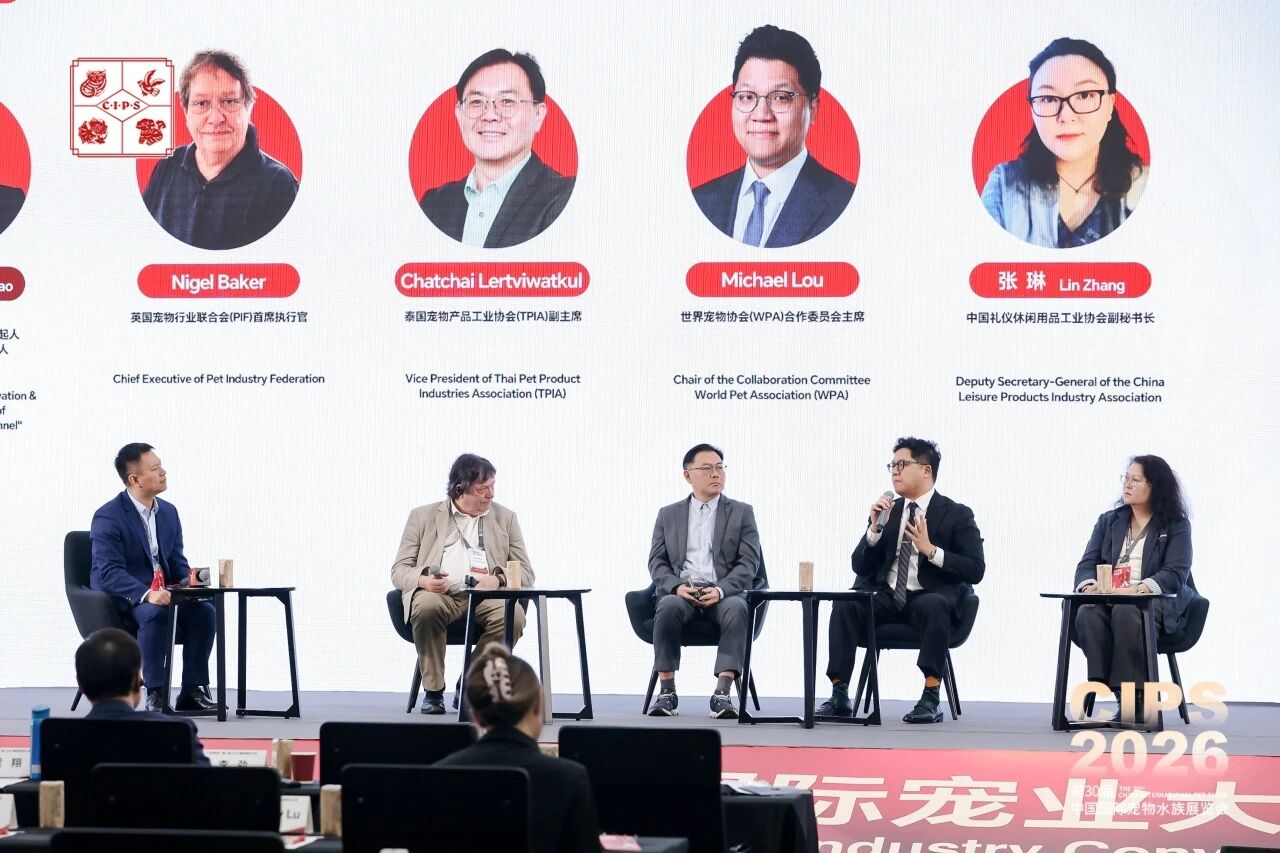
The UK perspective highlighted a new challenge in a mature, multichannel retail environment: consumers have access to an ever-growing range of products, but understanding what distinguishes new offerings and identifying innovation that genuinely adds value is becoming increasingly difficult.
Thailand, by contrast, is seeing growth across several areas. Premium pet food, products for cats, smart pet products, pet-focused events and professional services are all creating new opportunities for consumption.
Discussion of the US market placed greater emphasis on consumer trust and the ways specialist retailers build lasting value through service and community relationships.
In China, growth trends include a younger generation of pet owners, smart pet products, social commerce, professional services and increasingly pet-friendly lifestyles and spaces.
Together, these observations showed that there is no single path to growth for the global pet industry. Mature markets place greater weight on product value, specialist services and customer relationships. Some emerging markets still have room for wider market penetration and category expansion. Technological progress and lifestyle changes continue to generate new consumer needs.
Beyond market growth, participants also discussed cooperation among international industry associations, consumer education, sharing product safety information and exchanges on industry standards.
Market experience differs from one country and region to another. Through dialogue, mutual understanding and cooperation, however, industry partners can identify opportunities more clearly and address shared challenges together.
5. Bringing Chinese Innovation to the Global Stage: Connecting Technology with Real Needs
How can an innovative technology move from concept to practical application? And how can new products and solutions respond to the real needs of people living with pets?
The third CIPIC panel discussion focused on innovation in China’s pet industry. Entrepreneurial teams working in pet health technology, intelligent diagnostics and smart cleaning introduced emerging technologies and products to international industry guests.
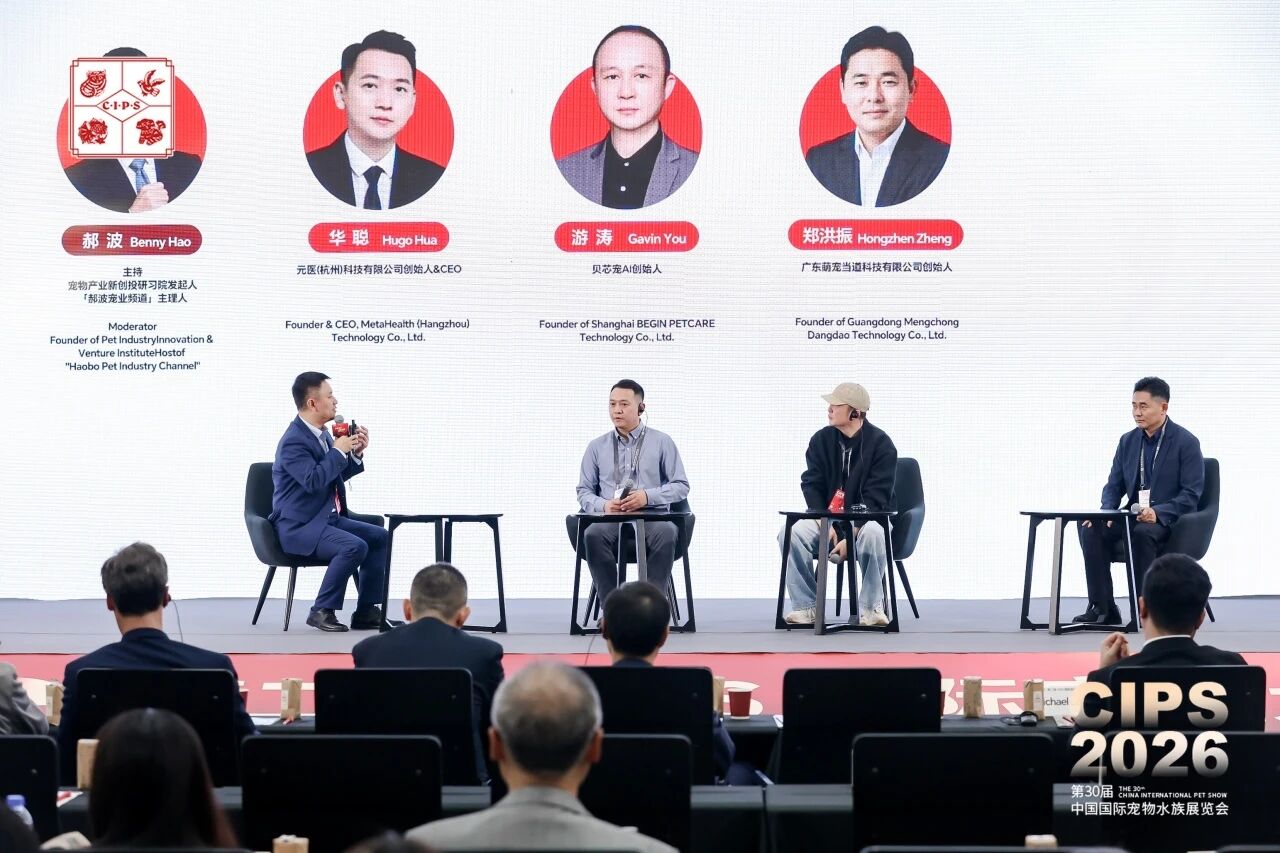
From adapting medical testing technologies to pet healthcare, to AI-assisted diagnosis and home health monitoring, and smart cleaning devices designed to solve everyday challenges in pet ownership, China’s pet industry is attracting expertise and innovation resources from fields such as medicine, communications and digital technology.
Combining these cross-disciplinary technologies with the needs of the pet sector is opening up new possibilities in product development, health management and everyday services.
At the same time, innovation must stand up to market scrutiny.
During the open discussion, international guests raised questions about how innovative products can validate real demand, how their commercial potential can be assessed, and how innovation environments differ between China and Europe.
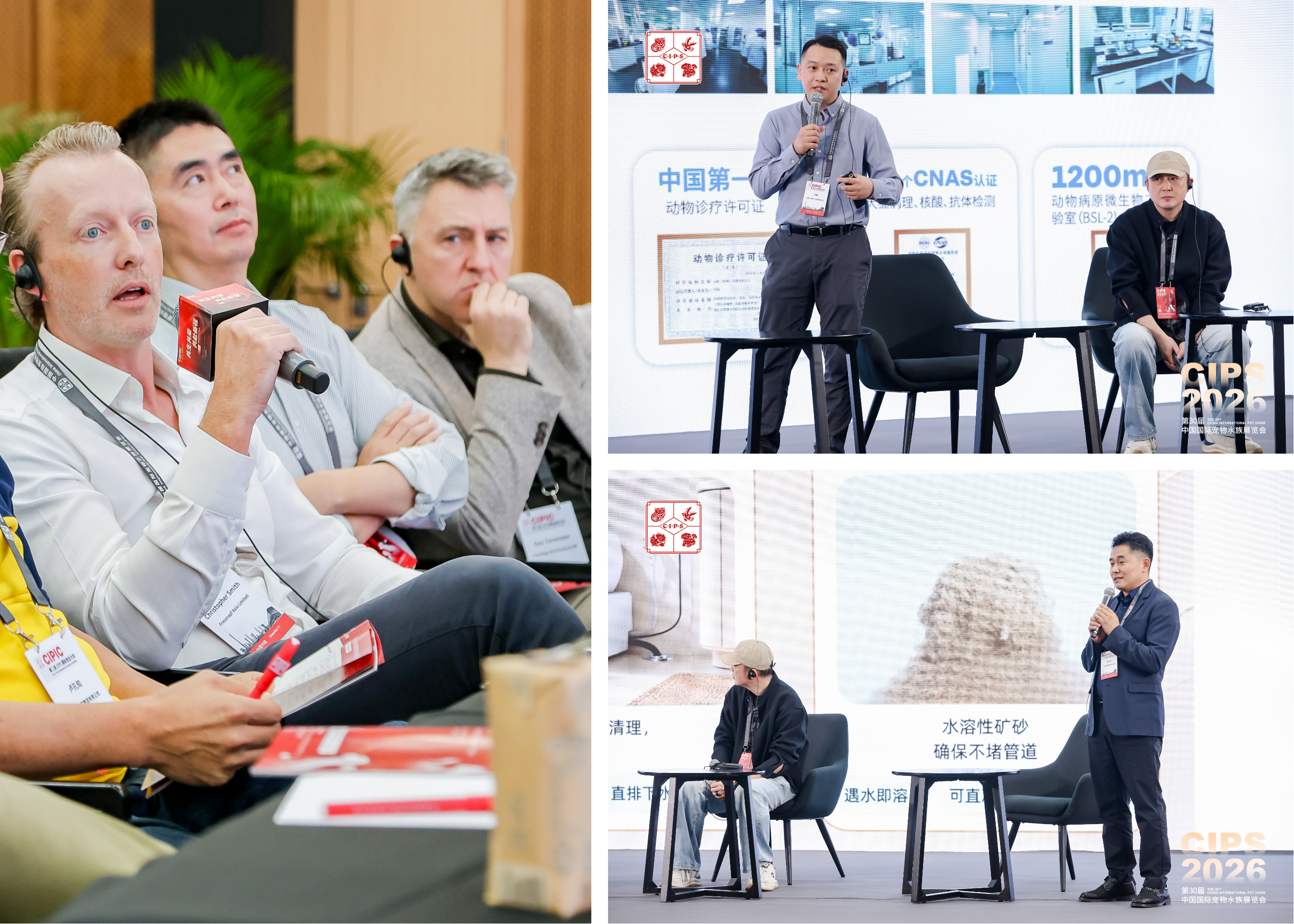
The entrepreneurial teams shared practical experience and reflections on consumer pain points, technology applications, product testing and market validation.
This direct and open exchange turned the session into more than a showcase of new products: it became a substantive conversation among people from different markets and professional backgrounds.
Giving Chinese innovations greater visibility among international industry stakeholders, while bringing international experience into discussions of innovation, is an important part of CIPIC’s efforts to advance global industry exchange.
6. Innovation and Sustainability in Action: Responding to the Industry’s Future
Alongside the professional programme, the convention hosted the award ceremonies for the 2026 CIPS Innovation Award and the Green Pioneer Awards under the 4th “Green Paw Prints, Love for Earth” Sustainable Development Initiative.
Established in 2017, the CIPS Innovation Award has consistently recognised product innovation across the global pet and aquarium industries. This year’s programme received 213 valid entries, covering dogs and cats, small and exotic pets, and aquatics. Following evaluation by a professional jury, VIP buyer reviews and public voting, 19 outstanding products were recognised. From functionality and materials to smart technology and design, the winning products reflected the increasingly diverse directions of innovation across the pet and aquarium sectors.
Meanwhile, 32 companies received Green Pioneer Awards through the 4th “Green Paw Prints, Love for Earth” initiative. The programme continues to highlight businesses’ efforts in environmentally responsible materials, product design, resource use and sustainable operations, encouraging more companies to integrate sustainability into their products and day-to-day business practices.
Innovation and sustainability are not separate pursuits. New technologies, materials and production methods can meet consumer needs while also improving animal welfare, using resources more efficiently and creating long-term product value. By showcasing and recognising innovation and sustainable practices, the convention encouraged more businesses to translate their thinking about the industry’s future into concrete action.
From Guangzhou: Advancing Deeper Dialogue Across the Global Pet Industry
From structural changes in the global pet market to regional drivers of growth; from collaborative innovation among manufacturers, brands and retailers to European regulations, animal welfare and sustainability; and from exchanges of international industry experience to the presentation of Chinese innovations on a global stage — the discussions covered a wide range of issues.
The 2nd CIPIC brought together diverse perspectives from different countries, markets and parts of the value chain to address practical questions facing the global pet industry.
The discussions did not always produce a single, shared answer. Mature and emerging markets follow different growth patterns; manufacturers and retailers face different challenges; and approaches to animal welfare, product requirements and market development vary from country to country. These differences are precisely what makes international dialogue valuable. Sharing market intelligence, exchanging practical experience and understanding different perspectives help industry partners better recognise one another’s needs and discover new directions for cooperation.
In 2026, CIPS reached its 30th edition.
Over nearly three decades, the global pet industry has undergone profound changes, moving from expansion in scale towards greater specialisation, brand development and internationalisation. Chinese pet businesses have likewise expanded their role beyond manufacturing within the global supply chain into product R&D, brand building and technological innovation. At this new stage of development, the industry needs more than trade opportunities: it also needs international platforms where participants can explore market changes in depth, exchange professional knowledge and build long-term trust.
CIPIC continues to explore new possibilities for international industry dialogue in this context.
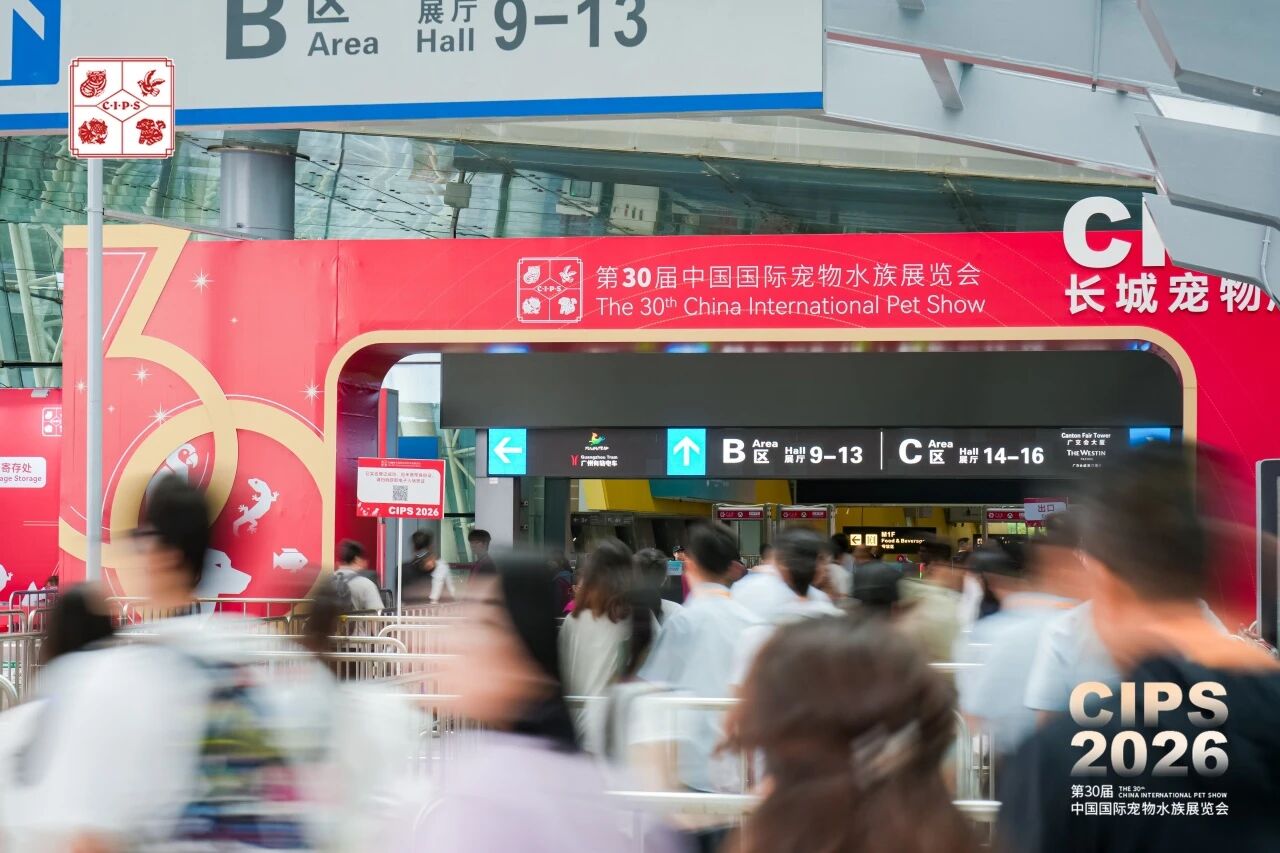
Building understanding through dialogue. Creating value through cooperation.
Although the convention has concluded, many of the ideas raised deserve further discussion. In the period ahead, we will share more professional perspectives, market observations and business practices from CIPIC 2026’s keynote presentations and panel discussions carrying these exchanges beyond the event and into conversations that matter to the industry.
Stay tuned for more in-depth coverage from CIPIC 2026.
[Previous] None
[Next] CIPS 2026 Concludes 30th Edition with Strong International Participation
Copyright © 2008-2026 | China Great Wall International Exhibition Co., Ltd.