 China International Pet Show
New Category Rules Released! 2026 CIPS Global Goldfish Championship to Be Held in Guangzhou
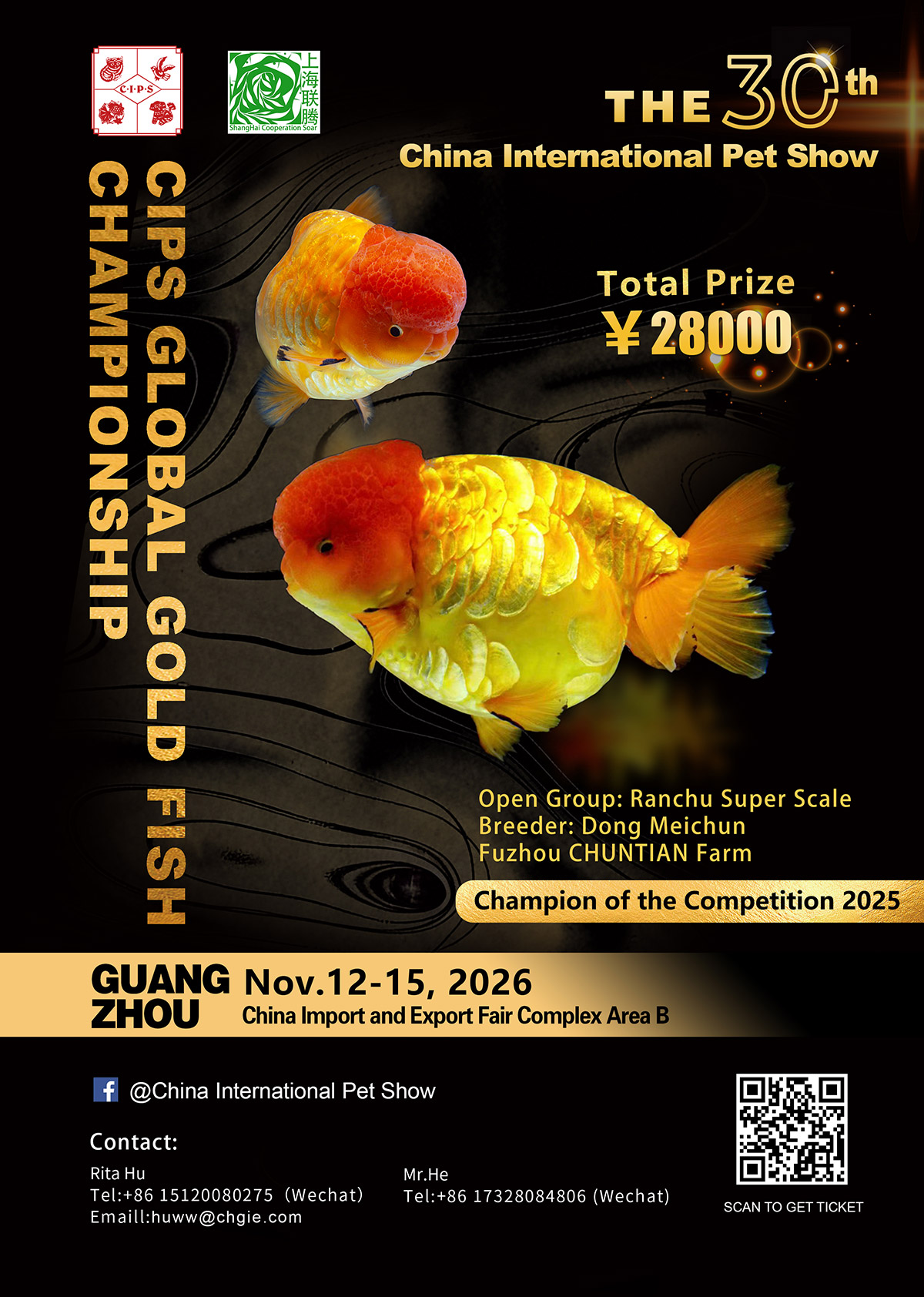
The 30th China International Pet Show (CIPS 2026) will be held at China Import and Export Fair Complex (hereinafter referred to as Canton Fair Complex) in Guangzhou from November 12 to 15, 2026. As a flagship concurrent competition of the show, CIPS Global Goldfish Championship has joined hands again with Shanghai Lianteng Agritourism Professional Cooperative to stage a world-class elite goldfish contest.
The mission of the CIPS Global Goldfish Championship is to promote global awareness of Chinese goldfish and its profound cultural heritage, as well as boost the development of the goldfish breeding industry and cross-border trade. Goldfish represent one of China’s top live ornamental fish export categories. In recent years, Southeast Asian nations have gained strong competitiveness in the global goldfish market thanks to favorable climatic conditions and low breeding costs for mass production. Rigorous, science-backed category divisions not only guarantee fair judging but also serve as an effective channel to showcase Chinese goldfish culture to the world.
This year’s competition has undergone comprehensive upgrades featuring brand-new classification and judging criteria. Enthusiasts and breeders worldwide are warmly invited to compete and gather at this grand event.
Competition Schedule
The contest consists of two stages: online preliminary round and on-site final. Only goldfish that pass preliminary judging will qualify for the on-site final.
October 1 – November 1
Registration opens; participants may submit photos and videos of their goldfish entries.
November 1 – 4
Preliminary judging takes place.
November 4 – 9
Qualifying goldfish are shipped to Guangzhou for the final competition.
November 10
All qualifying fish are transferred to dedicated competition tanks.
November 11
On-site judging session.
November 12
Opening day of the 30th China International Pet Show; final competition results announced.
November 12 – November 15
Award ceremony and public exhibition of winning goldfish.
November 15
Event teardown; winning fish shipped back to respective participants.
Competition Divisions & Judging Standards
The division criteria for the CIPS Global Goldfish Championship are built upon China’s native goldfish classification system, adjusted to align with current market trends and universal recognition among hobbyists. All groupings are defined by measurable, precisely describable external physical traits.
1. China’s Goldfish Classification Framework
Scientific breed classification lays the foundation for systematic goldfish research and industrial development. Standardized biological categorization helps global enthusiasts identify and memorize different goldfish varieties, playing a vital role in promoting Chinese goldfish culture worldwide.
Traditional classification that separates goldfish into four core types—Grass, Dragon, Wen, and Egg—fails to clearly distinguish varieties due to the wide range of variable physical features seen in goldfish. Revised classification standards were published in the Illustrated Handbook of Chinese Goldfish in November 2016. A core rule applies: only heritable stable traits are used for categorization; random, one-off mutations are excluded. The updated system first splits goldfish into two major branches based on the presence or absence of a dorsal fin: Wen-type (with dorsal fin) and Egg-type (without dorsal fin). Subdivisions are then made according to variations in body shape, tail fin, scale texture, head growths, eye form, and nasal bouquets. Specimens carrying multiple distinct stable mutations fall under composite variant categories; such heritable composite specimens are recognized as independent new varieties.
Goldfish exhibit an extensive spectrum of coloration, yet there are no measurable, clear boundaries between color patterns. For this reason, color is not used as a basis for breed classification. Goldfish also hold deep cultural ornamental value in China. Individual fish with unique color markings have long been given poetic, custom monikers in ancient records. These are informal ornamental nicknames, not formal biological breed names—comparable to pet nicknames such as “Lucky” for cats or dogs. While these traditional artistic names carry rich Chinese cultural connotations, they lack universal readability and cannot be accurately translated for global audiences, making them unsuitable for standardized international classification.
The above framework only covers breeds formed by single distinct mutations. When two or more heritable mutations appear on one fish, new composite varieties emerge. Well-known examples include Egg Dragon Pom-pom, Lionhead Dragon-eye, Red-capped Dragon-eye, Dragon-eye Pearlscale, and Crown Dragon-eye Pearlscale. Composite variants vastly outnumber single-trait breeds, and new composite varieties continue to emerge over time.
2. Competition Divisions for 2026 CIPS Global Goldfish Championship
Below are the detailed competition divisions for this tournament. A total of 17 divisions are set for the 2026 CIPS Global Goldfish Championship.
Group 1:Crucian Body Group
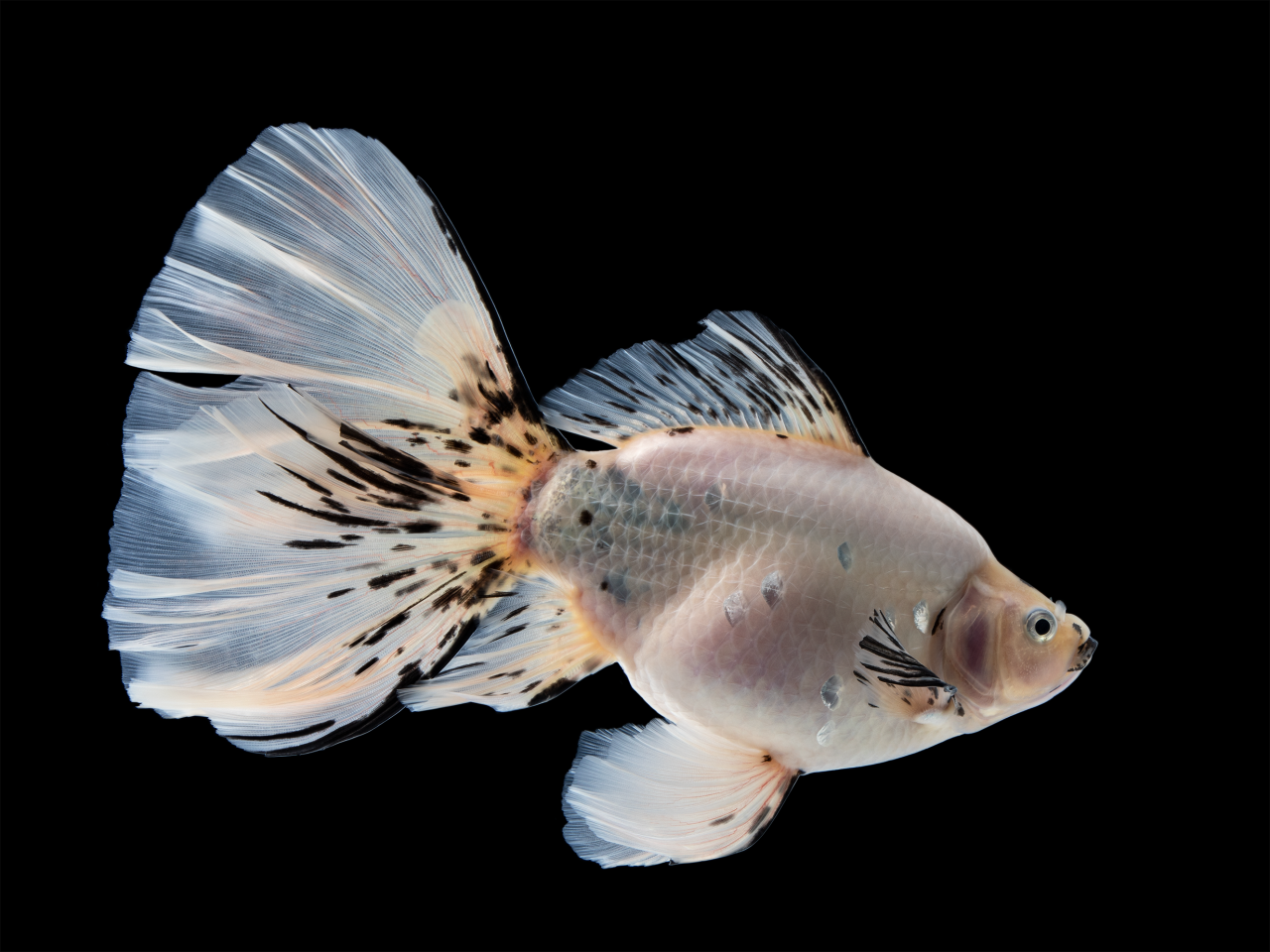
Wen-type goldfish with a carp-like body. Body length is at least 1.5 times body depth and over 3 times body width; single tail or quadruple tails are acceptable. Covers all color variants of Common Goldfish, Wakakin and Jikin.
Group 2:Oranda A Group
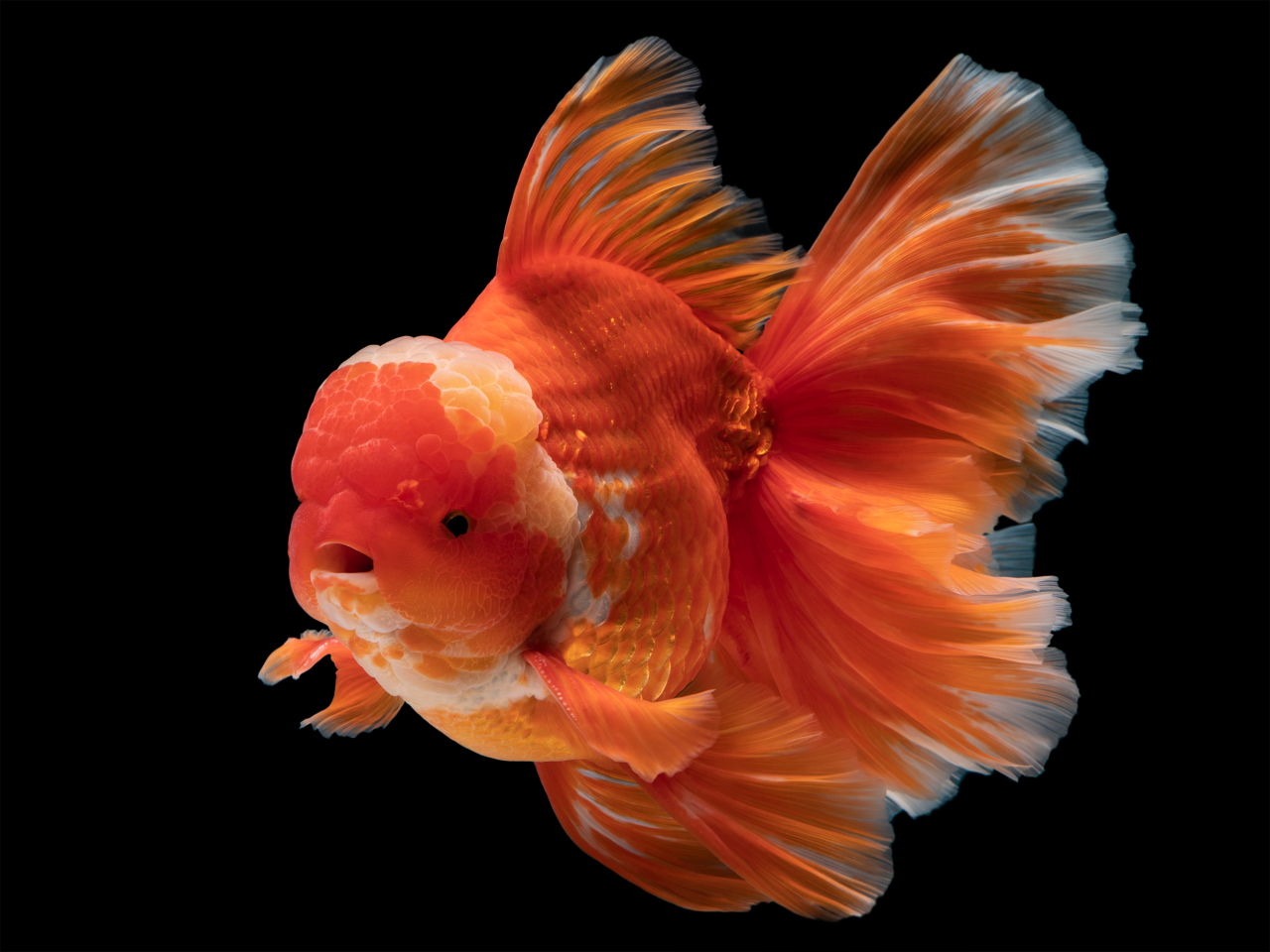
Wen-type goldfish with head growths and quadruple tails, normal opaque scales. All tail lengths and tail shapes are accepted; single-tailed specimens go to the Open Division. Includes solid and bicolor normal-scaled varieties: red, red-and-white, black, blue, purple, black-and-white, blue-and-white, purple-and-white, lavender, etc.
Group 3:Oranda B Group
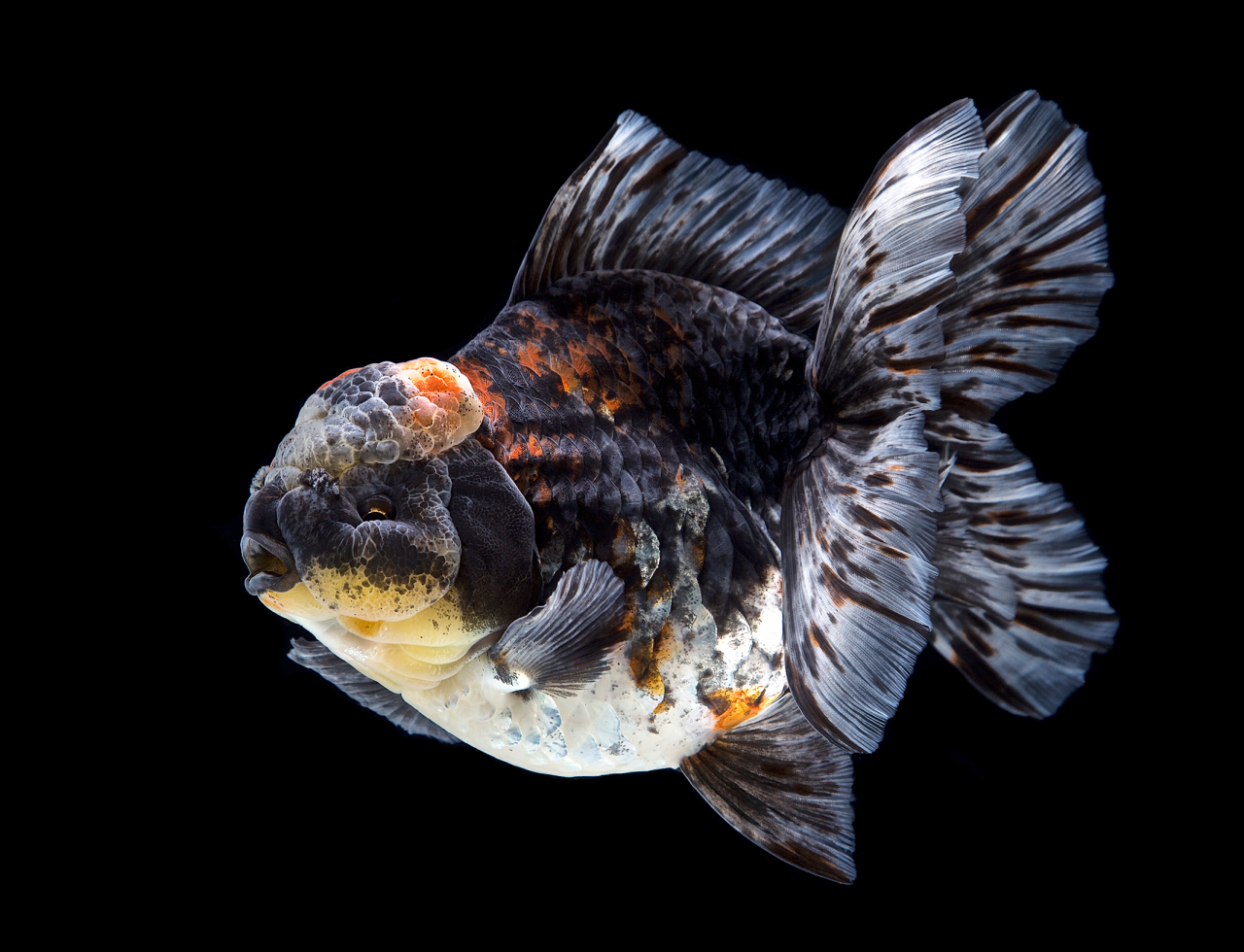
Wen-type goldfish with head growths and quadruple tails, featuring fully transparent, mosaic transparent or net transparent scales. All tail lengths and tail shapes are accepted; single-tailed specimens go to the Open Division. Covers glass scales and metallic shimmer scales in all color patterns: red, red-and-white, black, calico, sakura, ink wash mottling, and more.
Group 4:Ryukin Group
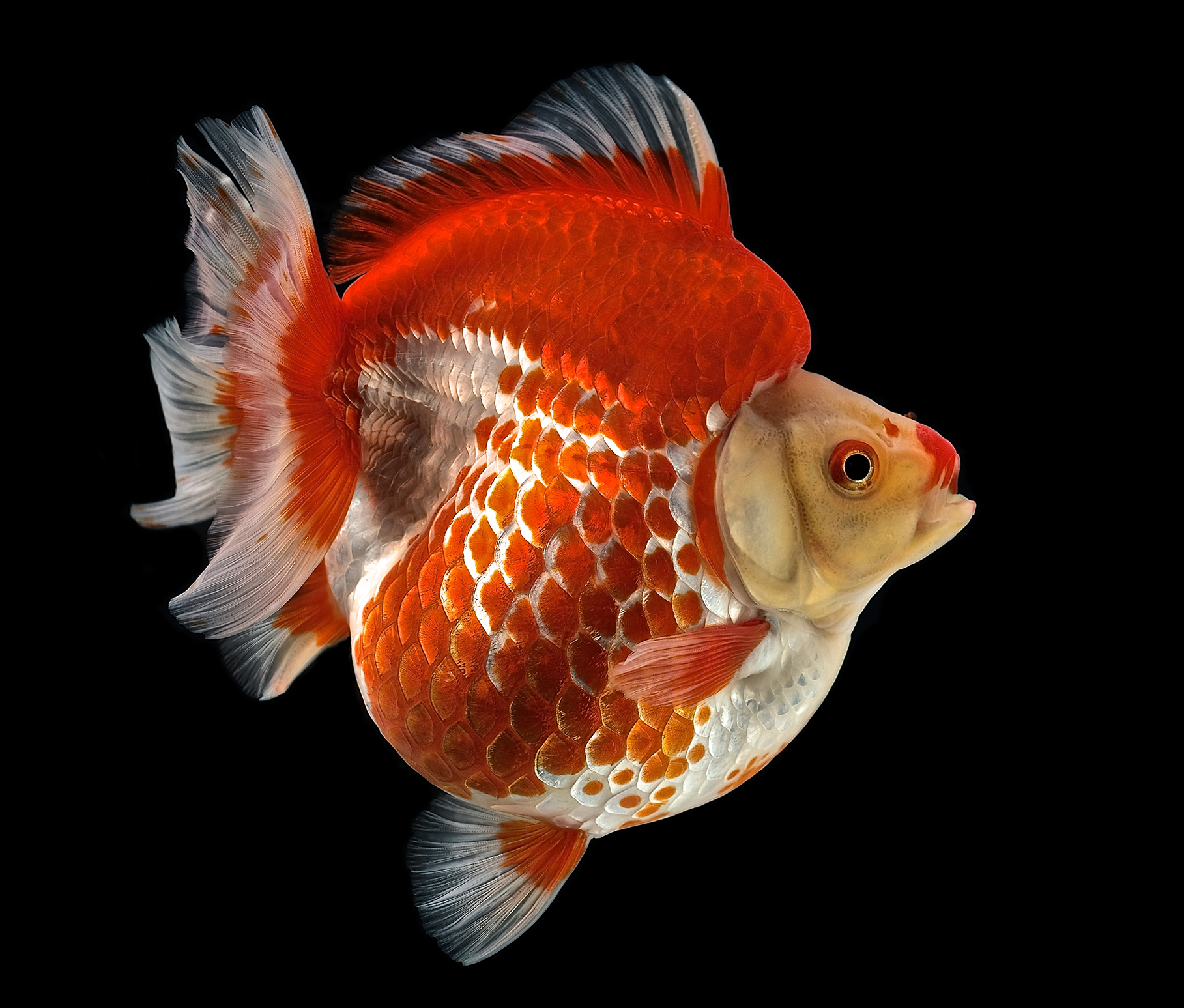
Wen-type goldfish with head growths and quadruple tails, featuring fully transparent, mosaic transparent or net transparent scales. All tail lengths and tail shapes are accepted; single-tailed specimens go to the Open Division. Covers glass scales and metallic shimmer scales in all color patterns: red, red-and-white, black, calico, sakura, ink wash mottling, and more.
Group 5:Crane Group
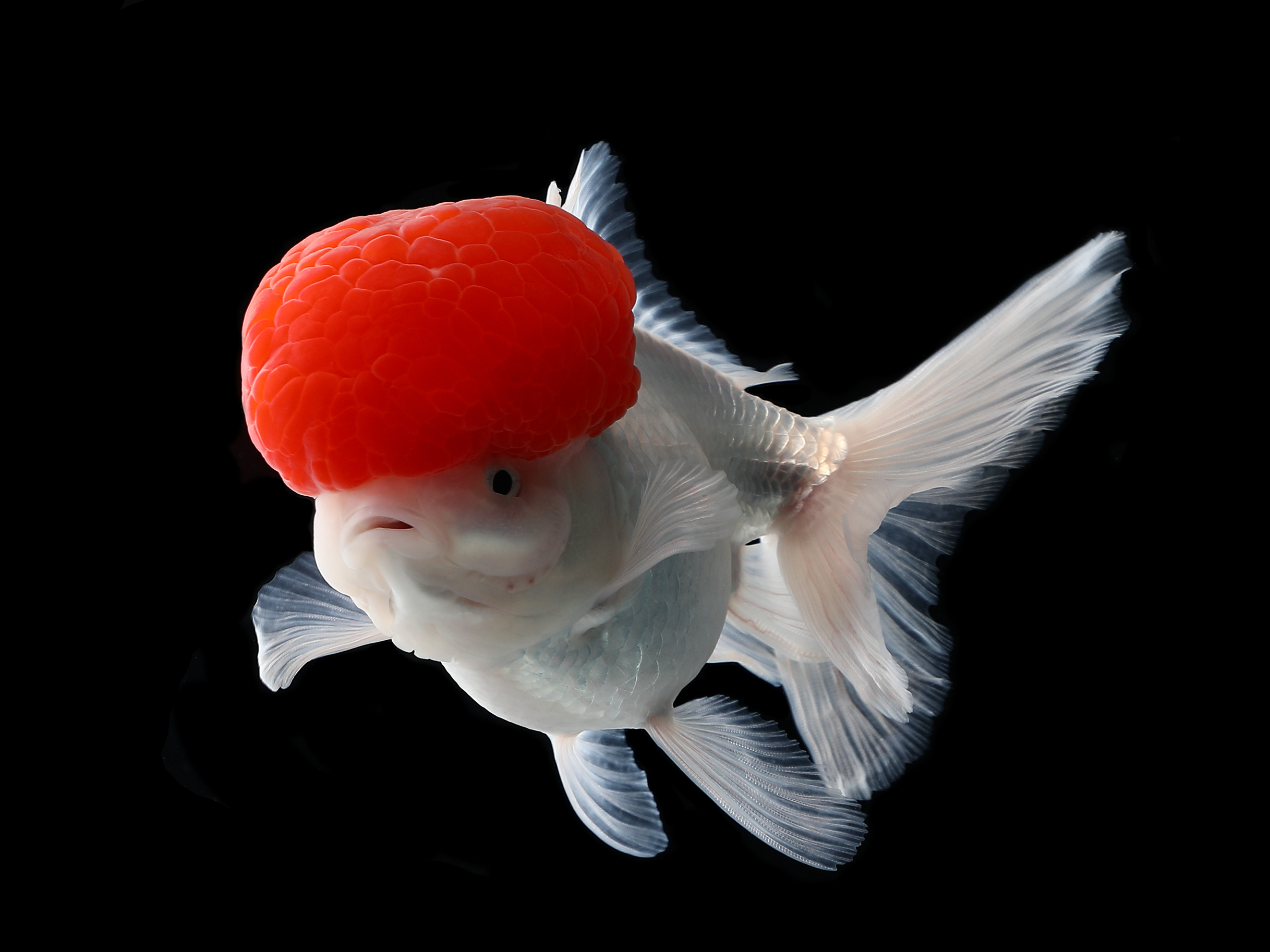
Wen-type goldfish with head growths, standard opaque scales and quadruple tails, defined by a bright red head growth atop a pure white body. This division includes standard Red-Cap Oranda and Red-Cap Telescope Eye Oranda.
Group 6:Telescope-Eyes Group
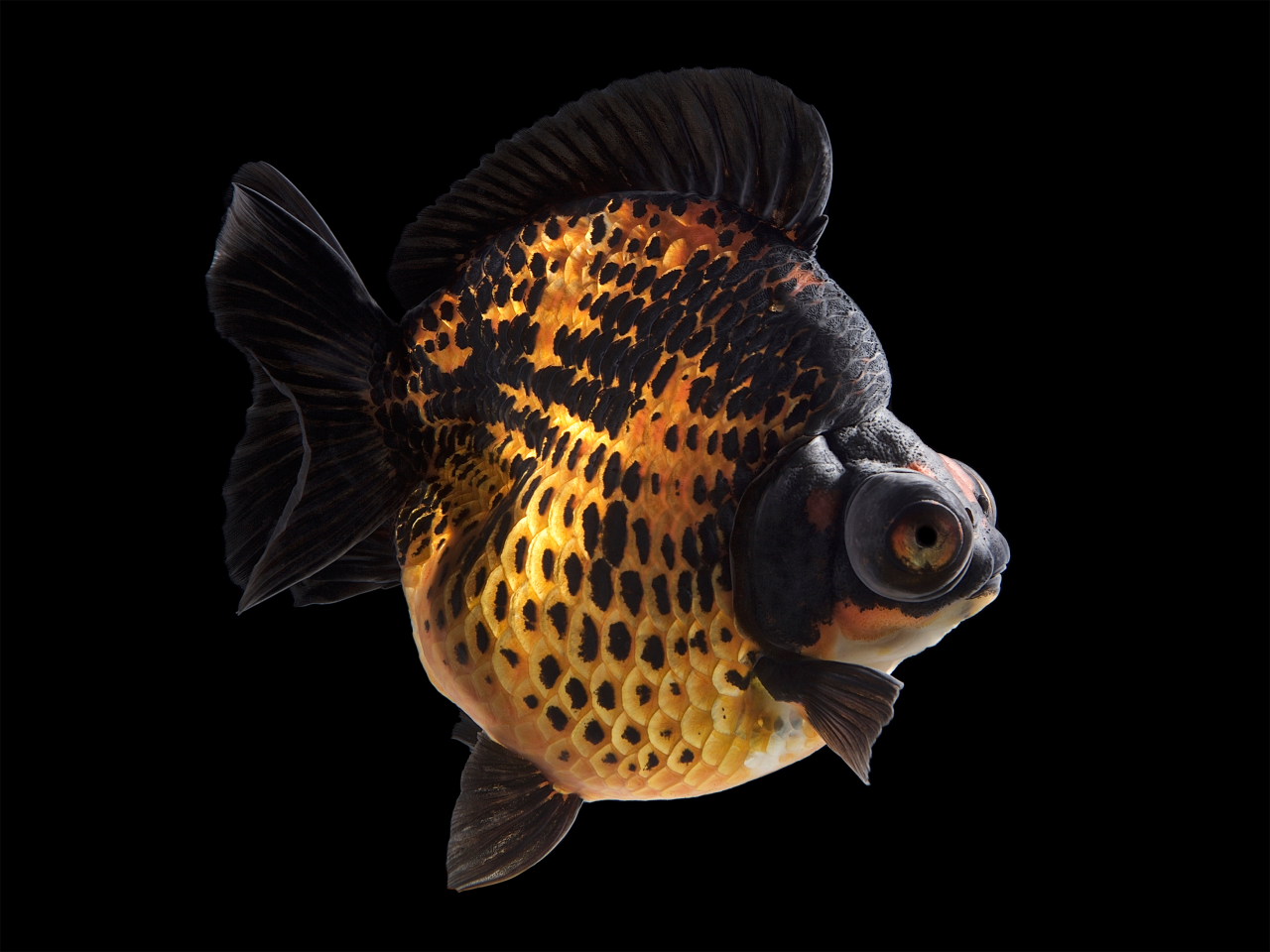
Wen-type goldfish with protruding telescope eyes and quadruple tails, all colors and body shapes excluding Butterfly Telescope Eye. Classification boundaries between this division and Butterfly Telescope Eye are specified under the Butterfly Telescope Eye section. Telescope Eye Pearlscale, Crown Telescope Eye Pearlscale, Red-Cap Telescope Eye and Telescope Eye Pom-pom are allocated to the Pearlscale, Red-Cap Oranda, Pom-pom and Open Divisions respectively.
Group 7:Butterfly A Group
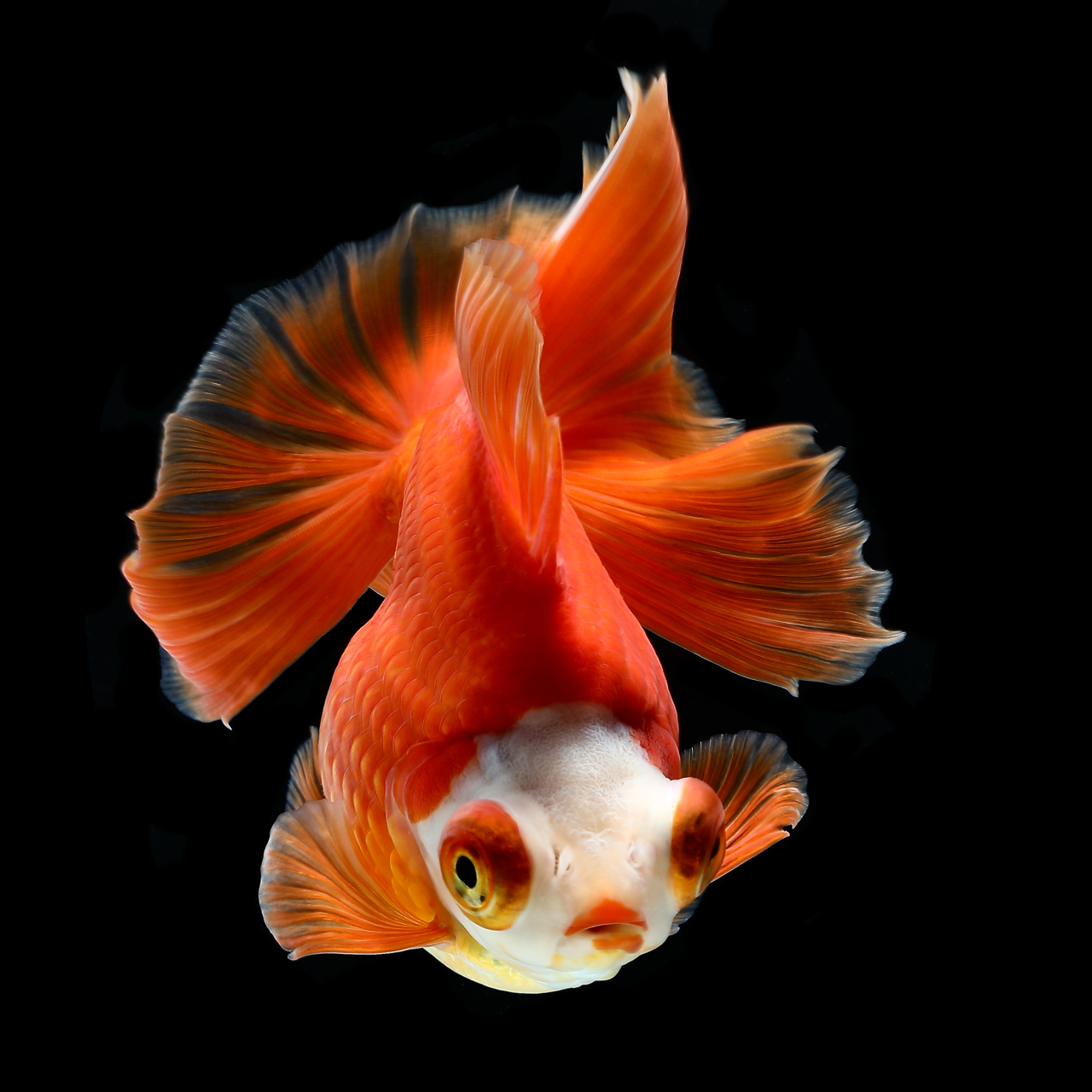
Wen-type goldfish without head growths, telescope eyes, quadruple tails and standard opaque scales. The bony ray of the caudal fin forms an angle of ≤90° against the fish’s longitudinal body axis. Includes normal opaque-scaled varieties: red, red-and-white, black, blue, purple, black-and-white, blue-and-white, purple-and-white, lavender, etc.
Group 8:Butterfly B Group
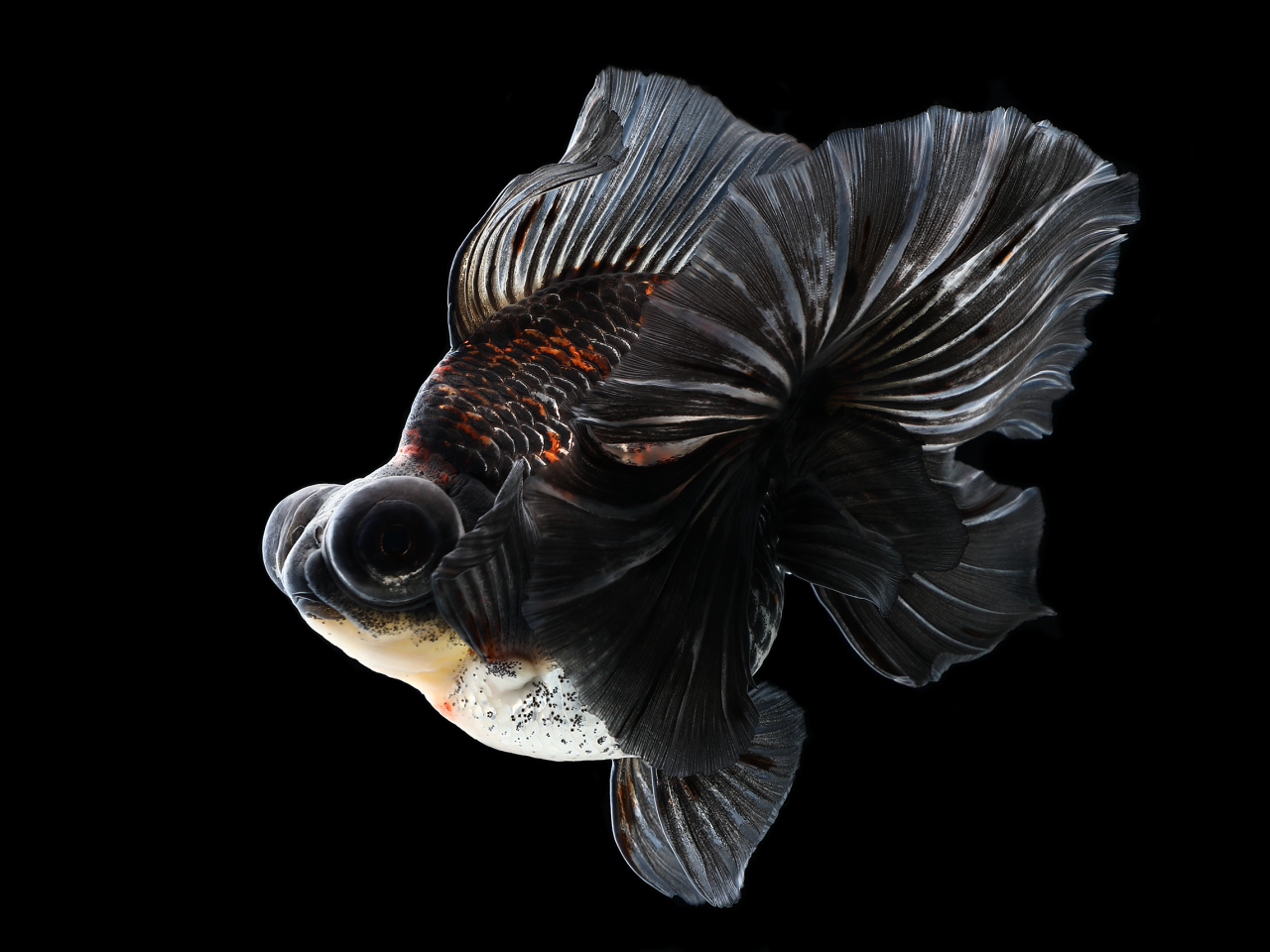
Wen-type goldfish without head growths, telescope eyes and quadruple tails, with fully transparent, mosaic transparent or net transparent scales. The bony ray of the caudal fin forms an angle of ≤90° against the fish’s longitudinal body axis. Covers glass and shimmer scales in red, red-and-white, black, calico, sakura, ink wash mottling and other patterns.
Group 9:Pearl Scale Group
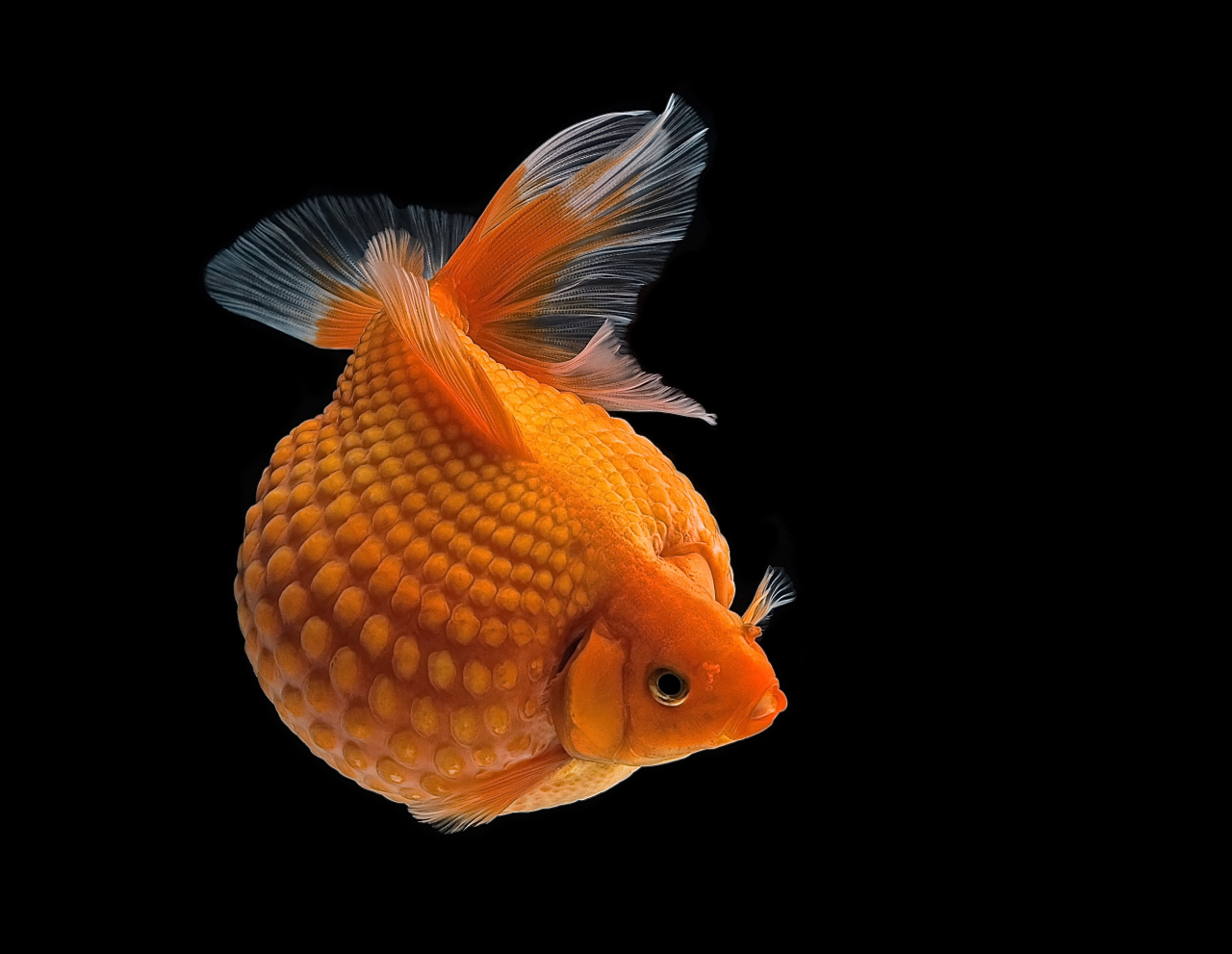
Wen-type goldfish covered in distinctive pearl-shaped raised scales with quadruple tails. Encompasses all color variants of Wen-type Pearl Scale, Crown Pearl Scale, Telescope Eye Pearl Scale and Crown Telescope Eye Pearl Scale.
Group 10:Ranchu A Group
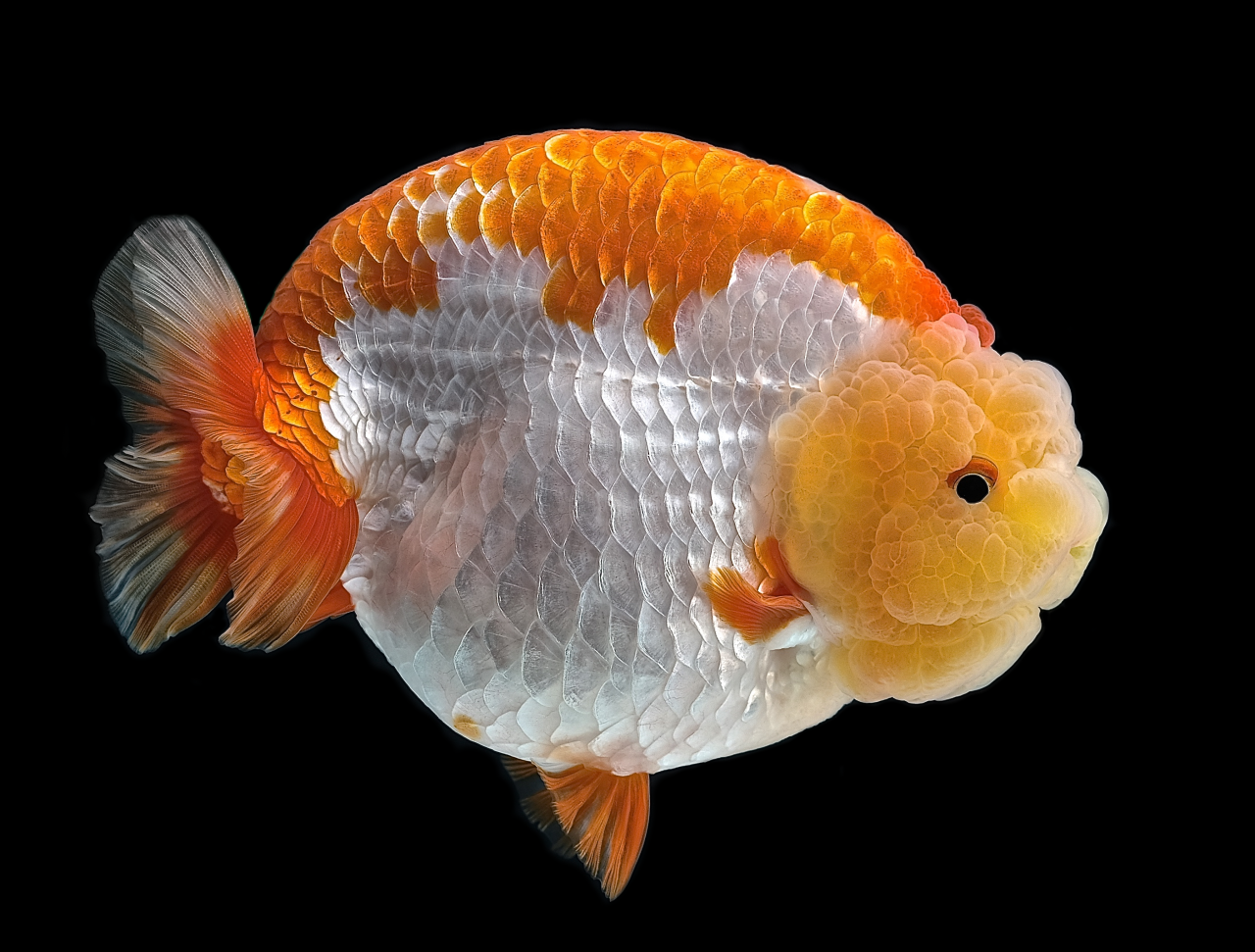
Egg-type goldfish with head growths, classic arched Ranchu back, short quadruple tails and standard opaque scales. All normal opaque-scaled color morphs are accepted: red, red-and-white, black, blue, purple, black-and-white, blue-and-white, purple-and-white, lavender, etc.
Flagtail, shark-back, long-tailed and broad-tailed Ranchu are placed in the Open Division.
Group 11:Ranchu B Group
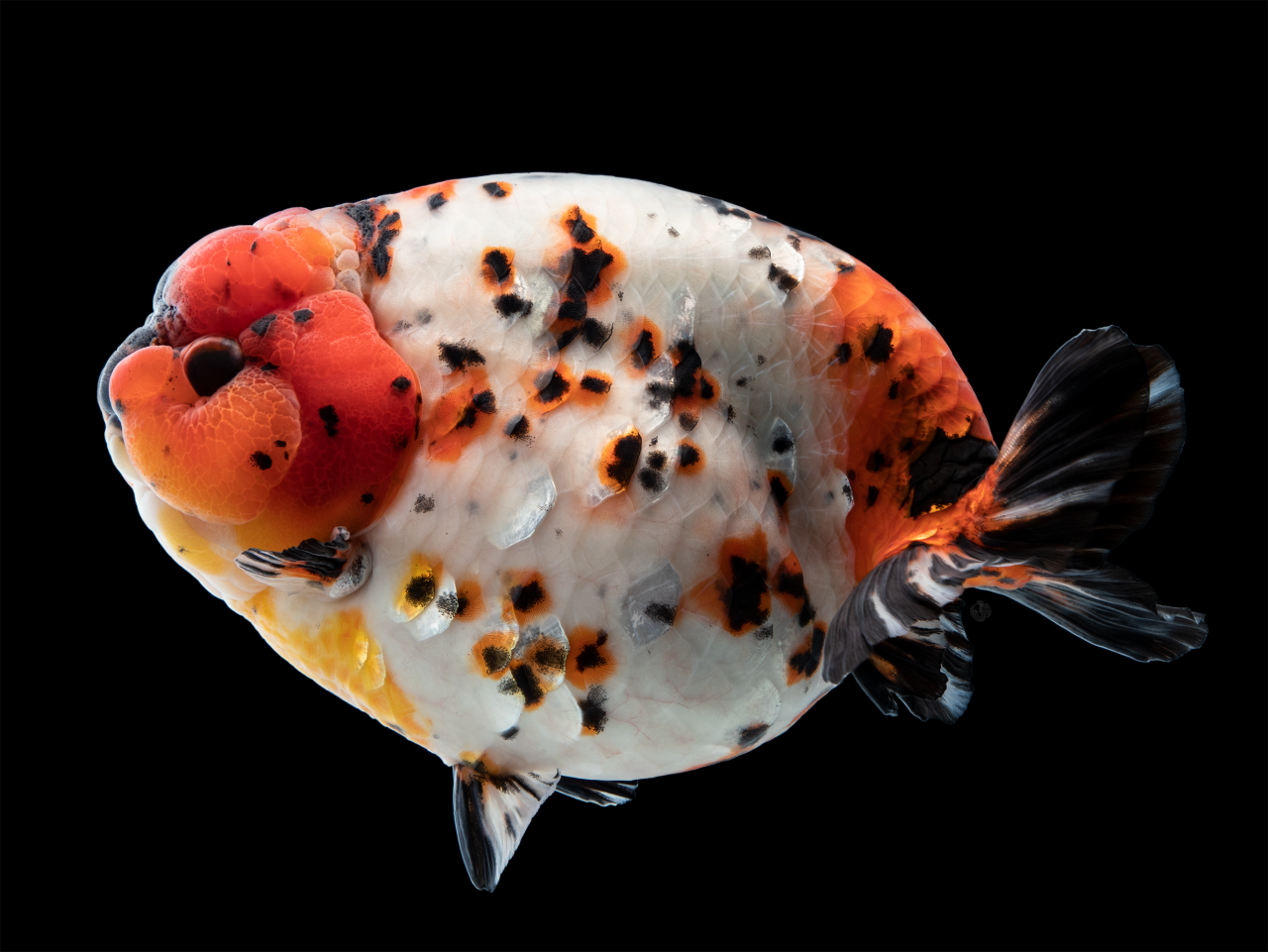
Egg-type goldfish with head growths, classic arched Ranchu back, short quadruple tails and fully transparent / mosaic transparent / net transparent scales. Covers glass and shimmer scales in red, red-and-white, black, calico, sakura, ink wash mottling and more. Flagtail, shark-back, long-tailed and broad-tailed Ranchu compete in the Open Division.
Group 12:Bubble Eyes Group
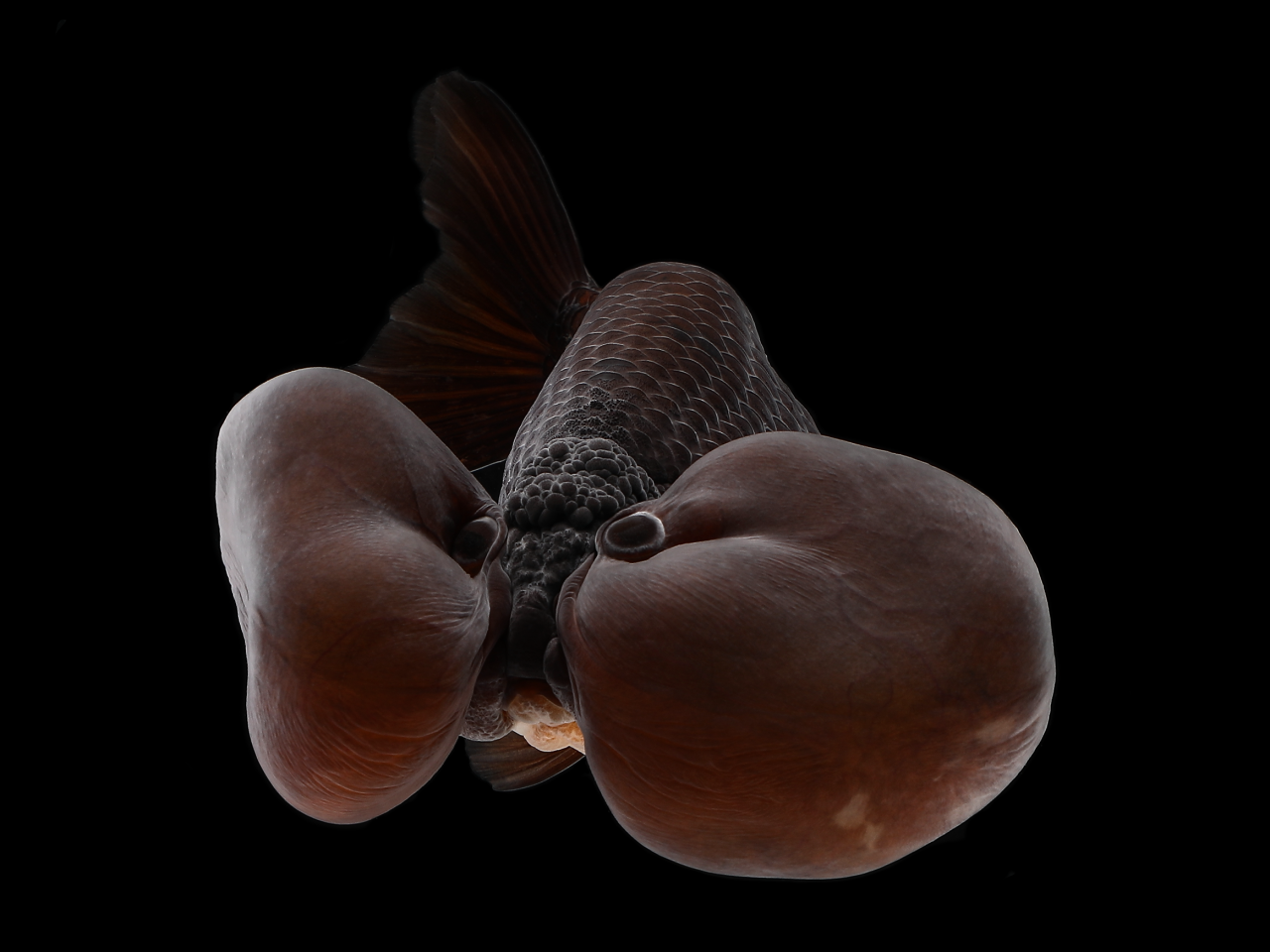
Egg-type goldfish with fluid-filled eye sacs and quadruple tails, all colorations and tail shapes. Froghead Bubble Eye and flagtail Bubble Eye are included here.
Group 13:Tiger Group
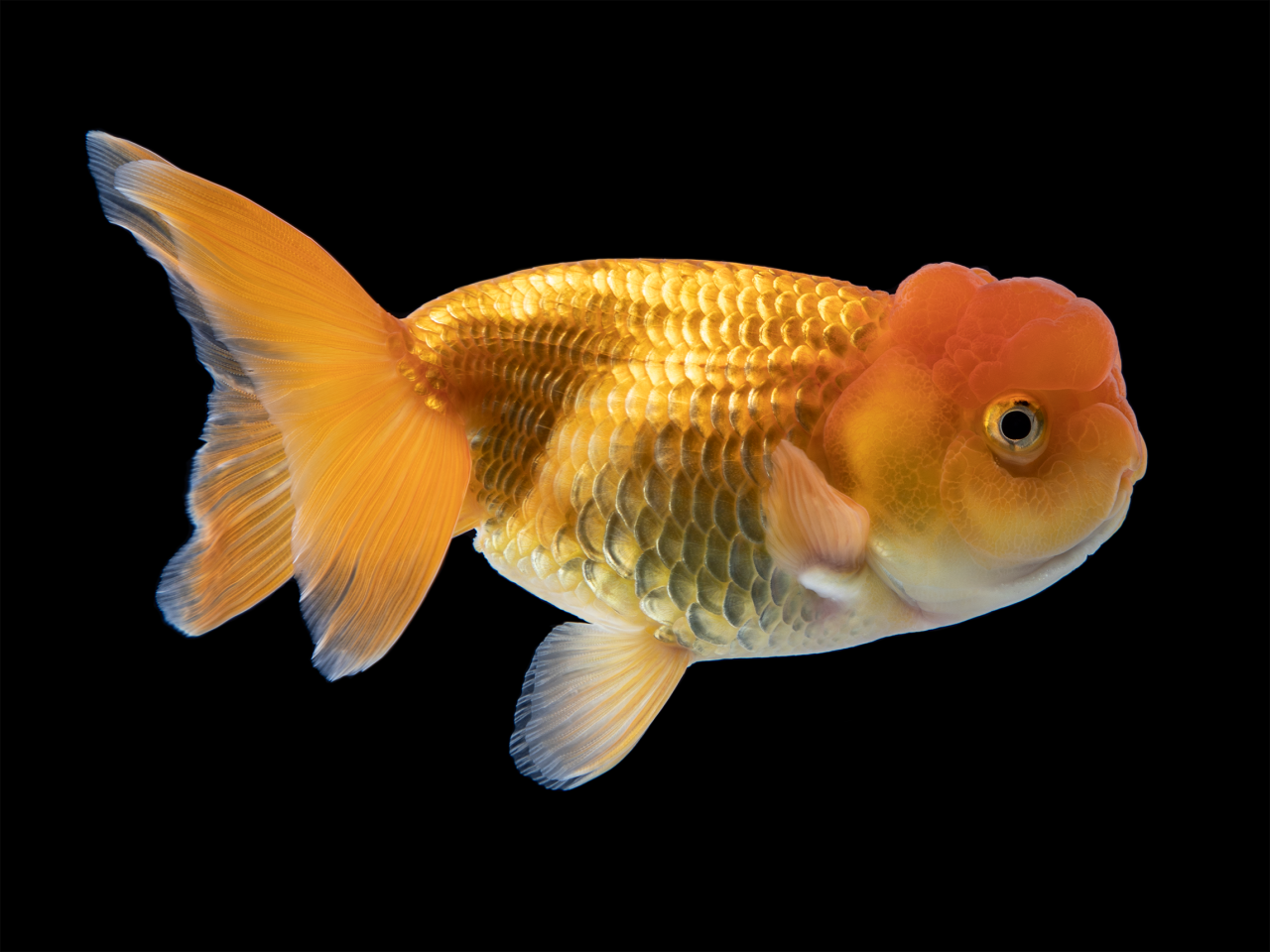
Egg-type goldfish with head growths, flat or slightly arched tiger-head back and quadruple tails. All color variants of Tiger Head, Shouxing, Red-Capped Tiger, Wangzi Tiger and Maoshi Cat Lionhead fall within this division.
Group 14:Phoenix Group
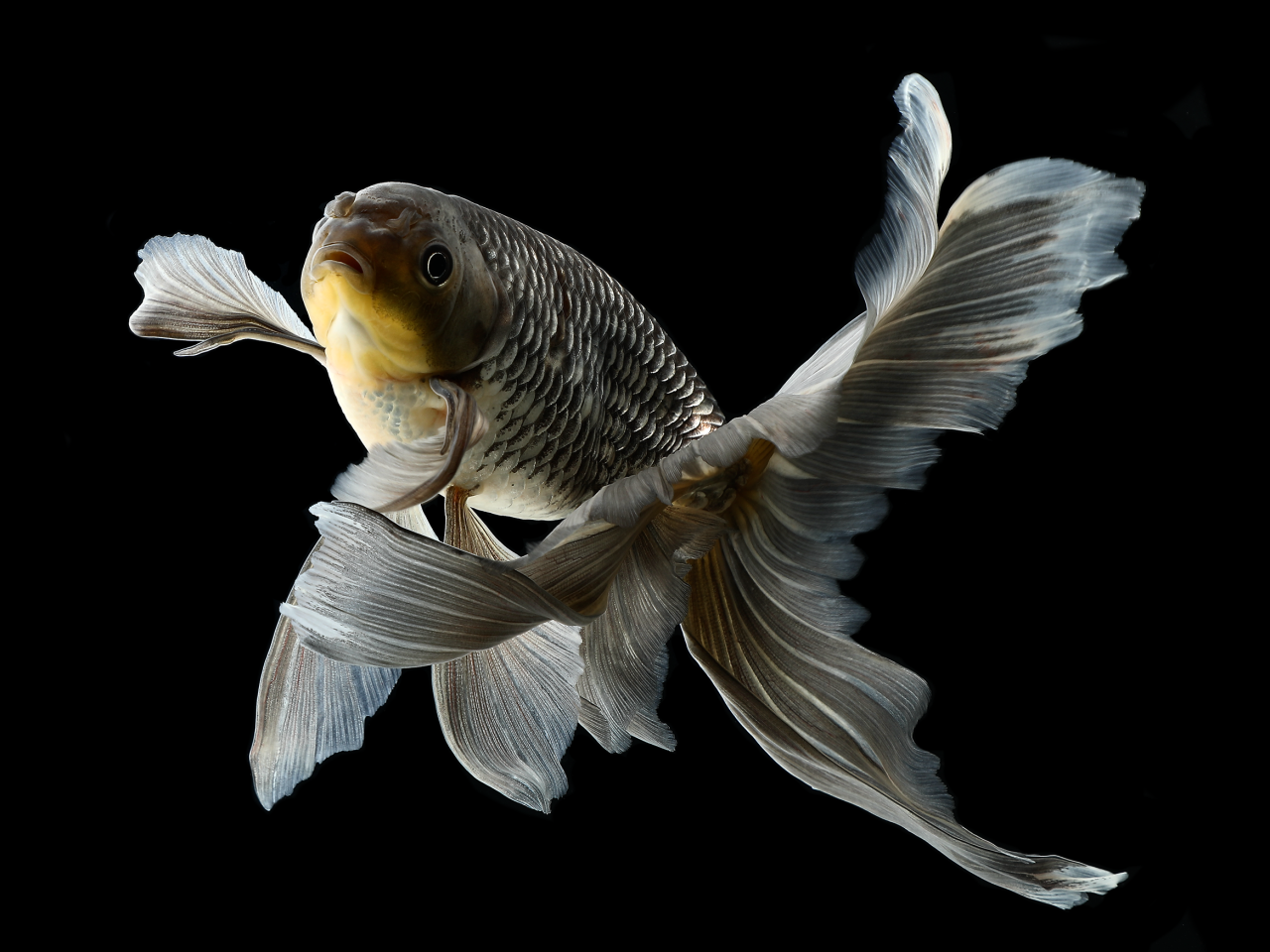
Egg-type goldfish without head growths, defined by exceptionally long flowing phoenix tails, all color varieties. Pom-pom Phoenix are also placed in this group.
Group 15:Goose Group
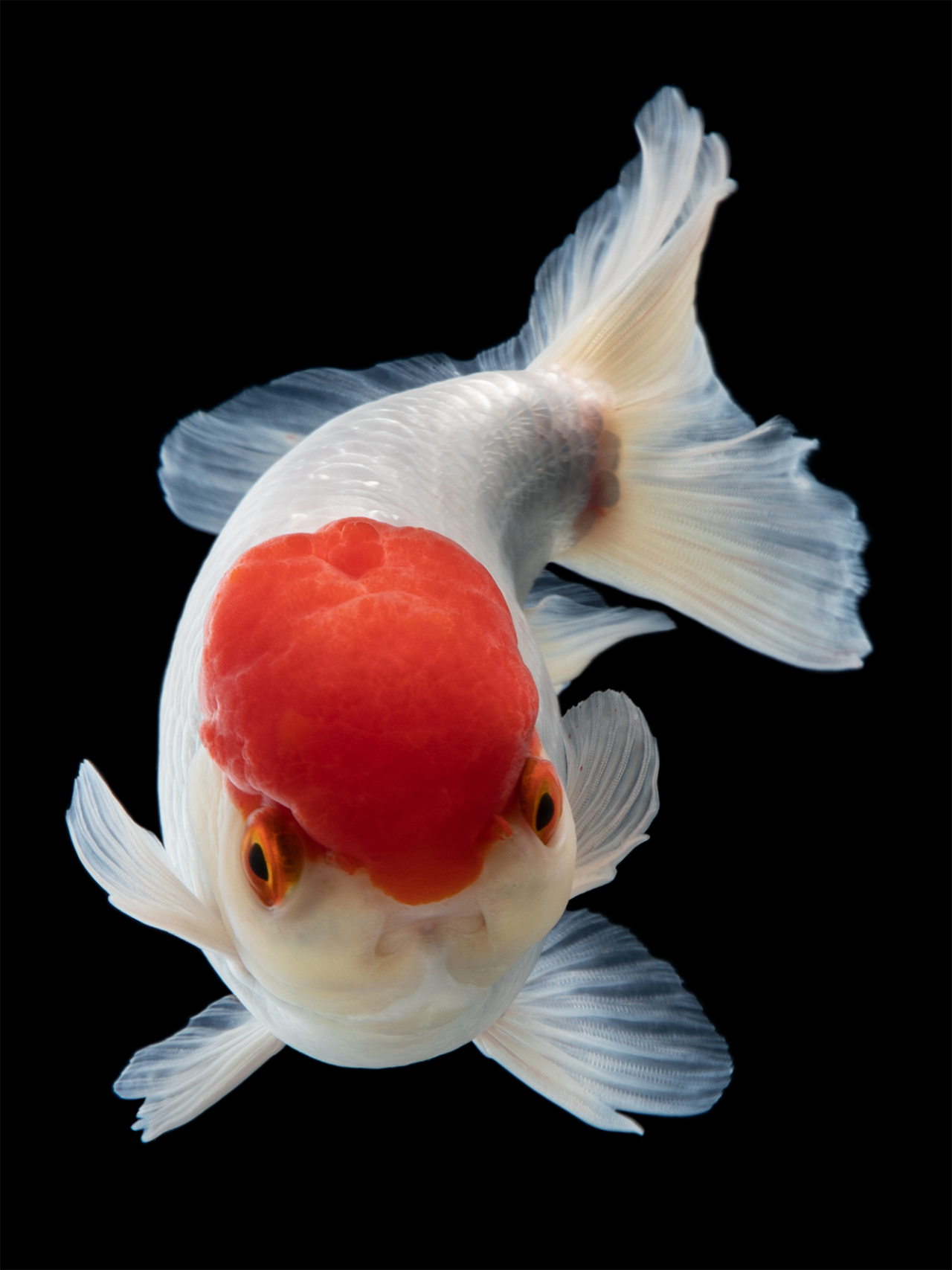
Egg-type goldfish with distinctive goose-shaped head growths, solid red head growth on a pure white body, flat or slightly arched back and quadruple tails.
Group 16:Pompons Group
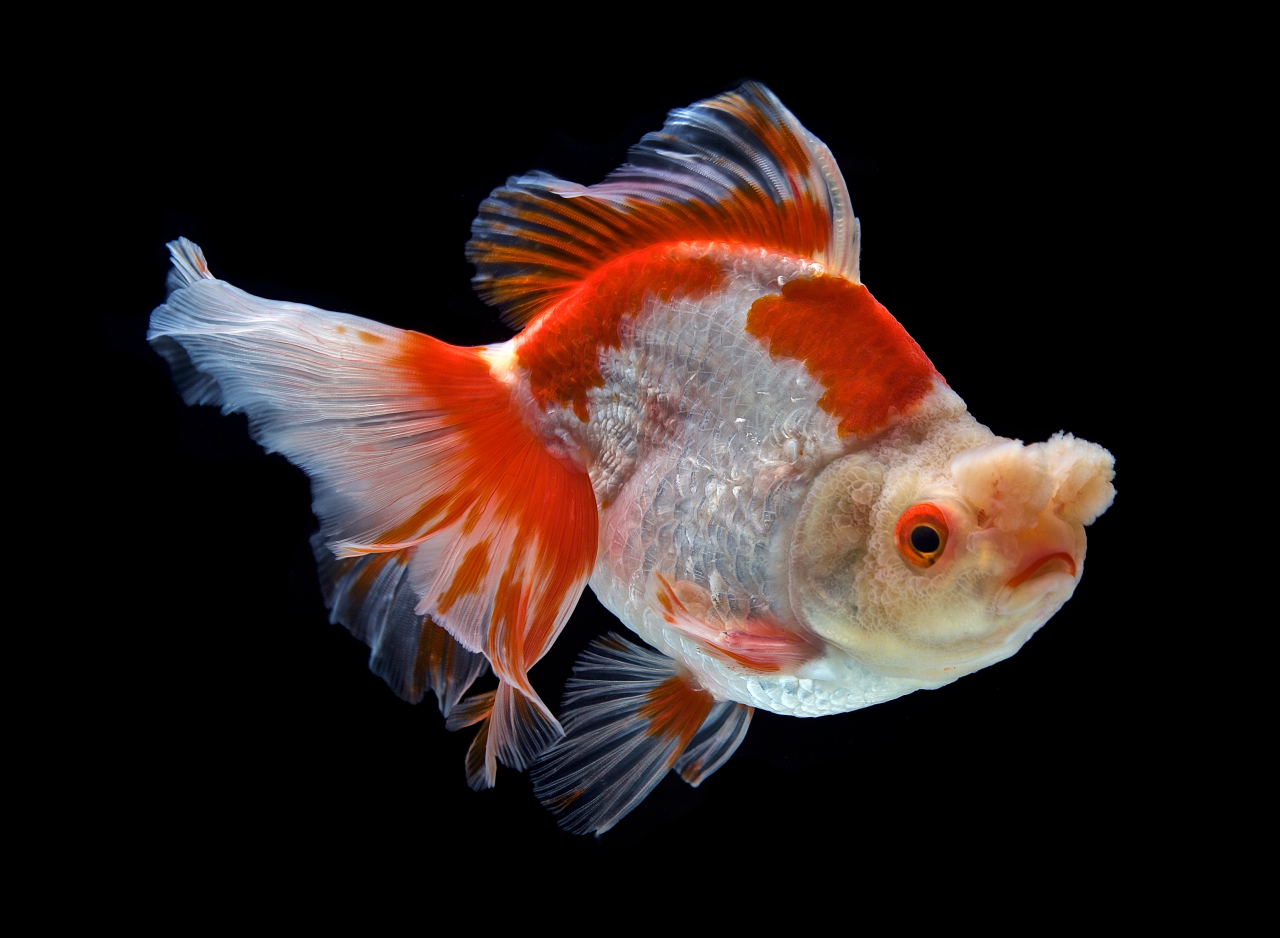
Either Wen-type or Egg-type goldfish with nasal membranes modified into fluffy pom-pom growths. Covers all pom-pom varieties including Wen Pom-pom, Egg Pom-pom and Telescope Eye Pom-pom. Pom-pom Phoenix compete under the Phoenix Division instead.
Group 17:Open Group
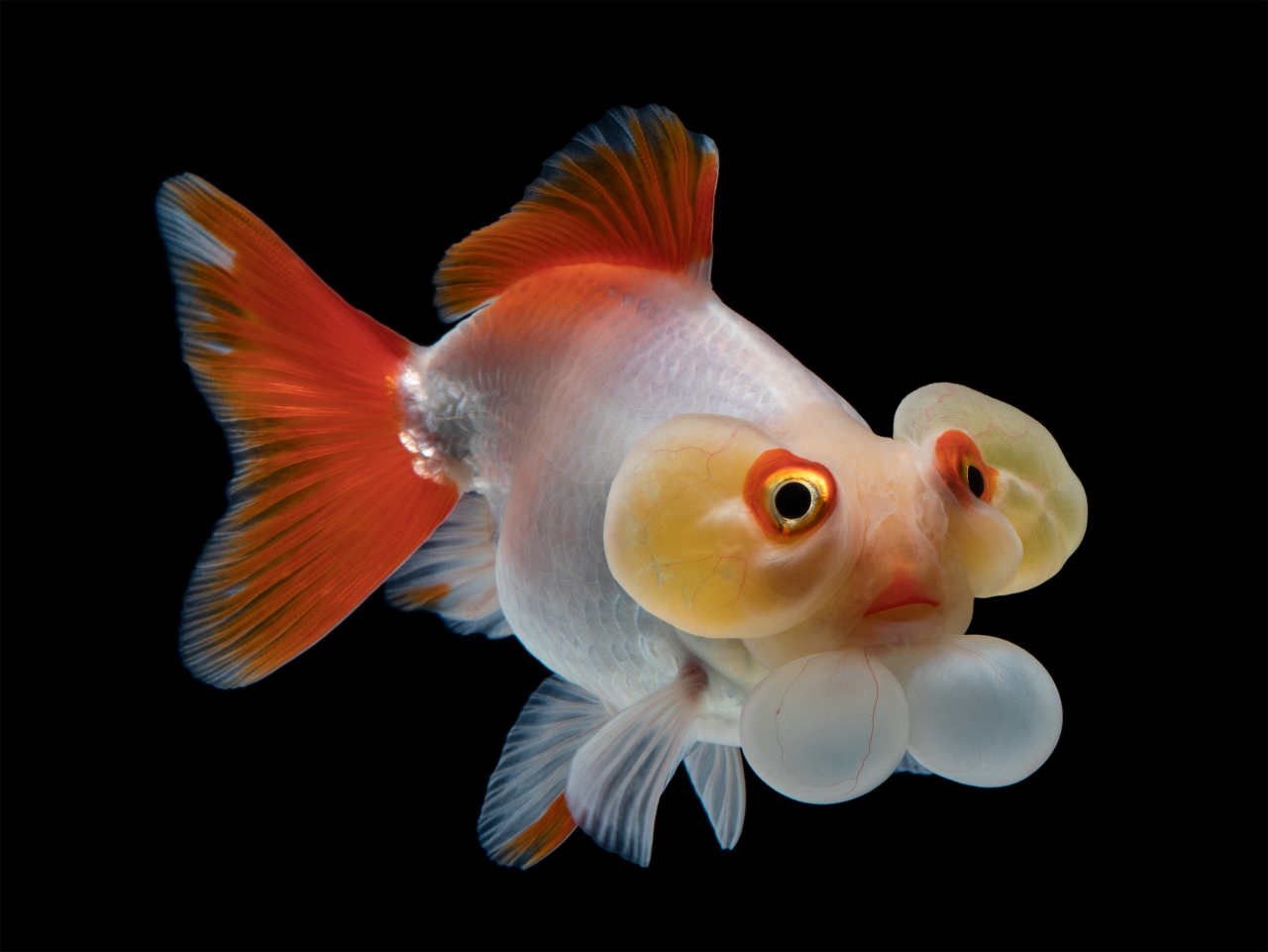
Any goldfish that fails to meet the classification criteria of the preceding 16 divisions may register for this open category.
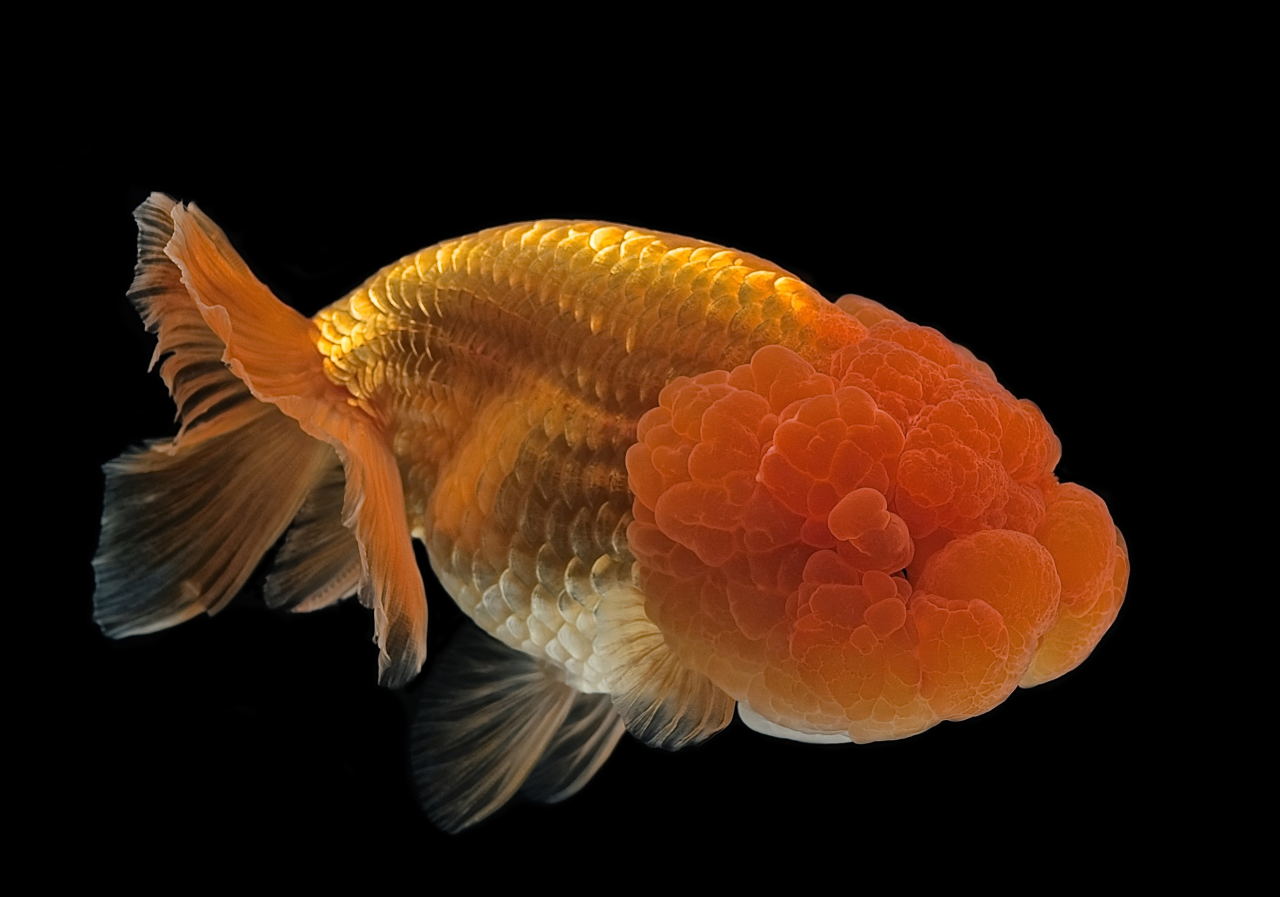
In recent years, breeders of Maoshi (Cat Lionhead) have shifted their breeding standards to match modern ornamental preferences. To achieve smoother swimming posture, richer color variations and a more appealing side profile, they have moved away from traditional breeding traits: extremely overdeveloped gill growths, head fluff exceeding one-third of total body length when viewed from above, and inverted figure-eight shaped head growths. Modern Maoshi now feature moderately developed Lionhead-style head growths with prominent raised top growths. While this represents an innovative breeding direction for Maoshi, it has blurred the dividing line between Maoshi and standard Tiger Head varieties.
Judges of the 2025 CIPS Global Goldfish Championship raised concerns regarding the separate Maoshi division. Following full discussions between the event organizer and the entire judging panel, the Maoshi dedicated division has been eliminated for the 2026 CIPS Global Goldfish Championship. All Maoshi specimens will now compete within the Tiger Head Division.
Competition Awards
1. Online Preliminary Round Awards
Overall People’s Choice Award: This award is determined by public online voting during the preliminary stage. The goldfish entry receiving the highest number of public votes wins the Overall People’s Choice Award, and will be presented with a trophy, certificate and sponsor-provided gifts by the event organizer.
Judges’ Grand Prize: Judges will select one top entry from each participating country to receive the Judges’ Grand Prize, accompanied by a trophy and official certificate.
All participants will receive an official competition entry certificate.
2. On-site Final Awards
Total prize pool for the on-site final: RMB 28,000
Overall Champion: RMB 5,000
Overall Second Place: RMB 3,000
Overall Third Place: RMB 2,000
There are 68 awards in total, covering Champion, Second Place, Third Place and Honorable Mention across all 17 divisions. The organizer will issue official trophies and winning certificates to all divisional award recipients. The overall top three winners are selected by the judging panel from all 17 divisional champions, who will also be awarded exclusive official trophies and certificates.
Divisional Champion: RMB 500
Divisional Second Place: RMB 300
Divisional Third Place: RMB 100
Divisional Honorable Mention: RMB 100
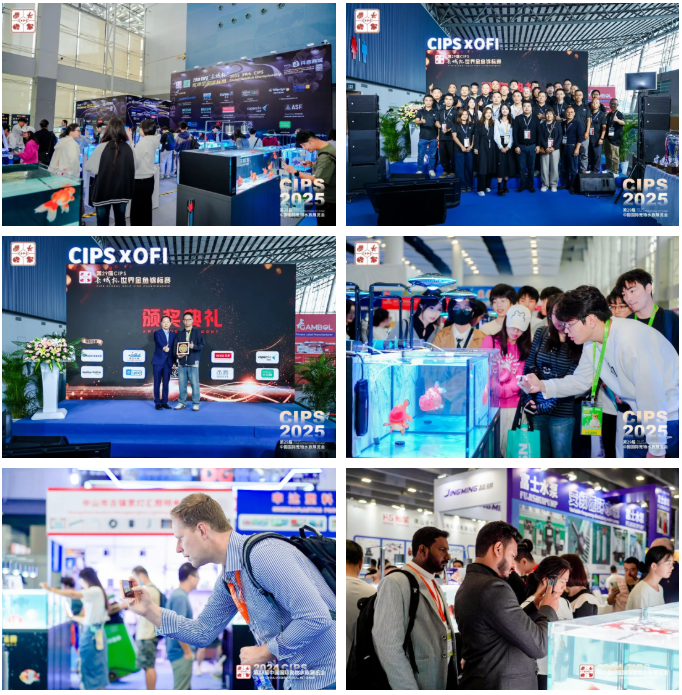
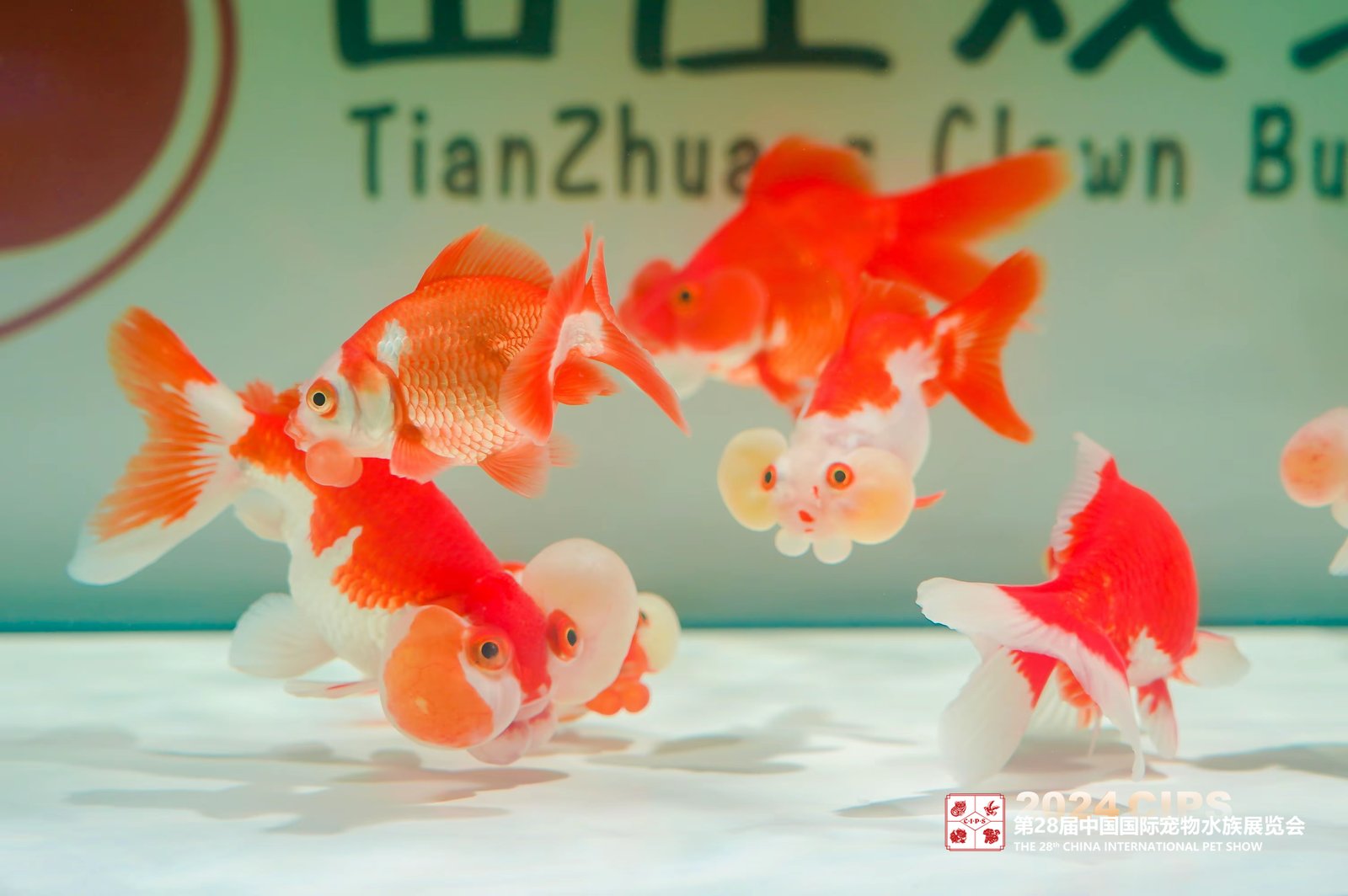
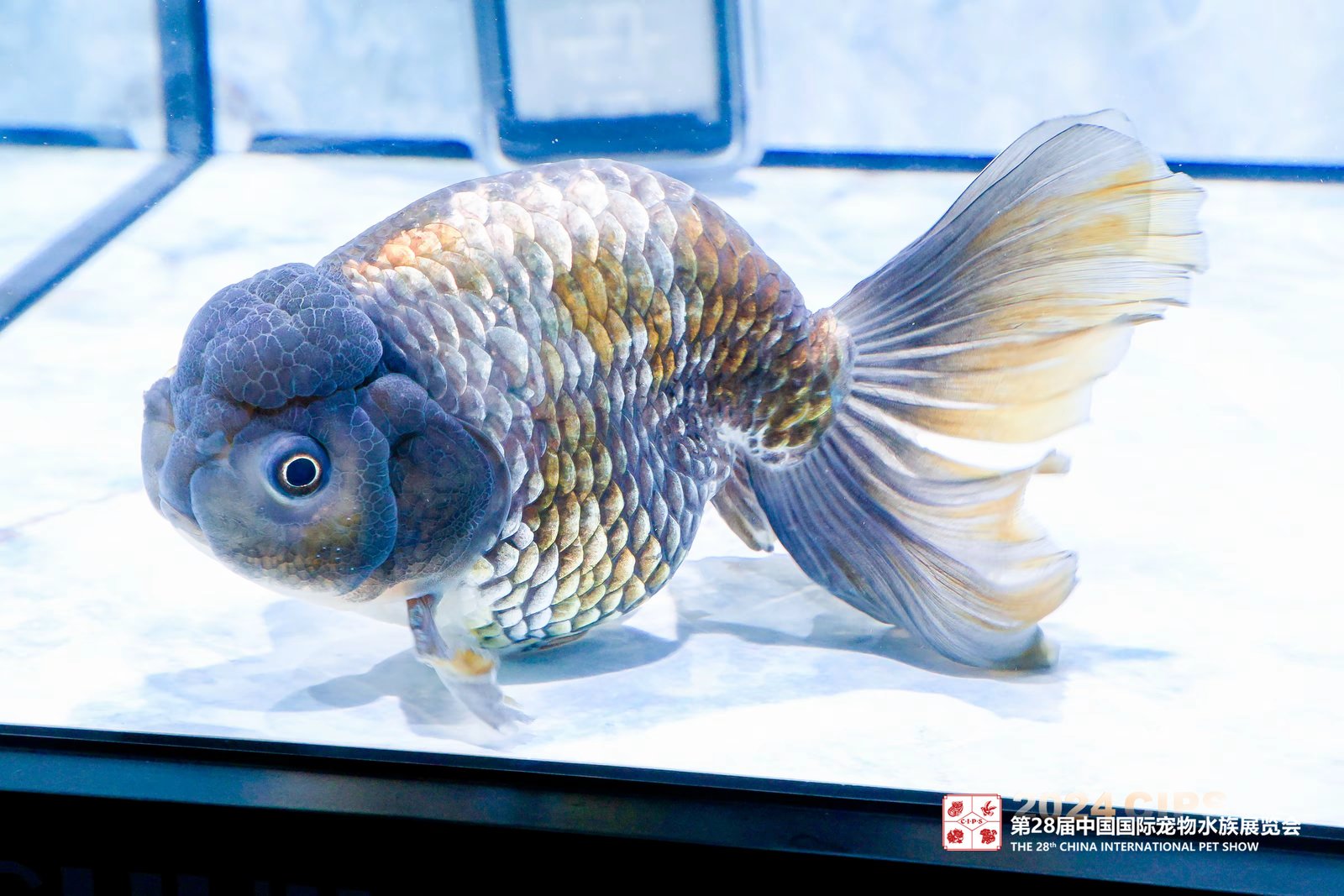
Highlights from the Previous Edition
Competition Registration Contacts
He Wei: +86 13901864986 (WeChat available via the same number)
Overseas participants please submit inquiries via email: 64839739@qq.com
Imagine your goldfish gliding gracefully with vivid flowing tails in crystal-clear tanks, stunning every audience on site!
Don’t hesitate to take part.
All goldfish enthusiasts, seize the registration chance and showcase the stunning beauty of your beloved fish!
Copyright © 2008-2026 | China Great Wall International Exhibition Co., Ltd.