 China International Pet Show
Exclusive Interview with the CIPS Champion | A Tiny Reef Tank, My Spiritual Sanctuary
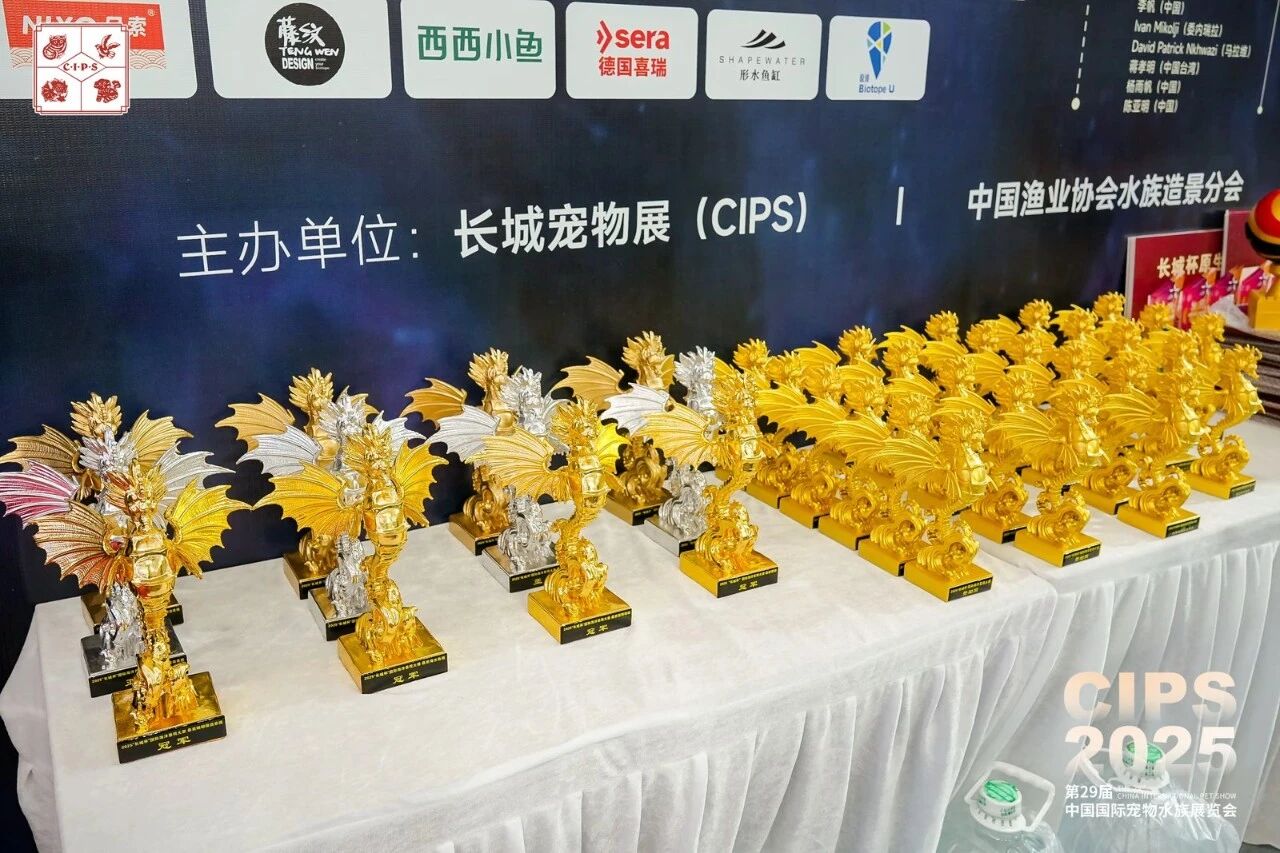
The CIPS INTERNATIONAL MARINE AQUASCAPING CONTEST (CMAC) was co-founded in 2016 by the Marine Ornamental Organism Branch of China Fisheries Association and CIPS, and officially launched its first competition in 2017. The organizers are committed to bringing together aquascaping and marine landscape enthusiasts, sparking their interest and awakening their passion for the hobby. Through the competition, every participant is encouraged to continuously innovate and surpass themselves, while also broadening the public's understanding of marine aquascaping and popularizing relevant knowledge.
At CMAC 2025, after a series of intense, highly creative competitions, Huang Chuanhan, an outstanding contestant from Taiwan, China, won the championship with his work Paradise Island. His victory was attributed to his exceptional aquascaping talent and profound understanding of underwater ecological art, which were fully demonstrated in his outstanding performance throughout the contest. After the competition, Huang Chuanhan shared his creative insights and acceptance speech from the contest. Below, let us explore the source of inspiration of this Chinese contestant, as well as his passion and pursuit of the art of marine aquascaping.
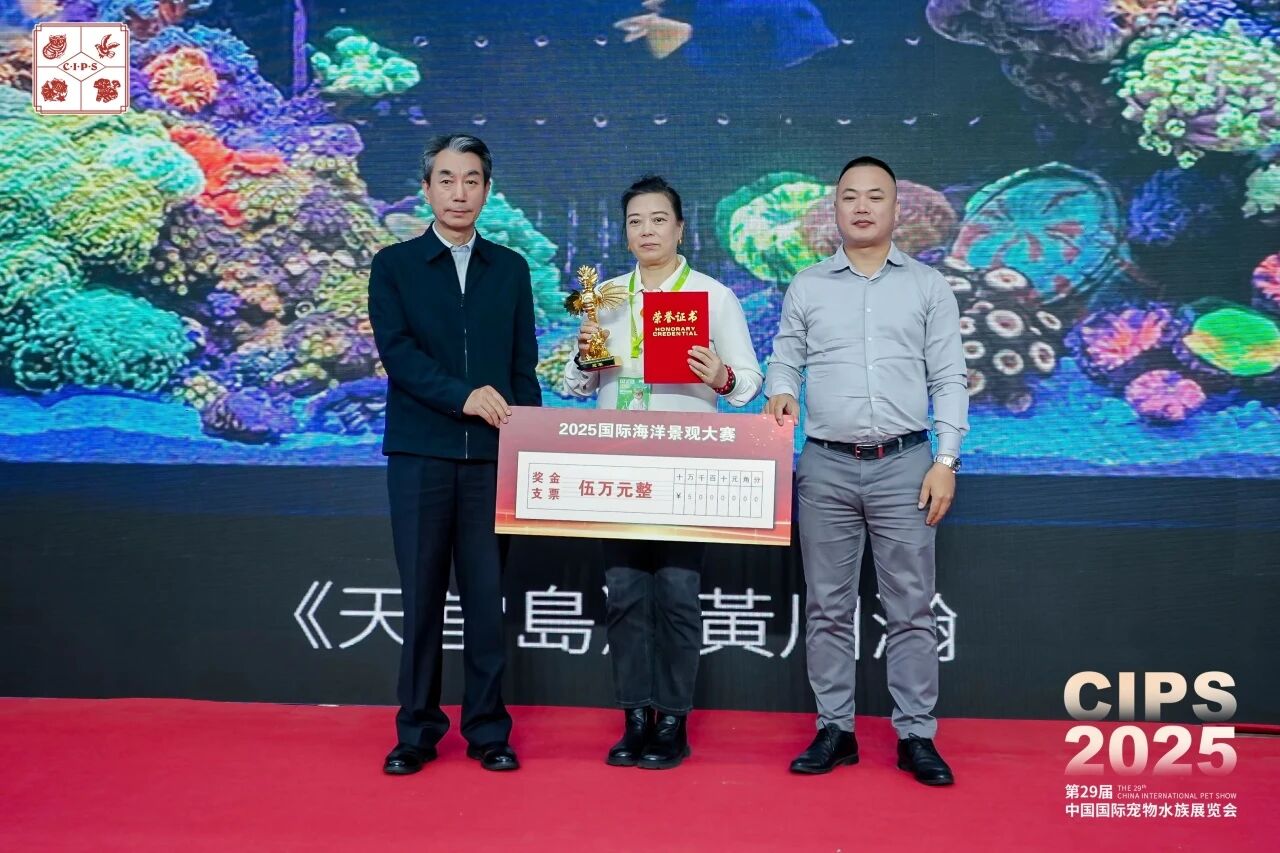
Full Review of the CMAC 2025 Award Ceremony:
Exclusive Interview with the Champion of the CIPS INTERNATIONAL MARINE AQUASCAPING CONTEST
Q: Please give a brief self-introduction.
A: I'm very glad to have this opportunity to share my story with you all. I'm Huang Chuanhan from Taiwan, China. I first got into reef tanks in 2021, so it's been about five years up to now.
Like many people, I was deeply captivated by the symbiotic scene between clownfish and sea anemones after watching Finding Nemo. That pure sense of wonder, along with the constant encouragement from my neighbor uncle, made me start this journey with the marine world with a simple "let's give it a try" mindset. I never imagined that this simple initial intention would keep me going for so many years.
Q: How did you get into the art of marine aquascaping? Is there any special story behind it?
A: When I first started with reef tanks, I knew almost nothing. My first tank was a 2-foot tank, and I mostly asked the aquarium store to help with everything from equipment selection to aquascaping planning. It was during this process that I slowly learned how to keep corals, understood the habits and interactions of different species, and gradually realized the importance of environmental parameters for the stability of the tank system.
Half a year later, I upgraded to a 4-foot tank. With more space, my ideas for aquascaping gradually became clearer. During that time, I fell in love with the Minimalist Reef style – clean, impactful, and with room to breathe.
By chance, I saw the scenery of "Paradise Island" in Vietnam on a travel website, and was instantly struck by its natural, layered and staggered layout. I drew a design sketch based on the impression in my mind, and then asked an aquascaper to help bring my idea to life. I've always believed that the proportion of the rockscape must be coordinated with the tank itself, so that when corals are placed later, the overall look won't feel crowded or oppressive.
In the reef-keeping community, many hobbyists have relatively conservative ideas about aquascaping, mostly leaving it to the store to "fill up" the tank as much as possible under limited conditions. There's no right or wrong to this approach, but in my opinion, leaving appropriate blank space, paired with suitable corals, will be more visually pleasing and much easier for subsequent maintenance.
Q: How did you learn about and decide to participate in CIPS? What initially attracted you to it?
A: I saw the registration information for the CIPS INTERNATIONAL MARINE AQUASCAPING CONTEST on a friend's social media post, and I submitted my work just to give it a try. To be honest, the reason that attracted me to enter the competition is quite straightforward – the prize money offered by CIPS was very tempting.
Image
Q: What is the source of inspiration for your award-winning work this time?
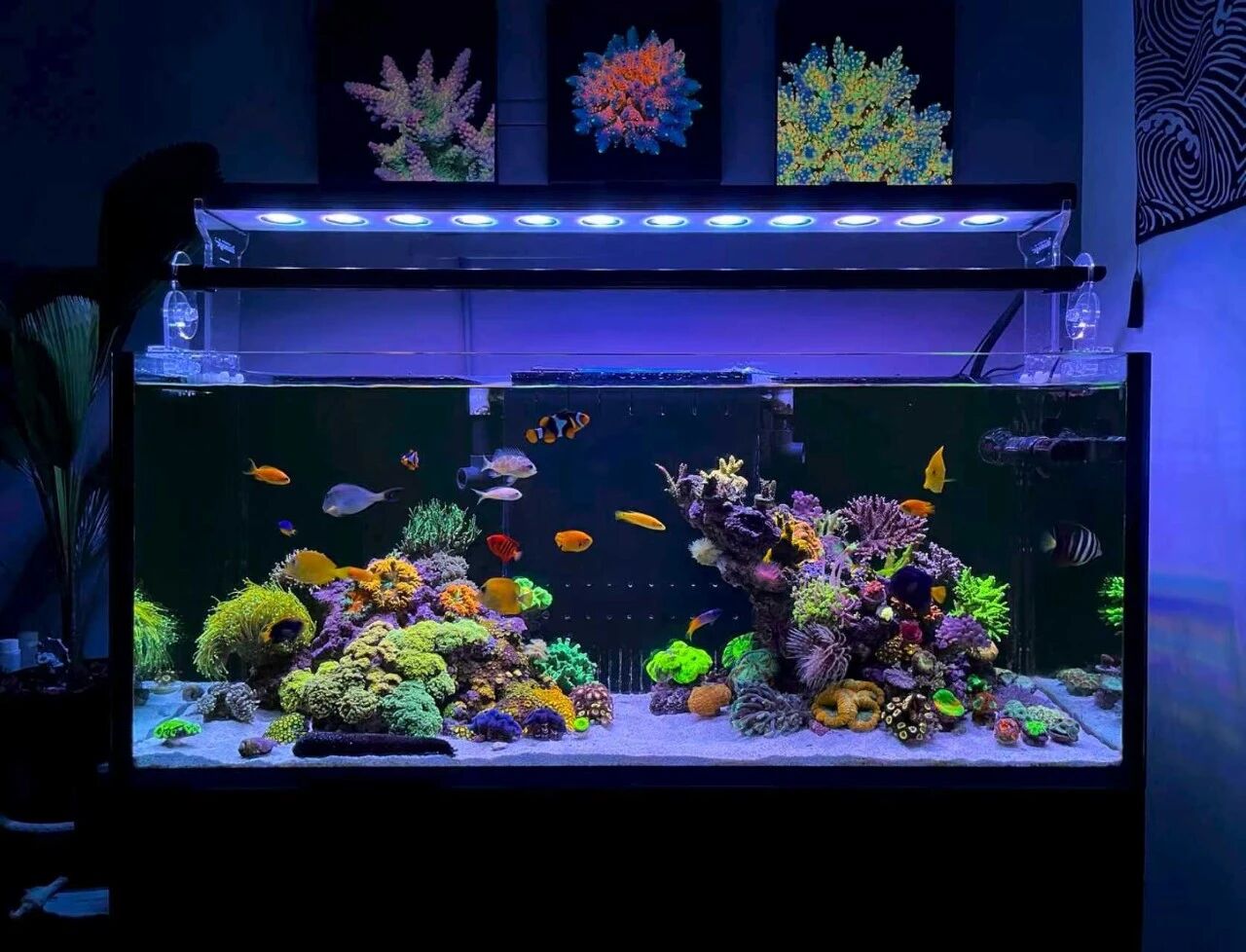
A: The inspiration comes from the scenery of Vietnam's "Paradise Island" that I came across by chance many years ago. The staggered reefs and layers of light and shadow in that sea area are deeply engraved in my mind. So when I upgraded to the 4-foot tank, I sketched the image in my heart into a design draft, and then asked an aquascaper to help turn the concept into reality. The work was finally named Paradise Island, as a tribute to that deeply rooted visual impression.
Image
Q: What was the biggest challenge you encountered during the creative process of turning your inspiration into reality? How did you overcome it?
A: Although the overall aquascape looks relatively simple, I spent a long time making repeated adjustments during the coral placement stage. At first, I always felt something was off, so I would move all the corals out and rearrange them, trying different combinations and positions over and over again. Every time I changed the angle, I had to re-evaluate whether the corals would compete with each other, whether the lighting and water flow were suitable, and how each coral would perform in different positions. After countless revisions and overhauls, I gradually worked out the relatively ideal version you see now. Looking back, all that time spent tweaking and adjusting was actually a necessary learning process.
Q: Is there any particularly memorable moment or detail you would like to share with us from the entire creation and competition process?
A: Looking back on the days when I first entered the reef-keeping community, I was actually quite immature in my mindset. Back then, I would unconsciously chase after high-priced, rare coral species – whether it was the high-priced "golden rice coral" or "Australian doughnut coral", as long as I thought it was good, I wanted to add it to my tank. But because I didn't have enough experience, I often failed to keep the corals alive, with constant losses, and I was really frustrated during that time.
Then one day, I sat down and asked myself: Why did I get into reef keeping in the first place? Wasn't it just to sit in front of the tank I arranged after work, zone out, and forget all the tiredness of the day? What I wanted was actually that simple.
From that day on, I stopped obsessing over species and prices, and made up my mind to only keep corals that are relatively easy to care for. As long as they are placed in the right position, they can still show a charming state. Every coral has its own beauty, and its value should not be defined by its price – this is also the insight I always share with fellow hobbyists around me now: never forget your original intention.
After achieving this result in the CIPS INTERNATIONAL MARINE AQUASCAPING CONTEST, many hobbyists came to ask me what equipment I used and what keeping tips I have. In fact, just like everyone else, I don't have any complicated system. There's only a protein skimmer and simple dosing equipment in the sump. After the tank stabilized, I do a fixed 10% water change every week, and wipe the glass every two or three days, that's all. At the end of the day, a long-lasting tank doesn't rely on high-end equipment, but on daily care and attention.
Q: In your opinion, what are the core photography techniques to showcase the unique charm of an aquascaping work?
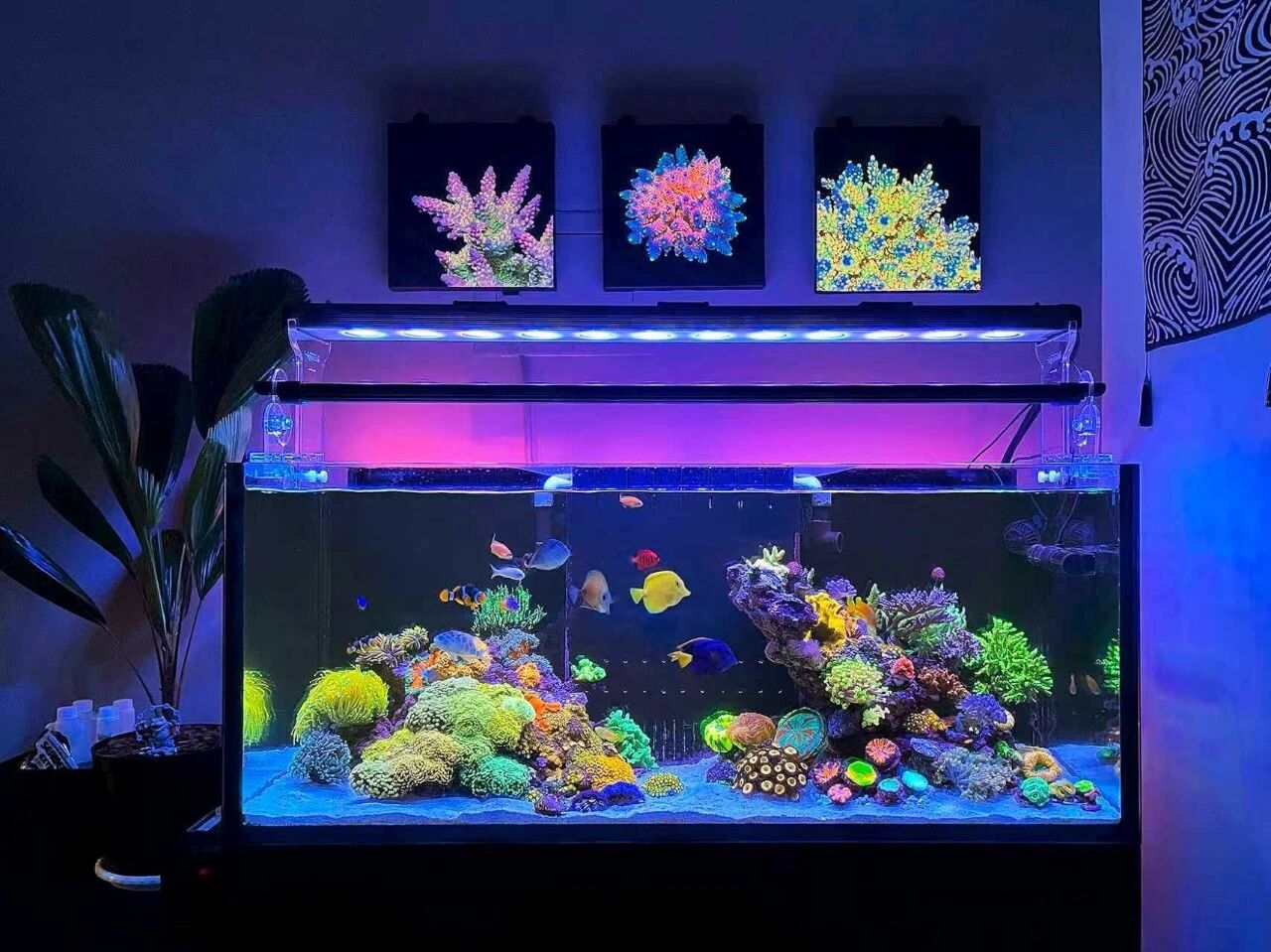
A: When it comes to photography, I actually don't dare to say I have any special techniques in this regard. Over the years, I've gradually found that as long as the corals are in good condition, if you capture the moment when light penetrates the water and the colors naturally emerge, you can record the most beautiful look of the tank with just a casual shot.
Image
At the end of the day, there's no secret at all – treat your tank with care, and it will naturally show its unique charm.
Q: Do you have any advice for new hobbyists who are eager to achieve good results in CIPS?
A: Lastly, I want to say: many people see my tank and ask curiously: why isn't it a common SPS tank? Indeed, as you can see, my tank is mainly LPS-dominated, which is different from the previous competition tanks that mainly feature SPS corals.
But I always believe that the CIPS competition is ultimately about aquascaping, not what species of corals you keep. As long as you take good care of your tank, and put your understanding and persistence for aquascaping into it, no matter what you keep, you have the opportunity to stand on this stage. So, go for it! Sign up for the competition bravely, your tank deserves to be seen too.
Q: What does this award mean to you? What impact will it have on your aquascaping career?
A: This trophy is an important affirmation of my persistence over the past few years. At the same time, I hope my experience can be a small seed to encourage more people to bravely step into this blue world.
Q: Do you have any new creative plans or exploration directions in the field of aquascaping art in the future?
A: I don't have any new plans for now. After finishing this aquascape, I only have one thought in my mind – to take good care of it, keep it going like this, and let it accompany me for a very, very long time.
Q: How many editions of CIPS have you participated in so far? What growth and changes have you witnessed in it?
A: I have participated in two editions. Although I couldn't be there in person, I can feel that the competition is getting more mature year by year.
Q: In your opinion, what are the unique charm and highlights of CIPS that distinguish it from other international competitions?
A: From the rich award settings to the thoughtful arrangements for participating hobbyists, you can feel that the organizers have put a lot of thought into every detail. This dedication has also made the entire competition not only a high-level competition, but also a warm exchange.
Q: If you had the chance to say a few words to the organizers of the competition, what would you say?
A: I sincerely thank the organizers. It is your dedicated efforts that have added a warm and solid strength to the entire reef-keeping community. I believe that with you here, this community will definitely get better and better.
Copyright © 2008-2026 | China Great Wall International Exhibition Co., Ltd.