 China International Pet Show
Exclusive Interview with the Champion of the 2025 CIPS International Aquascaping Contest (CIAC) & Judges' Comments
China International Aquascaping Contest (CIAC) co-founded in 2016 by the Aquascaping Branch of China Fisheries Association and China International Pet Show (CIPS), the CIPS International Aquascaping Contest (CIAC) officially kicked off in 2017. The organizers are committed to uniting aquascaping enthusiasts, inspiring their interest and awakening their passion. Through the contest, every participant is encouraged to continuously innovate and surpass themselves; meanwhile, it helps the public broaden their horizons on aquascapes and popularize relevant knowledge.
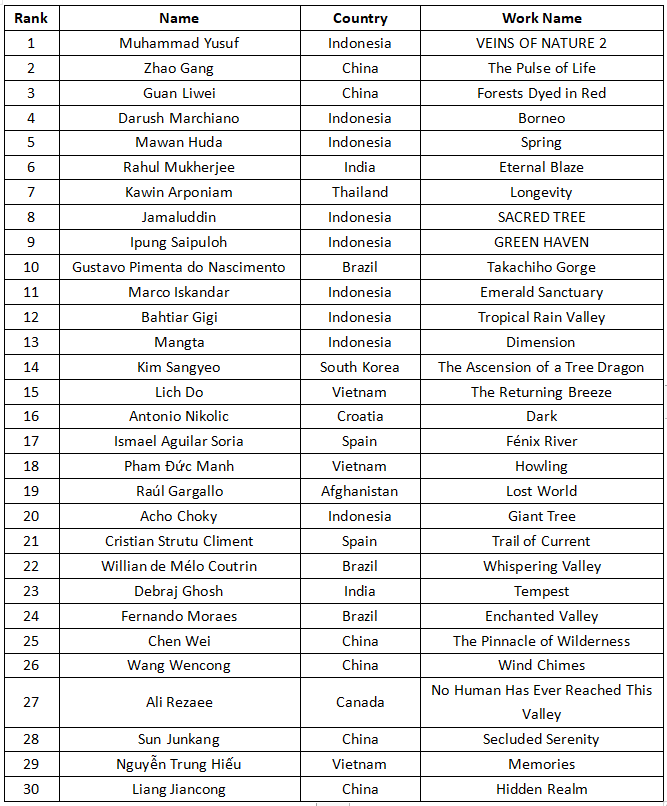
Top 30 Winners of the 2025 CIPS International Aquascaping Contest
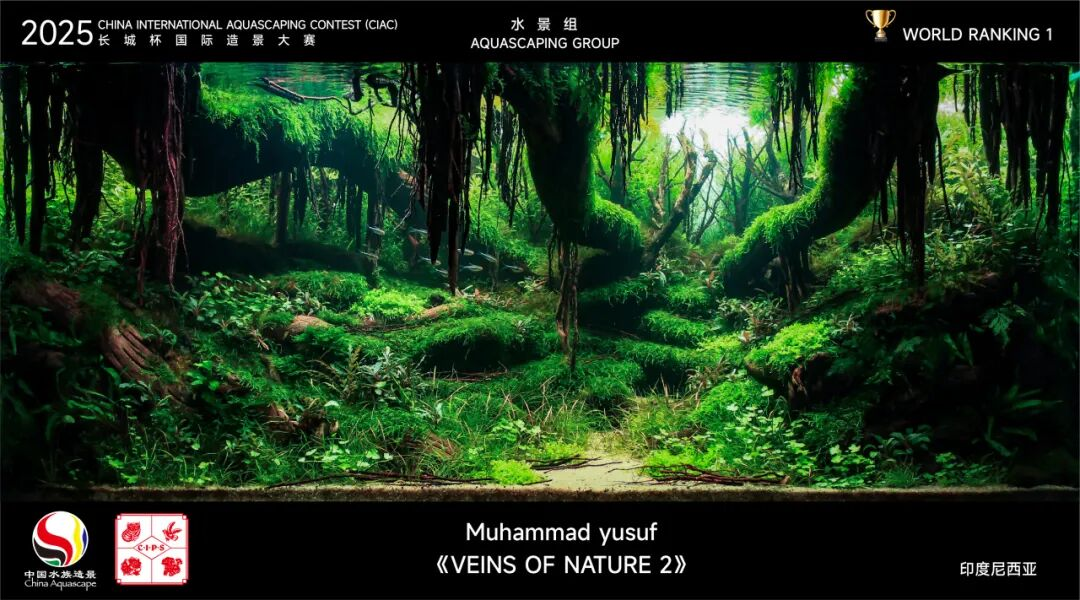
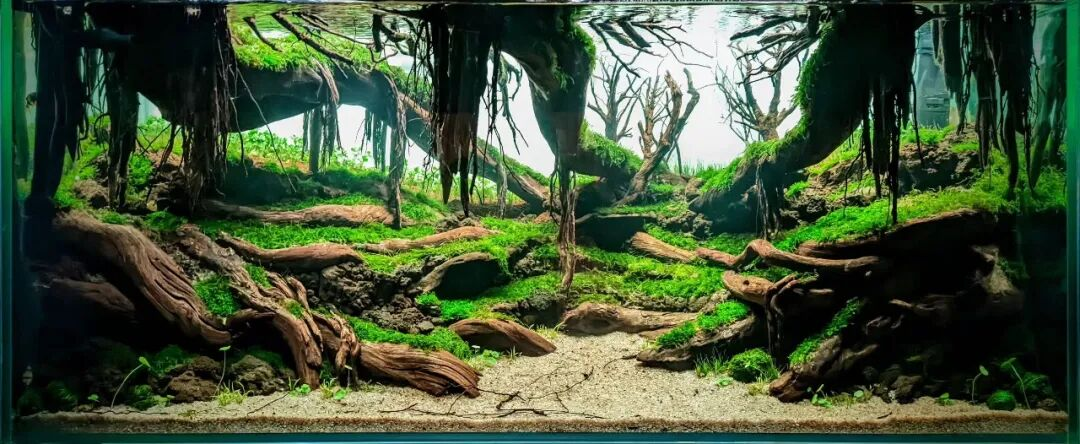
After a series of intense and creative competitions at the 2025 CIPS International Aquascaping Contest (CIAC), the outstanding Indonesian contestant Muhammad Yusuf, with his extraordinary design talent and profound insights into aquascaping art, won the championship with his work VEINS OF NATURE 2. After the contest, Muhammad Yusuf, filled with joy and emotion, happily accepted an exclusive interview with the organizers. He shared his mental journey and valuable experiences of winning the award in this contest. Let us jointly delve into the extraordinary journey, creative inspiration, and unremitting pursuit of aquascaping art of this champion.

Image Caption: Left: Xing Dayu, Chairman of the Aquascaping Branch of China Fisheries Association;
Middle: Champion Muhammad Yusuf;
Right: Cheng Xiang, General Manager of China Great Wall International Exhibition Co., Ltd.
Exclusive Interview with the Champion of the CIPS International Aquascaping Contest (CIAC)
Q: Could you please make a brief self-introduction?
A: My name is Muhammad Yusuf, and I am 36 years old. My fate with aquatic plant aquascaping began in 2019. At that time, I spent a lot of time at home, so I often browsed Facebook and Instagram, where I admired many amazing aquascaping works. That initial curiosity gradually turned into a strong interest, and since then, aquatic plant aquascaping has truly integrated into my life and become an indispensable part of it.
Q: Where did the inspiration for your award-winning work come from?
A: My creative inspiration comes from the natural beauty of the Petungkriono Tropical Rainforest in Central Java Province. It is quiet, wild, and full of rich details. I hope to recreate the feeling of stepping into the depths of the forest in this aquarium, and fully bring the tranquility and natural atmosphere of Petungkriono into this small underwater world.
Q: Were there any particularly memorable events or challenges during the creation of this work?
A: What impressed me the most is the entire production process of the work. I spent nearly a month building the framework of the hardscape bit by bit, adjusting every detail repeatedly to present the most natural state. In the days after that, I took good care of it every day—trimming aquatic plants, observing their growth, and making subtle adjustments. Although this process was hard, it was also full of continuous satisfaction, because I witnessed this work becoming vivid and complete day by day.
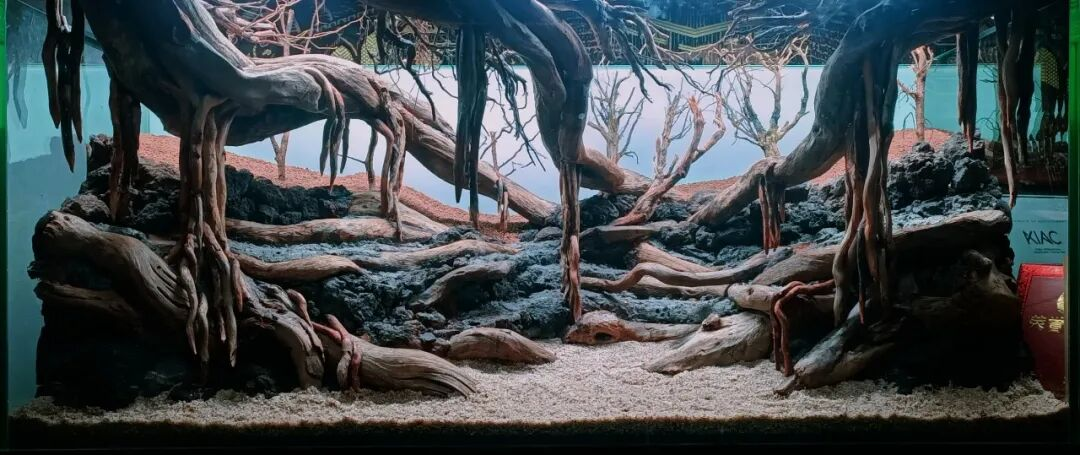
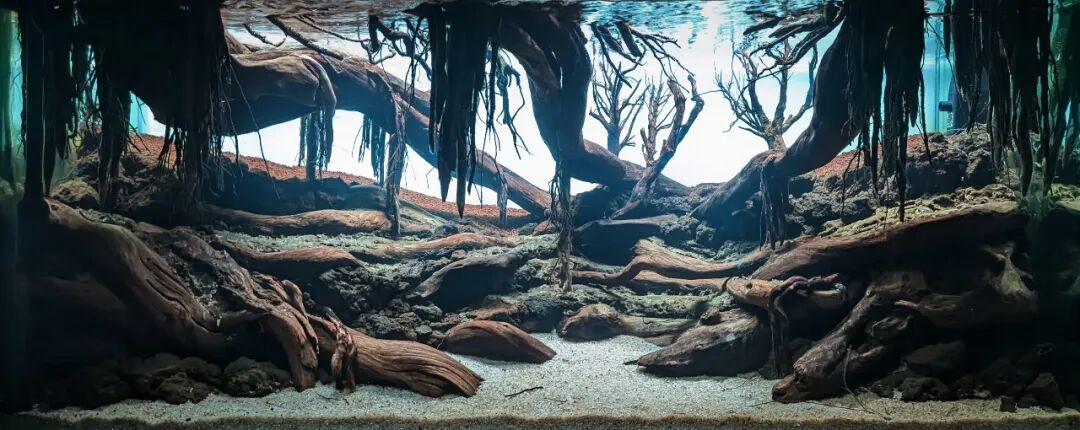
Q: Regarding your work, what should be noted in daily maintenance? In addition, could you share some photography skills on how to better capture and show the unique charm of the work?
A: Daily maintenance mainly includes fertilization, regular water quality testing, and maintaining a stable water temperature. However, the biggest challenge came from the shooting process—I spent three full days adjusting the light and shadow repeatedly, and pressed the shutter about 750 times before finally capturing a few photos that can truly show the charm of the work. This experience made me deeply feel that shooting aquatic landscape is an independent art that requires patience and aesthetic taste.
Q: Congratulations on winning the championship. Could you share your acceptance speech?
A: I sincerely thank the organizers of the 29th China International Pet Show (CIPS 2025) and the judges of the CIPS International Aquascaping Contest (CIAC). It is already a great honor for me to display my work on this international professional stage. When I learned that my creation was recognized in such a large-scale event, I was so excited and grateful that I could not fully express it in words.
Q: What new plans or goals do you have for creation in the field of aquascaping art in the future?
A: In the future, I plan to continue to actively participate in various aquascaping contests, and constantly pursue the improvement and breakthrough of my works. I hope to maintain my current state, and I also look forward to surpassing myself at this moment and climbing to a higher artistic realm one day.
Q: How many sessions of the CIAC have you participated in so far? What do you think are the unique characteristics or highlights of the CIAC? In addition, if you have any words you want to say to the organizers, please feel free to share.
A: This is my third time participating in the CIAC. What keeps attracting me back is the consistent professional vision of the judges and the high standard maintained in the event organization. Every year I participate, I can gain new experiences and growth. Here, I also sincerely thank all the staff of the organizing committee and the organizers—your efforts have made all this so wonderful!
Judges' Perspectives on the Work's Charm and the Essence of the Contest
In the 2025 CIPS International Aquascaping Contest, judges Zou Weixin (Hong Kong, China), Takada Takayoshi (Japan), Yang Xiwei (Malaysia), and Cho Jae Sun (South Korea) conducted a comprehensive and detailed evaluation of the participating works based on strict review criteria, covering six dimensions: artistic image, composition and aquatic plant layout, technical strength, long-term maintenance potential, expression of natural sense, and fish matching and interpretation. Together, they revealed the artistic charm and professional value behind the works.
Judge Zou Weixin's Comment:
Just like its name VEINS OF NATURE 2, this work cleverly arranges three pieces of driftwood from the back to the front, forming a strong sense of perspective and visual tension, just like veins running through the entire aquascape, full of positive interpretation of natural vitality. The selection and configuration of aquatic plants are just right—neither overcrowded nor monotonous. The foreground aquatic plants are rich and orderly, showing wild beauty. The contrast between light and shadow is also well grasped. Overall, it is an excellent work.
Judge Takada Takayoshi's Comment:
What is most striking about this work is the slender driftwood hanging down from the water surface—its arrangement is both eye-catching and ingenious. Through careful composition, the artist makes a main piece of driftwood naturally extend from the foreground to the background, subtly leading the viewer's sight to the distant visual end. This work shows unique creativity. It perfectly integrates hardscape with amazing aquatic plant aquascaping, presenting a natural rhythm and overall harmony that I have never seen before.
Judge Yang Xiwei's Comment:
This work almost gathers all the elements of a top-level work: whether it is the presentation of natural sense, artistic connotation, overall coordination, light and shadow processing, space utilization, or photography performance, it has reached a nearly perfect level, and can be called an outstanding work in this year's CIPS International Aquascaping Contest.
What is particularly commendable is the "dynamic" beauty created visually. Through the clever matching of three curved driftwoods in the foreground and vertical tree roots, it not only enriches the visual layers but also avoids the oppression caused by excessive impact, just like trees dancing in the forest with their own rhythm. This sense of dynamics that does not rely on the swimming of fish schools is particularly rare.
The efficient layout of aquatic plants has injected vigorous vitality into the work, making it highly ornamental. If we want to further improve from the details, the work currently lacks a clear visual focus—if the proportion of the driftwood in the middle can be appropriately enhanced, the overall impact can be taken to a higher level. In addition, there is room for optimization in fish matching—imagine a group of orange Amber Tetras swimming leisurely, which will definitely add more moving colors and vitality to the picture.
Judge Cho Jae Sun's Comment:
The overall composition is far beyond what can be summarized as "highly completed"—whether it is the artistic interpretation of natural scenery or the technical control required for underwater environment construction, it represents the top level that contemporary aquatic plant aquascaping can achieve.
The transition from the foreground to the mid-ground, and then to the deep forest-like background is extremely smooth, forming an attractive and natural visual path. The bold and winding structure of the driftwood is reminiscent of the roots of ancient rainforests; the angle and direction of each piece of wood are carefully arranged, subtly guiding the viewer's sight to shuttle through the scene. This structural treatment brings a strong sense of depth and visual tension, making people feel as if they have stepped into a real fragment of nature.
The planting arrangement is also admirable. Moss and various leaf-shaped plants are clearly layered, and a delicate balance is achieved between rough and soft textures. The expressive hanging roots under the driftwood set off against the dense surrounding aquatic plants, greatly enhancing the ecological authenticity of the aquascape. The light is finely adjusted—the balance of angle, intensity, and shadow—successfully recreating the atmosphere of sunlight penetrating the dense forest canopy.
Considering the standard maintenance, humidity control, and long-term management required for such aquascapes, this work has long surpassed a "strong first impression". It can stand prolonged gaze, and the more you look at it, the more new layers you can find. It is truly a high-end underwater landscape work.
All elements resonate harmoniously, clearly reflecting the artist's experience, skills, observation ability, and most importantly, the a great deal of time and effort invested in it.
Copyright © 2008-2026 | China Great Wall International Exhibition Co., Ltd.